Everyone thinks Central America is cheap, but there, one mistake can bankrupt you.
There is a huge risk: are you picking a place based on old advice? The region has changed: safe places are now dangerous, dangerous places are now safe—and still cheap!
Using data and the knowledge of hundreds of locals, I ranked 15 Central American and Caribbean nations from worst to best.
Here you will see (among others):
- A “Value King” where you can live on just $600 a month and,
- A country with a stable economy and brand-new, world-class hospitals.
The results change everything you think you know about safety and the cost of living. Fair warning—the country 90% of “Expat influencers“ still push as #1 is NOT the best.
The Criteria: Why Most Rankings Fail
Most rankings rely on vibes or tourism brochures to sell you a dream.
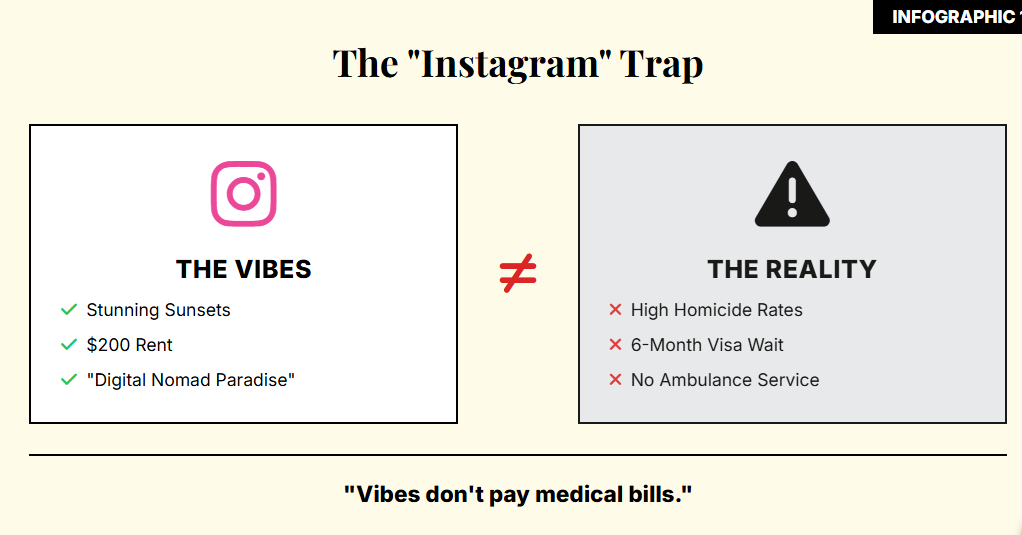
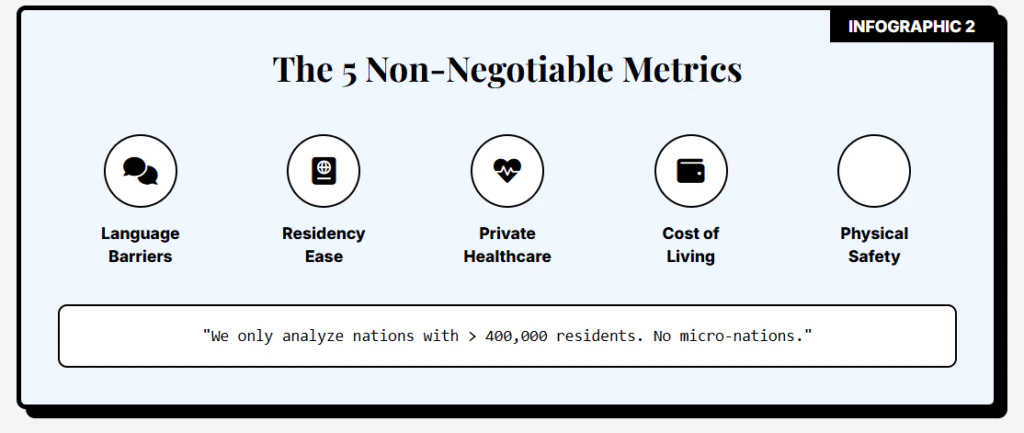
I took a different approach and analyzed 15 nations based on five non-negotiable data points: Language Barriers, Residency Ease, Private Healthcare Quality, Cost of Living, and Safety.
A country can score a perfect 10 on cost but a 0 on safety. If you move based on cheap rent alone, you might end up in a place where you cannot walk outside at night.
This ranking method exposes those “trap” countries that look good on Instagram but fail in real life. We grade “Residency Ease” on how clear the path is.
A 10 means expat-friendly programs like a “Pensionado” visa, while a 0 means no viable path exists. For Private Healthcare, we look for JCI-accredited hospitals.
A high score guarantees world-class facilities, while a low score means you require medical evacuation for even minor emergencies. The Cost of Living factor is simple: 10 is the cheapest, and 1 is the most expensive.
Finally, Safety relies on homicide rates. I considered only countries with more than 400,000 residents—no micro-nations.
I used an unweighted average to find the true balance, so the winners on this list are not just cheap; they are functional. In another article, I applied this same method to South America, ranking countries from Argentina to Venezuela.
Let’s start at the bottom with the two nations you must avoid.
15 – Haiti
At the absolute bottom of the list is a nation currently defining the concept of “unlivable.”
In this place, the systemic collapse forces foreigners to live inside fortified compounds. The safety score in Haiti is zero, as it is one of the most violent places on earth.
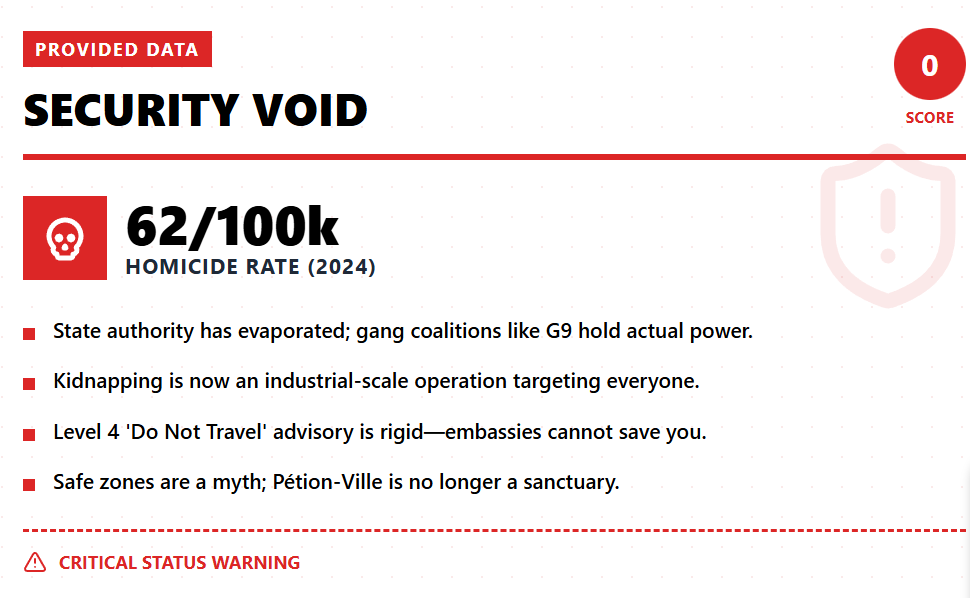
Violent gangs, like the G9 and the Savien, now dominate the streets. They control roads and use kidnapping for ransom as a primary business model.
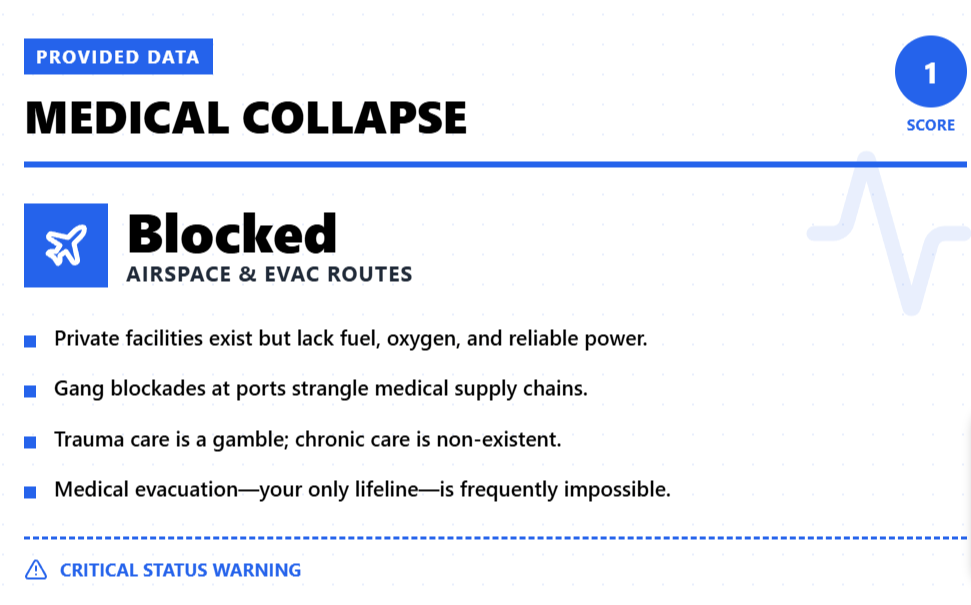
Even formerly secure areas like Pétion-Ville no longer offer a “safe zone” for foreigners. Healthcare infrastructure is non-existent for expat needs, scoring a dismal 1 out of 10.
Private facilities like Hôpital Bernard Mevs struggle to provide even adequate care. If you have a minor emergency, you require immediate medical evacuation. But gang control of roads and frequent airspace closures often make evacuation impossible.
Residency processes are just as broken.
Government offices frequently close due to violence, making record-keeping unreliable. You cannot obtain a visa when the public offices cannot even guarantee they will open their doors.
And the worst? Despite all these problems, Haiti is not even cheap!
The cost of living is higher than in safer Caribbean islands. Disrupted supply chains force you to import almost all consumable goods, and you pay “security premiums” on everything.
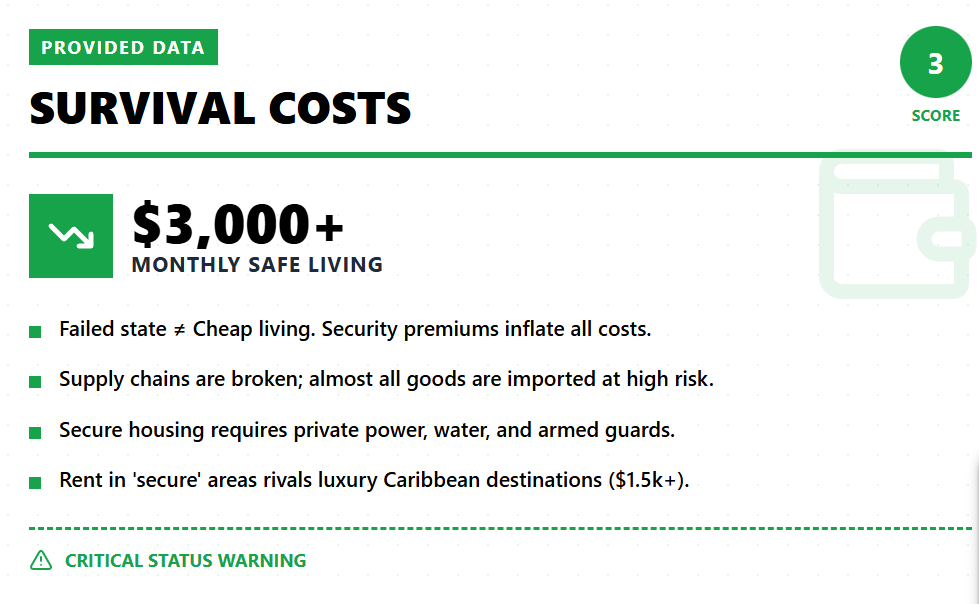
Secure housing requires independent utilities and private guards, pushing monthly costs well above $3,000. With catastrophic failures in safety, healthcare, and quality of life, Haiti receives a final score of 1.4 out of 10.
PS: My Expat Wealth & Lifestyle Compass (valued at $108) is yours FREE for a limited time! Receive our 74-page analysis of affordable cities in Spain, Italy, and France; our guide for Zero-Income Tax countries that can save you up to $15,600; and the checklist that prevents costly mistakes. Don’t let your chances go away-join us for free!
14 – Cuba
Cuba scores highly on basic safety compared to its neighbors, but that is where the benefits end.
The homicide rate is just 4.4 per 100,000, significantly lower than the regional average. However, theft and muggings surged in 2024 due to economic desperation.
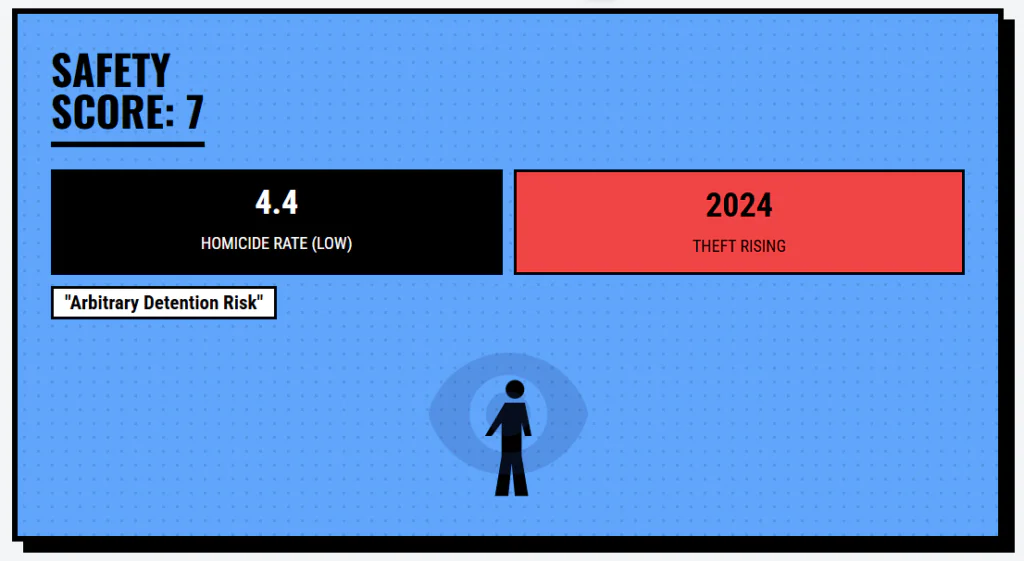
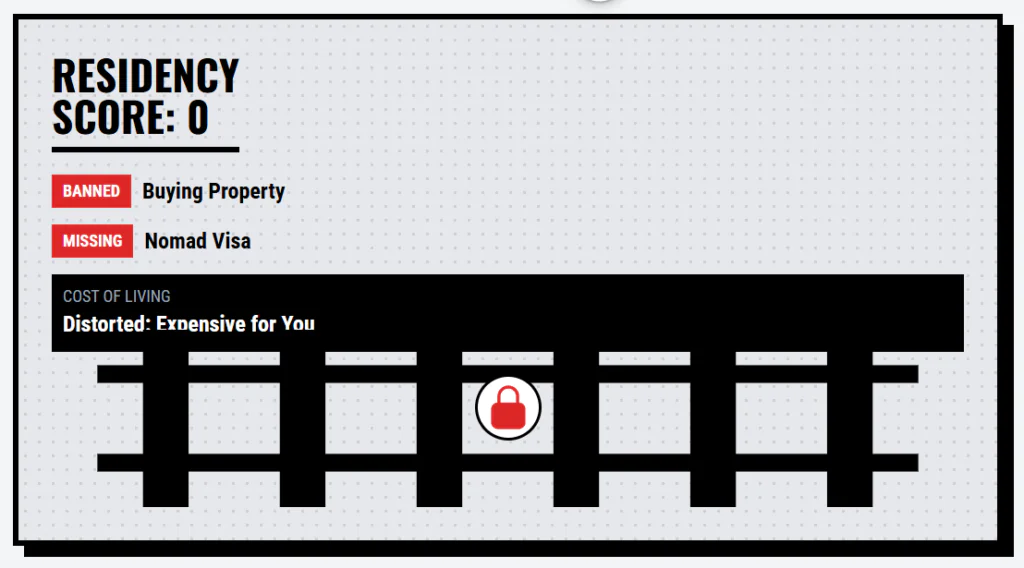
You also face state surveillance, and your opinions can put you in jail for multiple reasons. Bureaucracy will not help either, as there is nothing similar to a pensionado visa and the score is zero on residency ease.
Unless you marry a citizen or have a specific business contract, you have no path to stay. Budgeting is impossible when hyperinflation shifts prices daily.
Even with money, chronic shortages mean you often cannot buy fuel or food. This severely impacts healthcare, where the infrastructure is crumbling.
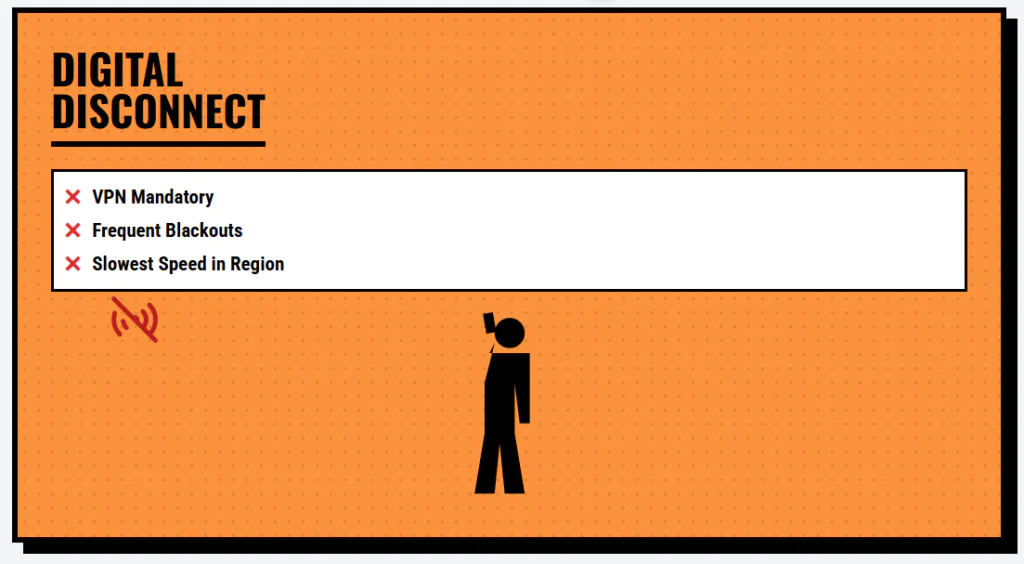
Hospitals lack basic medicines, sutures, and diagnostic equipment. Internet reliability is the worst in the entire continent; even Haiti has better internet than Cuba.
And there is an additional language barrier, as their version of Spanish is also among the most difficult. It is a destination for short-term tourism, not for building a stable life.
The low scores in residency, healthcare, and quality of life drag Cuba to a final score of 3.4 out of 10.
13 – Guyana
Guyana presents some confusing facts.
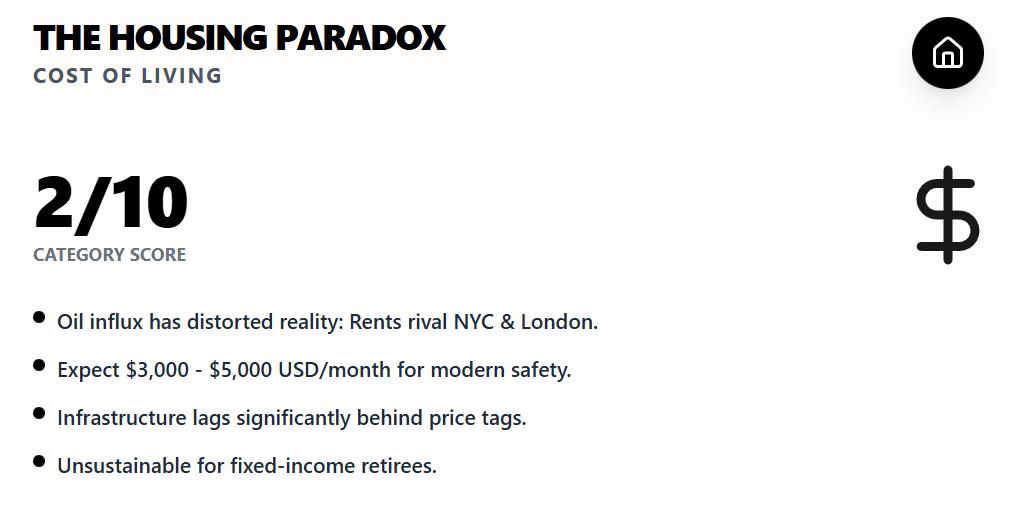
It currently holds the title of the world’s fastest-growing economy thanks to massive offshore oil discoveries. But this also creates some inflationary issues for those outside of the oil industry.
The influx of corporate money destroyed the Cost of Living score, dropping it to a dismal 2. You compete for the “good housing” against oil workers with high salaries.
A modern apartment in Georgetown might rent for more than $3,000 a month. Safety offers no relief, scoring a low 3.
The homicide rate is 16.28 per 100,000. Armed robbery is frequent enough that it is advisable to live in a gated compound.
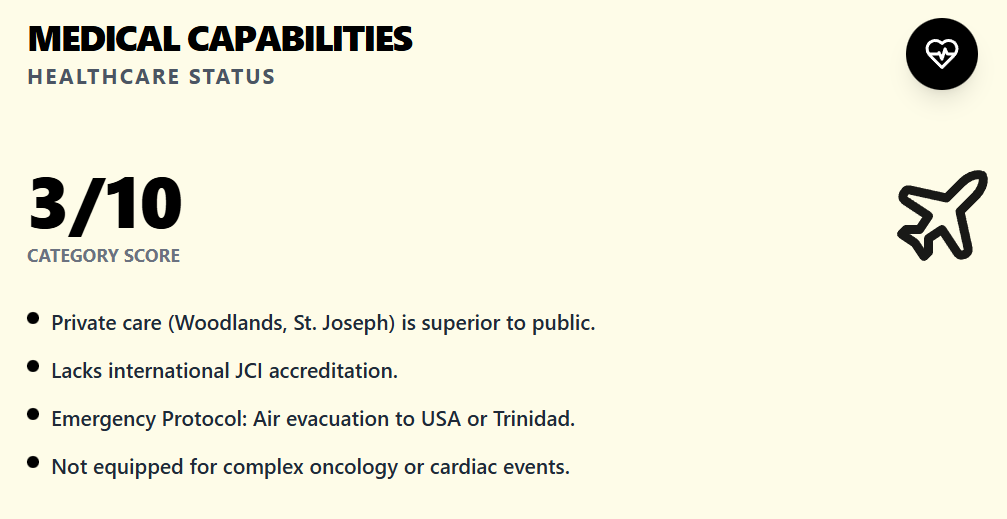
Healthcare also lags behind the economic boom, and outside Georgetown, the situation is much worse. In terms of bureaucracy for a visa, no specific retiree visa exists, so you rely on slow, generic permits.
The only bright spot is a perfect 10 for Language. As a former British colony, English is the official language.
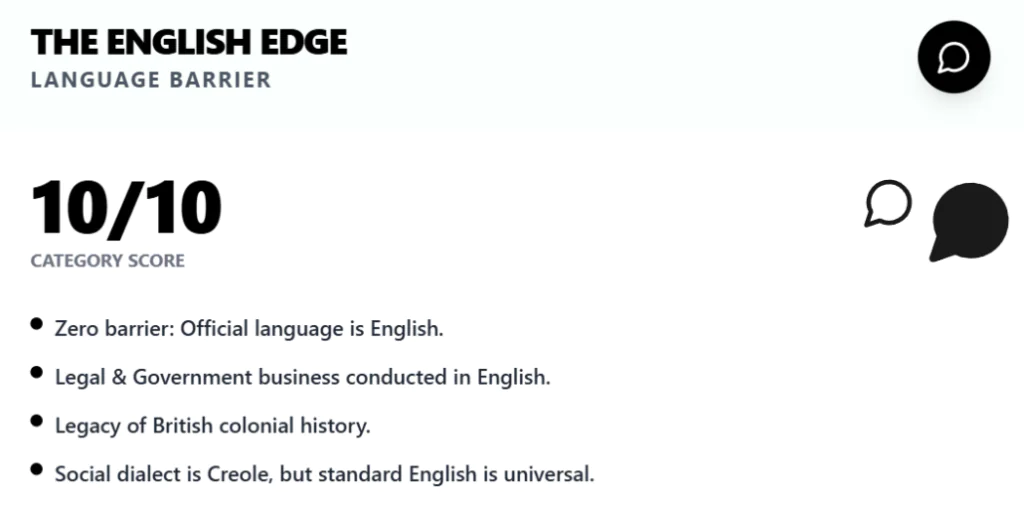
However, easy communication does not justify the price tag or the risk. Guyana ends with a composite score of 4.6 out of 10.
12 – Trinidad & Tobago
This dual-island nation offers one of the best private healthcare systems in the Caribbean, but you have to look closer at the full picture.
You get English as the primary language, which means zero communication barriers. You also find large hospitals with good quality, which even attract some medical tourism from other countries.

However, with a homicide rate of 45.7 per 100,000 in 2024, Trinidad and Tobago is statistically one of the most dangerous places on this list. Violent crime driven by gang warfare over drug turf has spilled out of traditional hotspots to affect broader areas.
Kidnappings and home invasions are real risks. You essentially pay a high premium just to live behind gated walls.
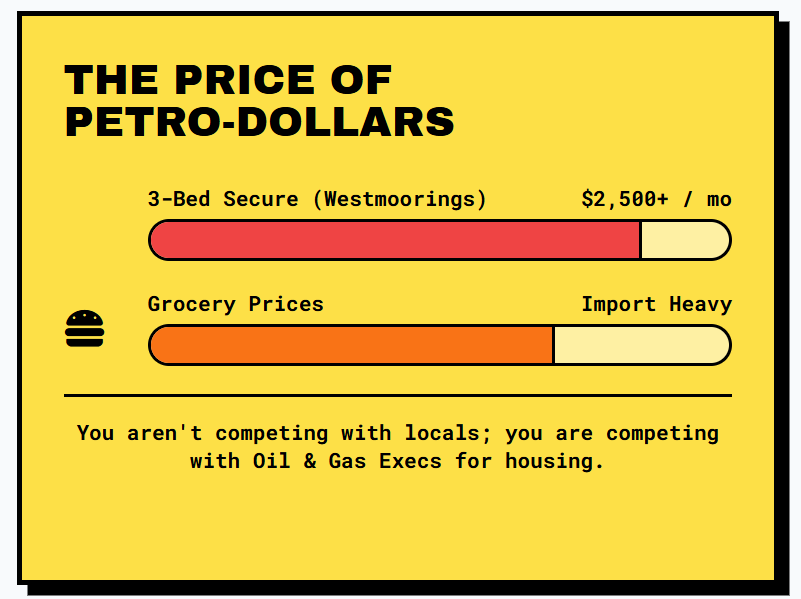
Like with Guyana, the oil industry also inflates the cost of living. Rents for a 3-bedroom home in an area like Westmoorings go for $2,500 a month.
Food prices are also high because the island relies on heavy imports. The bureaucracy to obtain residency is notoriously slow.
Applications languish for years without approval. You face a harsh truth: good doctors cannot make up for the high risk of needing them due to violence.
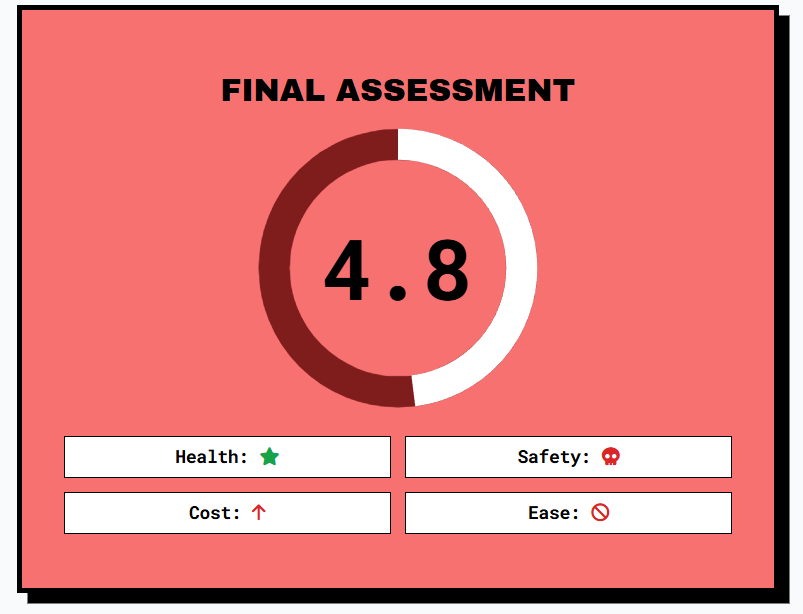
With high costs, high crime, and difficult paperwork, Trinidad and Tobago receives a final score of 4.8 out of 10.
11 – Suriname
Now we move to a country nearby that has an unusual language barrier.
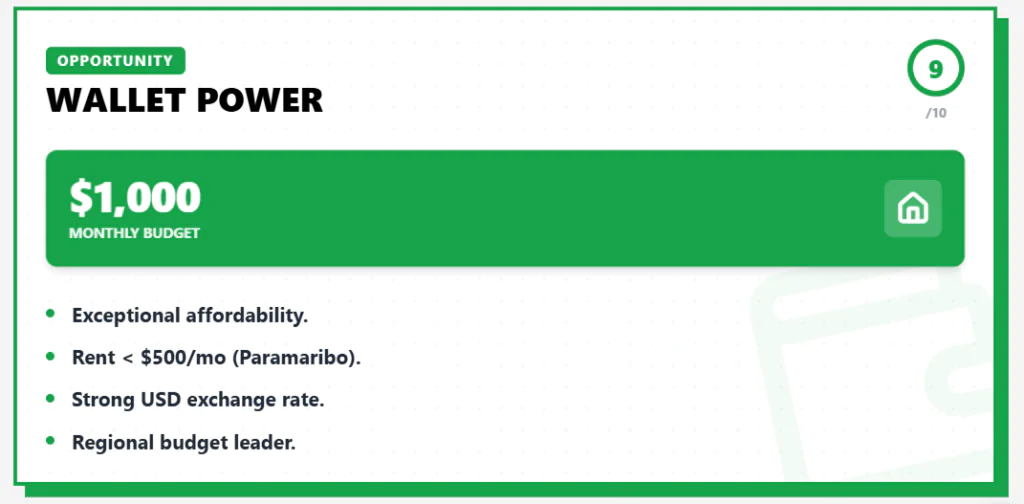
Suriname stands out because it gets a score of 9 for Cost of Living, making it one of the cheapest options available. You can live there on $1,000 USD a month.
But the barrier here is unique: Dutch is the official language. It is used for all government business, contracts, and schooling.
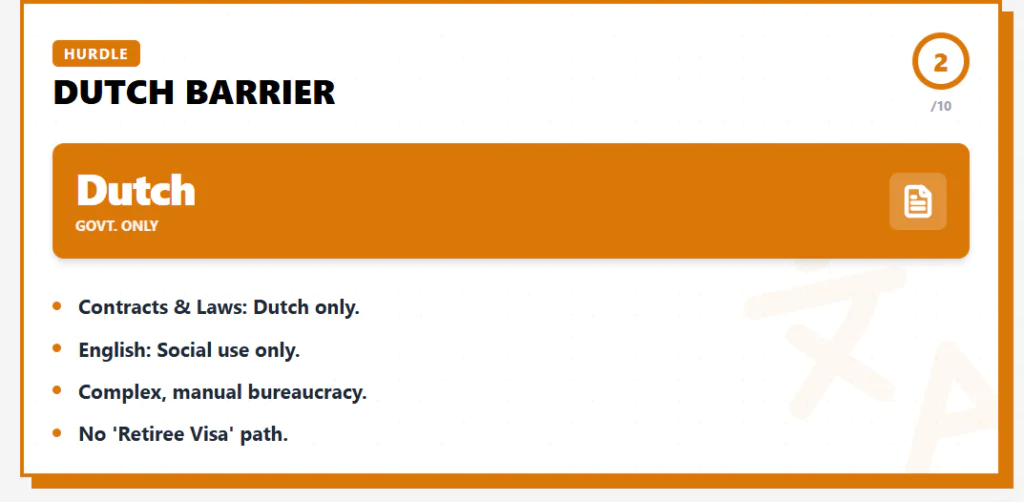
This earns the country a low score of 2 for Language Barriers. Part of the population speaks English, but still, you must navigate strict Dutch bureaucracy there.
Residency is possible for “Persons of Independent Means,” but the path is obscure. There is no streamlined “retiree visa” available.
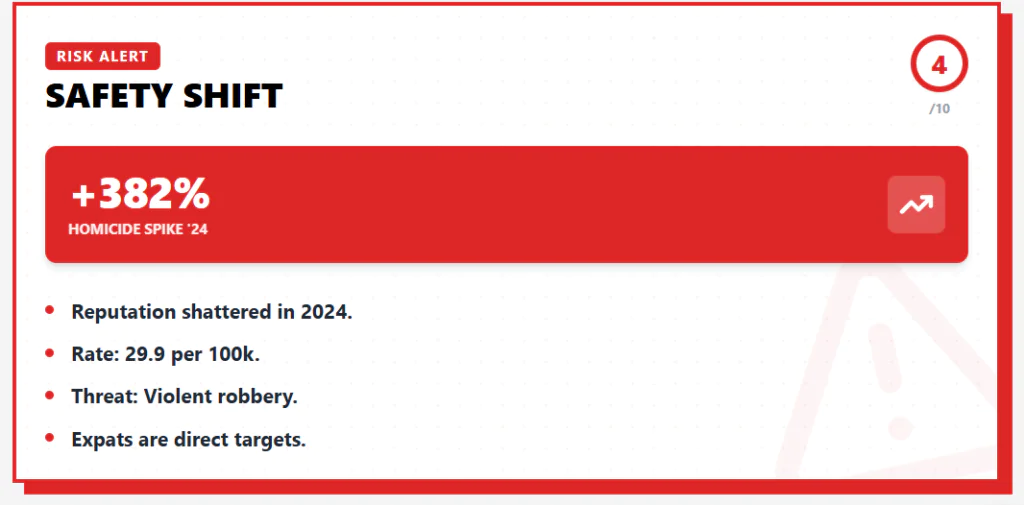
Safety is the other major detractor. The country was safe in the past, but 2024 saw a shocking 382% increase in the homicide rate, which reached 29.9 per 100,000.
Healthcare is limited, scoring a 5. Paramaribo contains decent hospitals like the Academic Hospital Paramaribo and St. Vincentius.
However, critical equipment shortages often occur, and serious conditions require evacuation. Suriname is cheap, but violent, and the infrastructure is subpar, receiving a final score of 5.0 out of 10.
10 – Jamaica
In this island nation, you face a combination of extreme violence and a surprisingly high cost of living that makes it hard to justify as a destination.
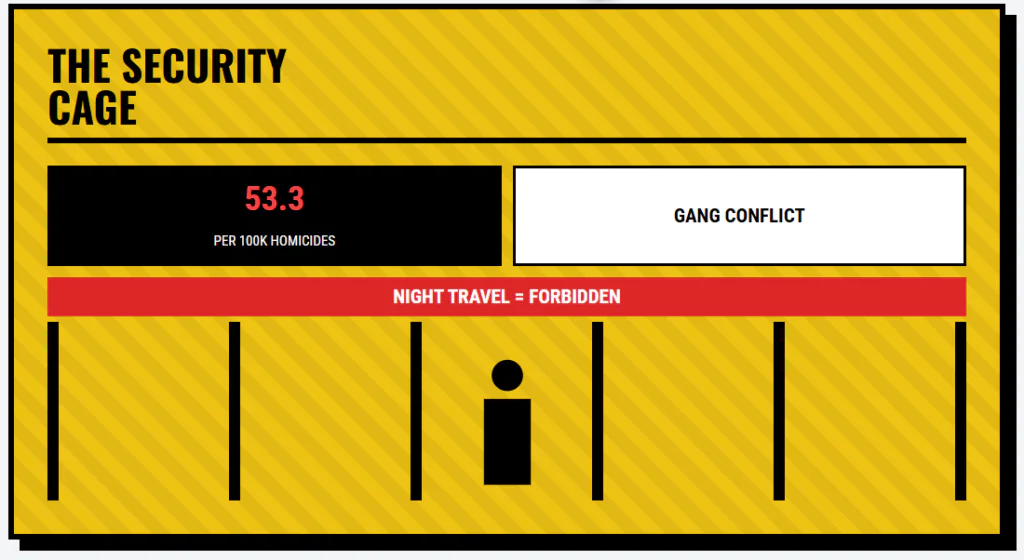
Safety is the single biggest deterrent. Jamaica’s crime statistics soared and are among the highest in the world.
You live in gated communities, restrict your travel at night, and avoid certain routes entirely. Living there also drains your wallet faster than you expect.
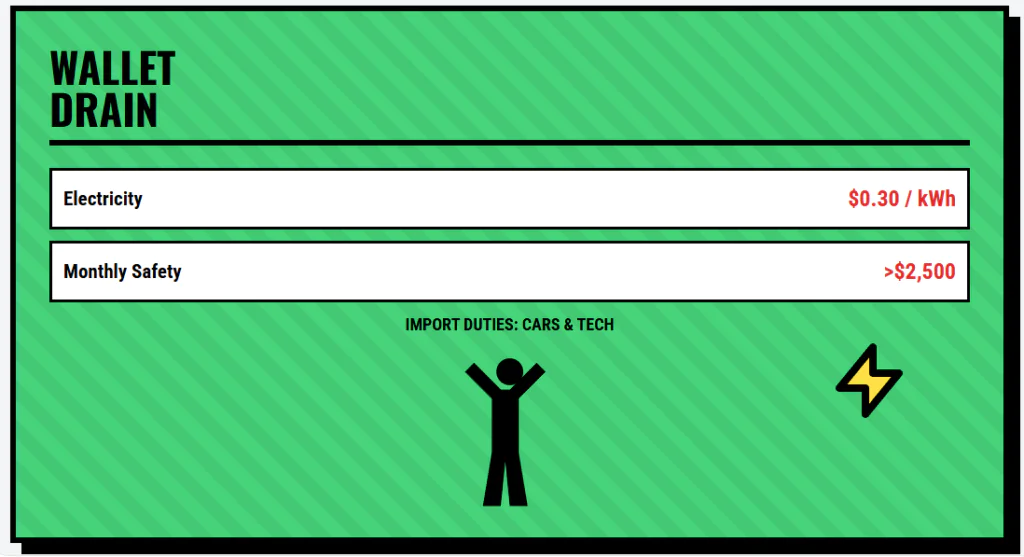
Electricity costs are astronomical, often exceeding $0.30 per kilowatt-hour. You face heavy import duties on vehicles, electronics, and food.
The healthcare sector is a mixed bag. Jamaica hosts some decent facilities, and private centers like the Medical Associates Hospital in Kingston offer good standards.
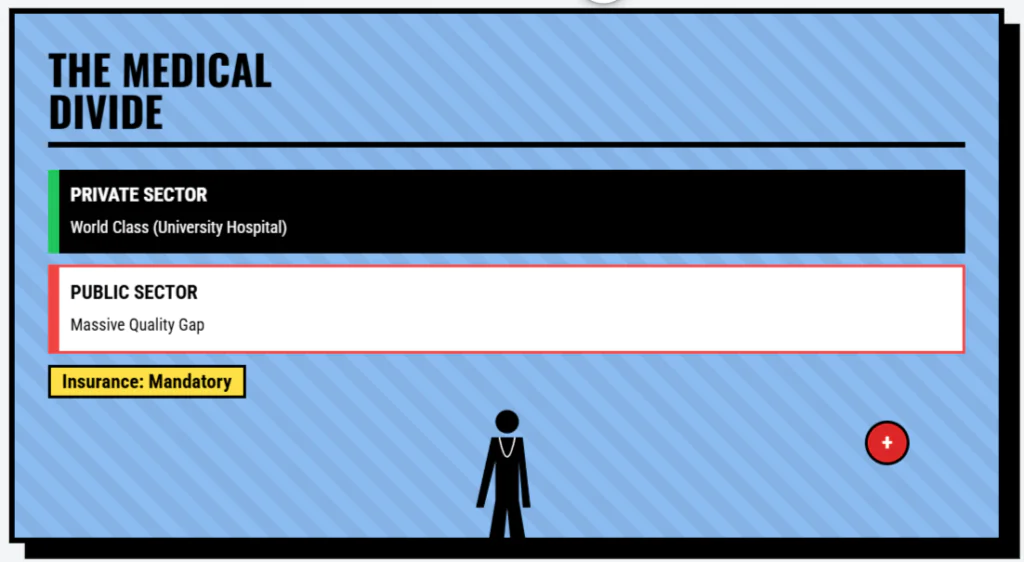
However, the gap between private care and the public system is massive, so comprehensive insurance is non-negotiable. Residency adds another layer of friction.
The bureaucracy is slow, and unlike a country that I will reveal soon, there are no tax incentives for retirees. The one massive advantage is language.
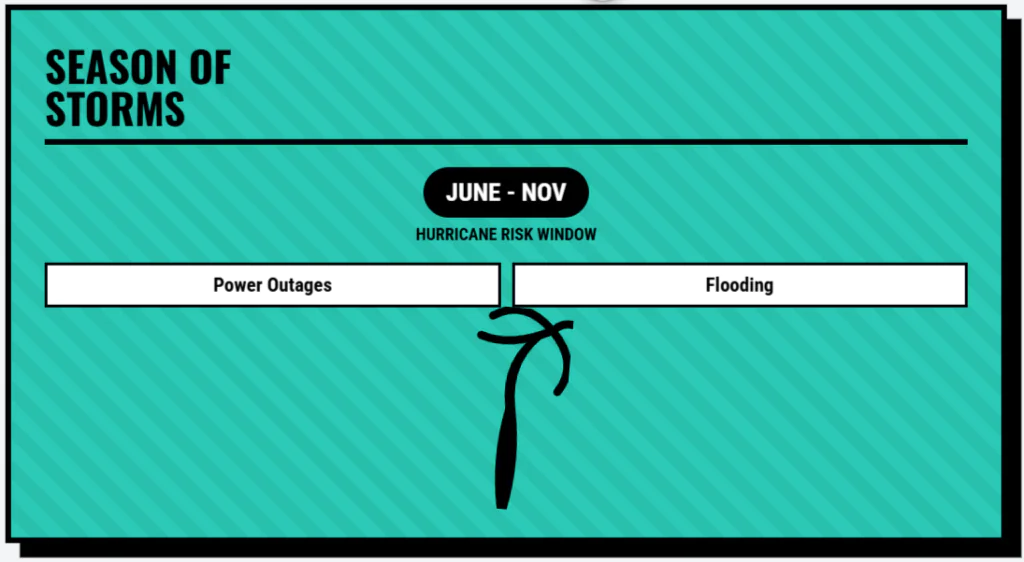
English is the official language, meaning zero communication barriers. But convenience does not justify the risk of violence, power outages, and even floods.
With these factors, Jamaica receives a final composite score of 5.2 out of 10.
9 – Honduras
The next nation offers a mainland nightmare but an island dream.
This part is tricky because it tells a tale of two countries and a very interesting economic experience. Honduras is incredibly affordable, scoring a 9 for cost of living.
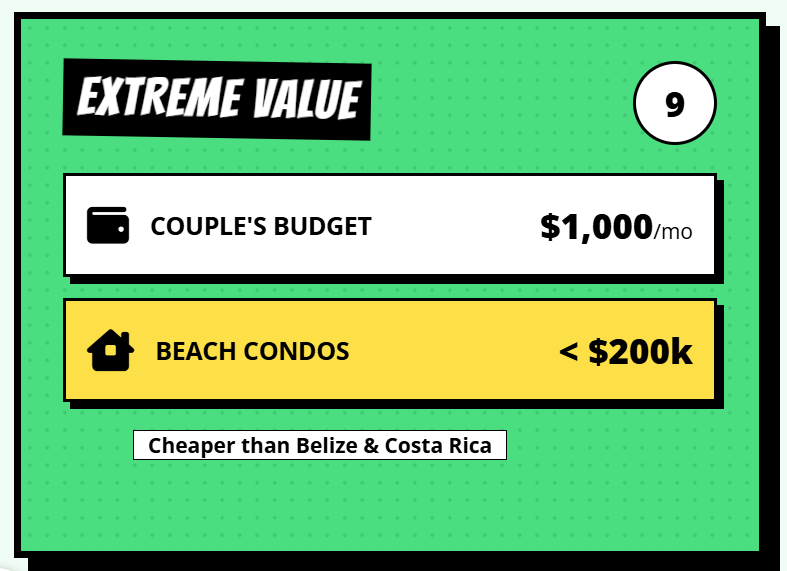
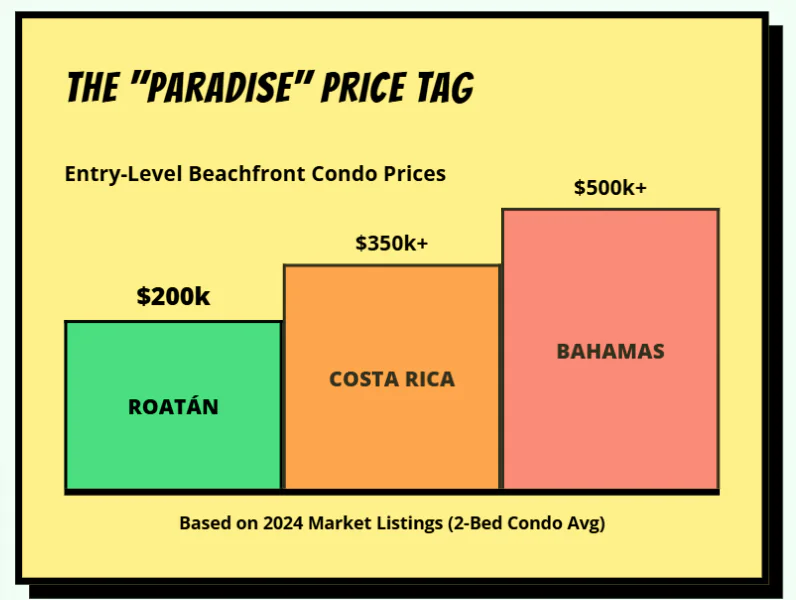
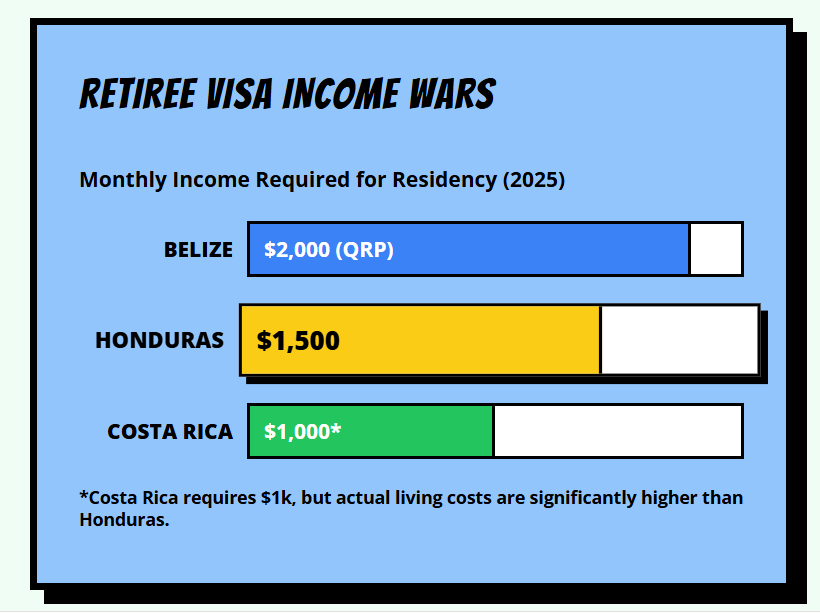
On the mainland, a couple can live comfortably on $1,000 a month. In Próspera in Roatán, prices reflect the higher quality of life, but still, costs are lower than in similar places in countries like Costa Rica.
You can find beachfront apartments for sale for under $170,000. Residency favors you as well.
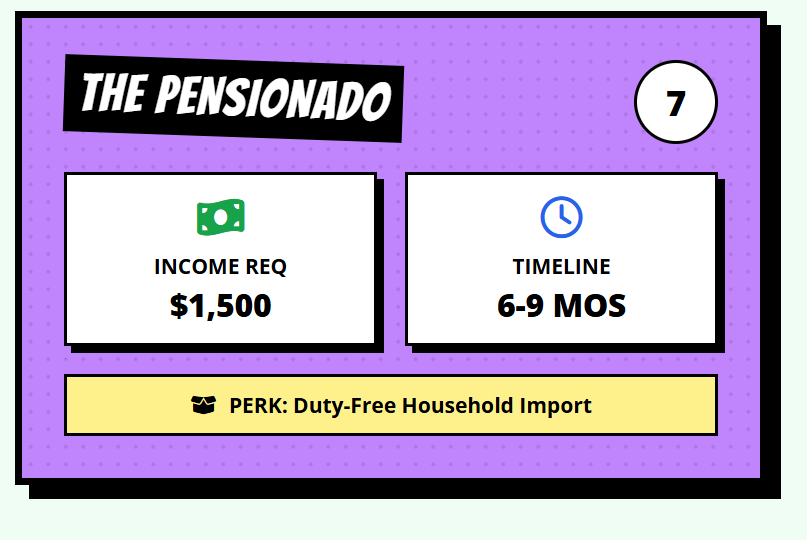
The Pensionado visa is accessible, requiring a monthly income of $1,500. It takes about six to nine months and offers duty-free import of household goods.
However, mainland Honduras suffers from severe safety deficits. In 2023, the homicide rate was 31.1 per 100,000.
Cities like Tegucigalpa and San Pedro Sula are notorious for control by “Maras,” or gangs. While the Bay Islands like Roatán are significantly safer, theft is still common.
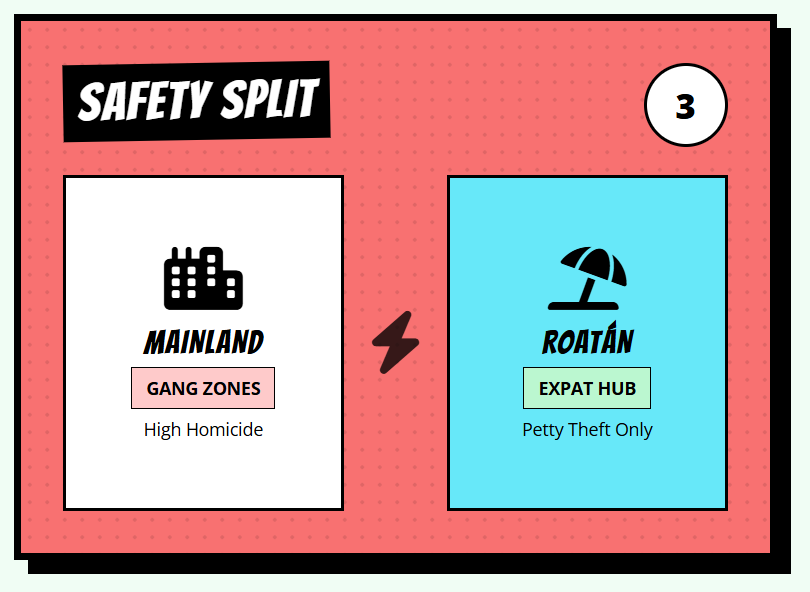
The low national score reflects the reality that you often must interact with the dangerous mainland for travel or government administration. This isolation complicates healthcare.
Roatán has facilities like Cemesa Hospital and Woods Medical Center which handle routine care. There are also world-class “biohacking” clinics in Roatán.
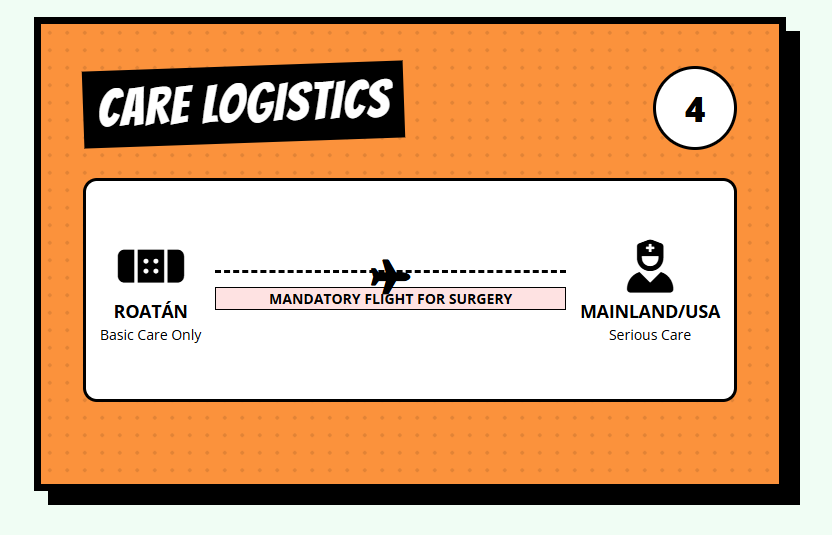
But for serious conditions, you must fly to the mainland or the US. Regarding language, English is relatively widely spoken in the Bay Islands, but bureaucracy is in Spanish, so you must learn some of it.
There are good options on the islands, but the country as a whole still has serious issues—especially violence—to solve. Honduras receives a final composite score of 5.4 out of 10.
8 – Guatemala
We now cross the border to a land of eternal spring.
This country gives you one of the lowest day-to-day costs on the list but demands trade-offs in bureaucracy, language, and healthcare access.
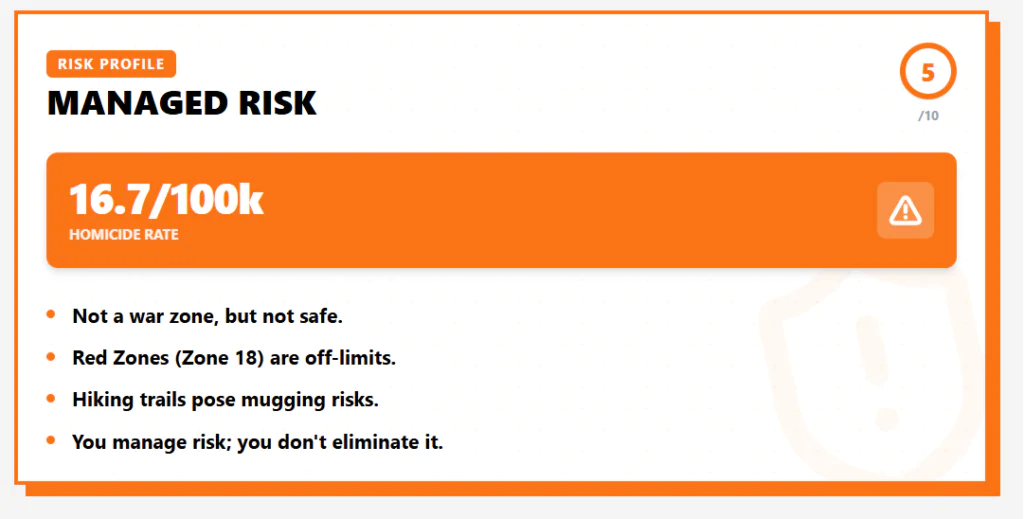
On safety, Guatemala lands in the middle with a homicide rate of 16.7 per 100,000. This is below the worst cases in the region, but not low enough to relax.
Crime concentrates in “Red Zones” of the capital, like Zone 18, while expat areas face mostly petty theft and occasional muggings on hiking routes. With a Cost of Living score of 8, a couple lives comfortably on about $1,500 per month.
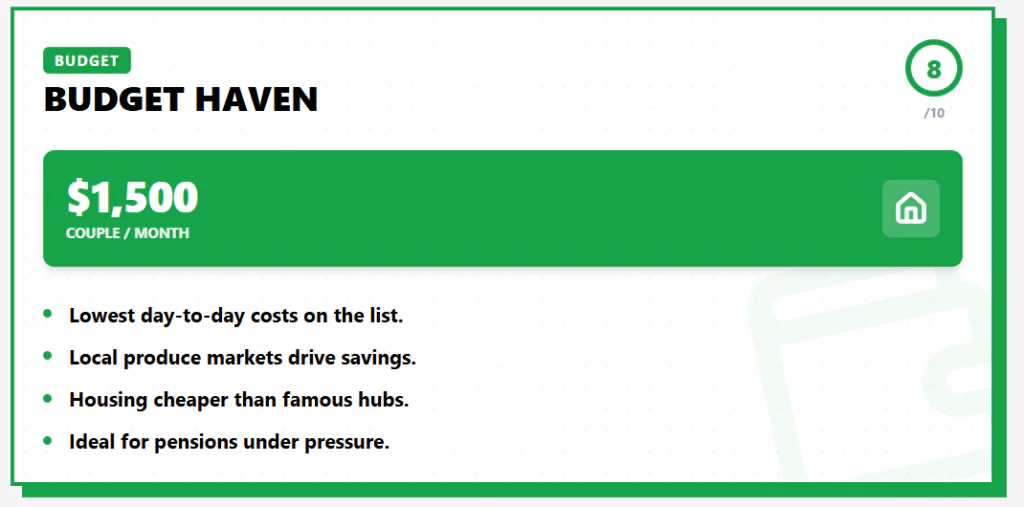
Housing remains cheaper than in more famous destinations, and food costs are even lower. Healthcare is a mixed result.
Private hospitals in the capital, such as Herrera Llerandi and Centro Médico, attract local elites and medical tourists. But all the top-notch institutions are in the capital.
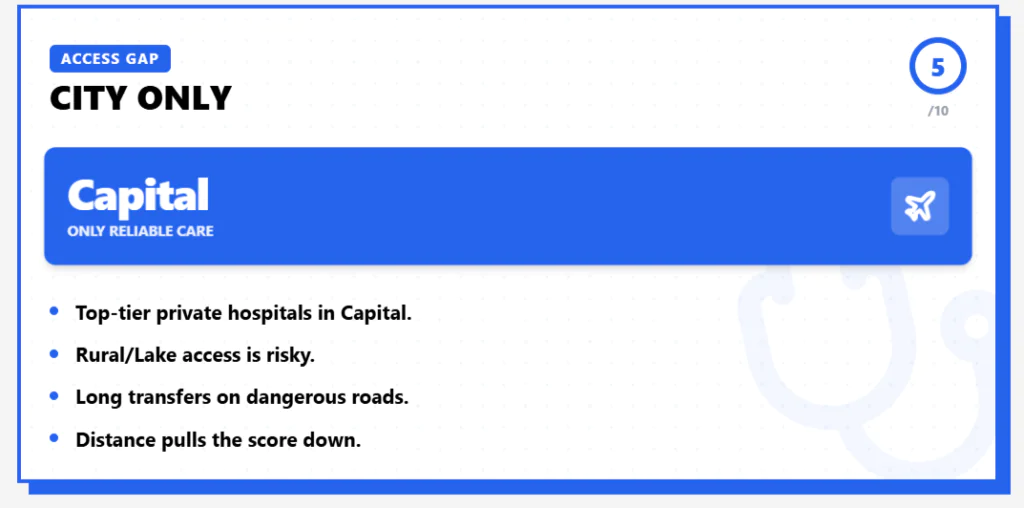
Private healthcare in Guatemala is very concentrated, and that pulls the healthcare score to 5. Residency looks easy on paper but frustrates in practice.
The Pensionado visa requires just $1,250 in monthly income, which is low by regional standards. The problem is the time; it might take 2 years to process your papers.
Guatemala ends up as a beautiful, low-cost option that still carries old issues, with a final score of 5.6 out of 10.
The countries with the best value require Spanish, so don’t let a language barrier lock you out of a better life. Spanish is actually one of the easiest languages to learn if you use the right method. I recommend LingQ. It tracks your known words and turns learning into a game. A few months on LingQ, and this “barrier” becomes your bridge to a cheaper lifestyle.
7 – Puerto Rico
If you are a US citizen, Puerto Rico feels like a cheat code.
You get the Caribbean climate, but you stay under the US flag. You can move there without a visa, your Social Security follows you, and Medicare works.
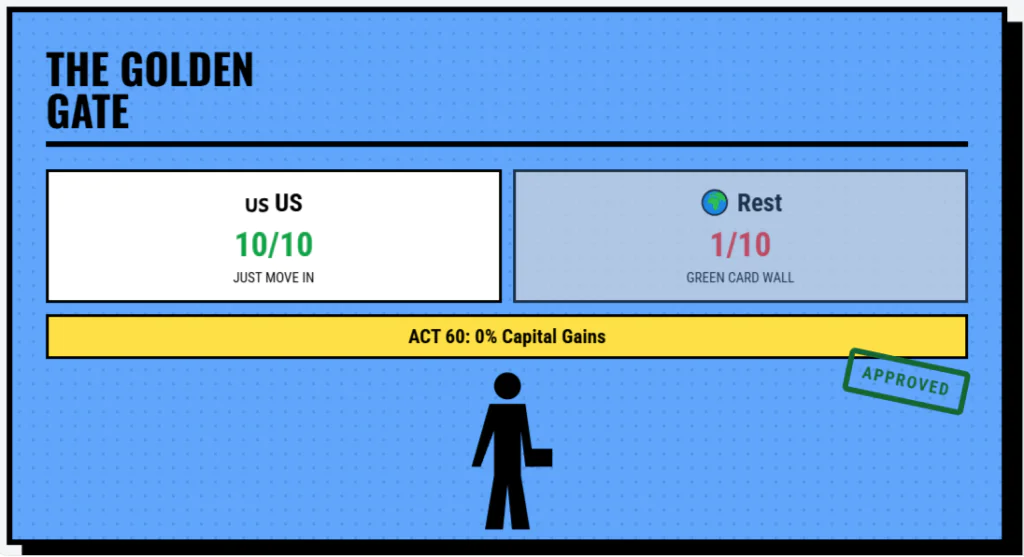
For residency, that is a perfect 10 out of 10—IF you are an American citizen. But for everyone else—Brits, Canadians, Australians—you face the full US immigration system. Average those together and you get a 5 for Residency.
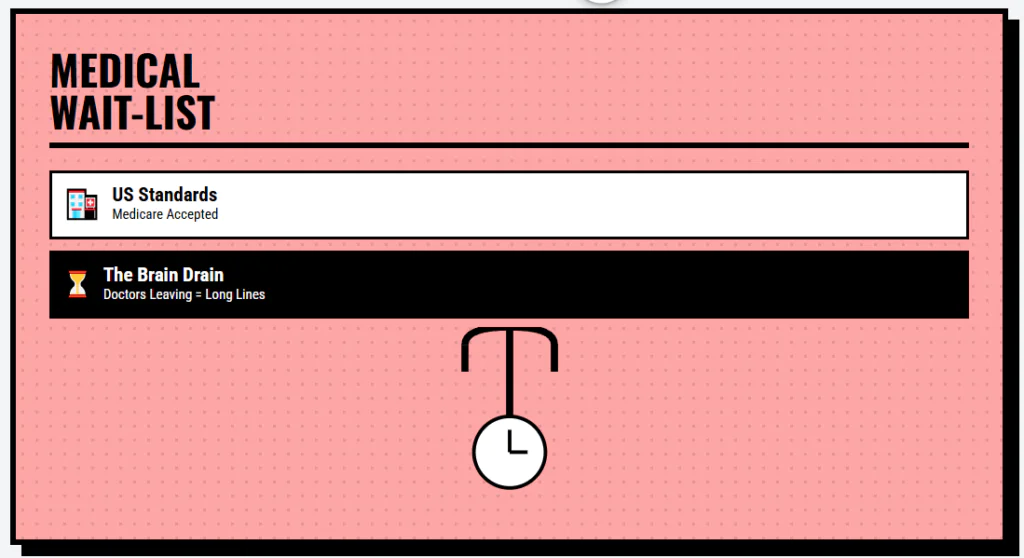
Hospitals like the Hospital Auxilio Mutuo employ US board-certified doctors with high standards. In the public system, many doctors leave for the mainland, which creates long wait times and makes private coverage almost mandatory.
That still earns Puerto Rico an 8 for Private Healthcare.
Now consider the trade-off. Convenience comes at a steep price. In popular expat areas, rents start around $2,500 a month, and the Cost of Living scores a 3.
The Jones Act pushes shipping costs up, so groceries, cars, and building materials all cost more than on the US mainland.
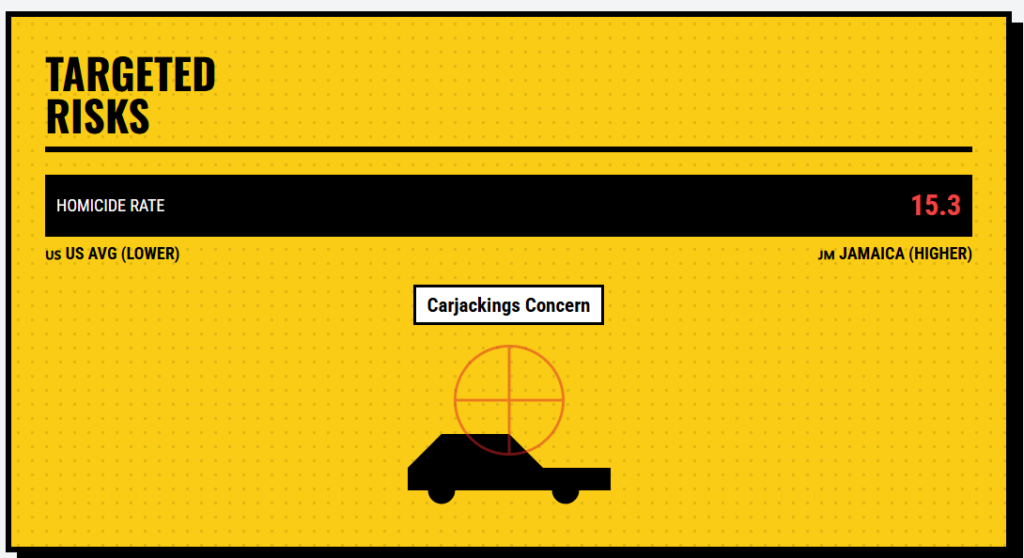
The homicide rate is quite high—15.3 per 100,000. For comparison, Louisiana has a rate of 10.8. Still, it is safer than many Central American countries.
On safety, Puerto Rico lands in the middle with a 5. Language is almost a non-issue for English speakers.
Spanish and English are both official, and English dominates business, government, and medicine. Road signs are often in both languages.
That gives Puerto Rico a 9 for Language Barriers. All put together, Puerto Rico is the easiest legal move for Americans but not the best value deal, with a final score of 6.0 out of 10.
6 – Belize
This country does really well in some aspects, but in others, it goes quite bad.
You get English as the official language and a retirement program that almost feels designed for you. Contracts, laws, and street signs use English.
That gives Belize a perfect 10 out of 10 for Language. Residency bureaucracy also looks good.

The Qualified Retired Person program asks you to show $2,000 per month in income. The process is clear, so on the Residency factor, Belize scores an 8.
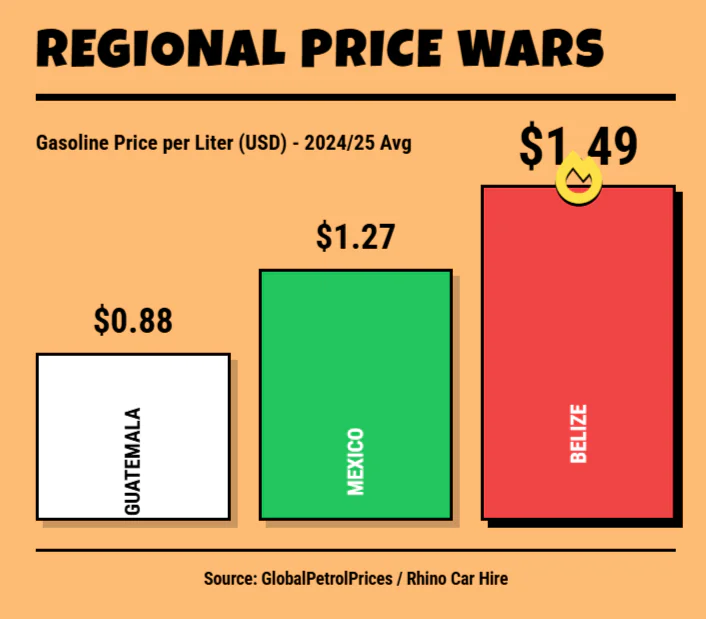
But when we talk about costs, things look worse. Fuel runs above $6 per gallon.
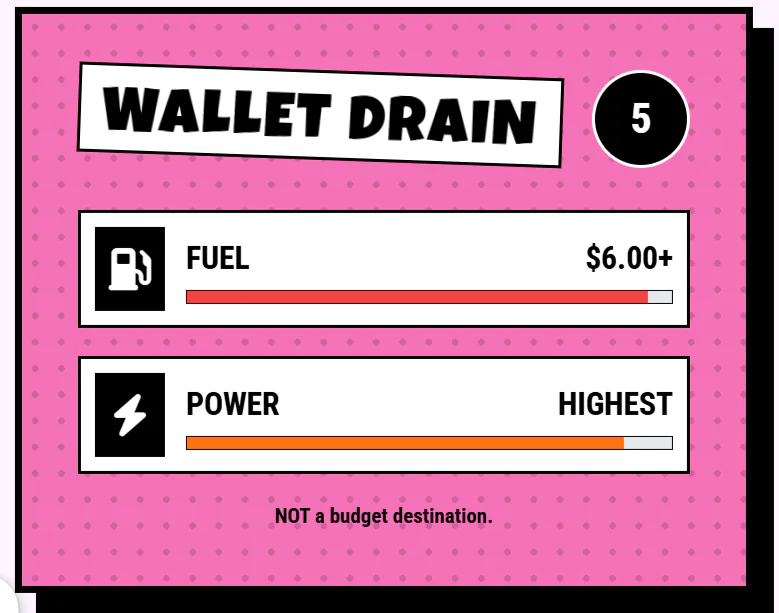
Electricity prices are the highest in Central America. Almost everything is imported, so consumer goods also come with a markup. In Cost of Living, Belize only scores a 5—in some aspects, it is not a budget destination.
But healthcare is the real deal breaker. There is a good private hospital, the Belize Medical Associates, but the offer is limited. For some serious procedures, you must fly to Merida or the US.
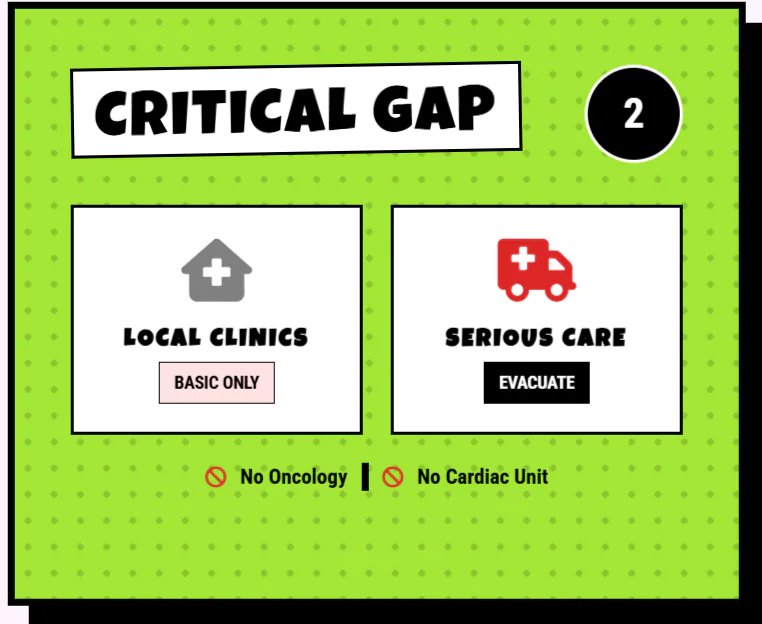
Therefore, private healthcare scores a 2. Safety scores just a 5.
The national homicide rate is 21.5 per 100,000, driven by gang activity. Some expat zones feel calmer, but the country itself is dangerous.
So Belize works best for healthy expats who value English and easy paperwork, but it exposes you as you age. It ends with a composite score of 6.0 out of 10.
5 – Dominican Republic
This is the “Goldilocks” option of the Caribbean because it scores well across the five categories without being perfect in any of them.
The Dominican Republic has the largest economy in the region and strong air connectivity. This matters if you plan to travel often or bring family in and out.
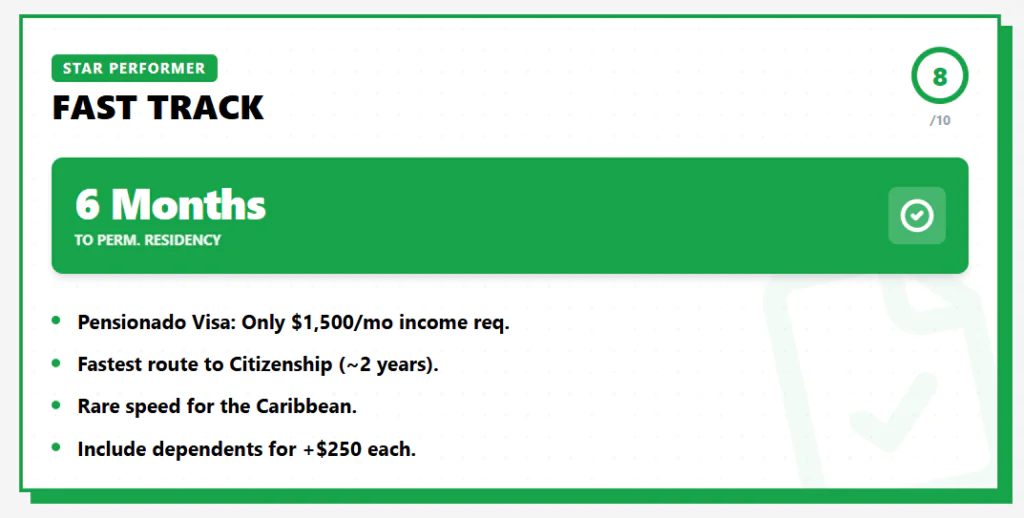
Residency is one of its biggest strengths. The Pensionado visa only asks for proof of $1,500 per month in stable income.
In exchange, you get a fast track: temporary status can convert to permanent in about six months. You can often reach citizenship in two years.
Such speed is rare in Latin America, so the Residency score gets an 8. Cost of Living lands at 7.
Out of the main tourist bubbles, a couple can cover rent, utilities, food, and transport on less than $2,000 per month. The country is a regional medical tourism hub, and Punta Cana is famous for it.
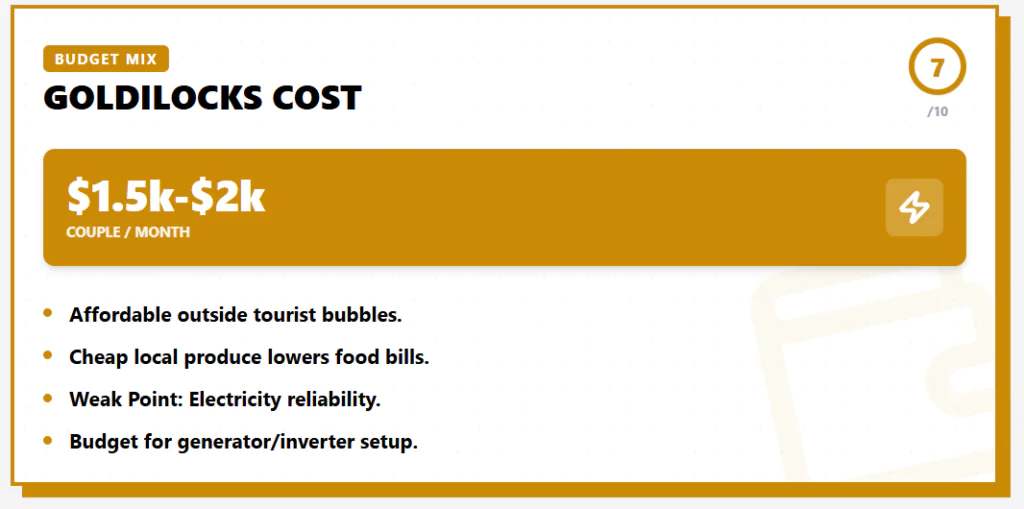
Prices, however, are also on the upper side when compared to other Caribbean countries. So Private Healthcare gets a 6.
On Safety, the homicide rate of 12.37 per 100,000 puts the score on this factor at 6. There are plenty of scams against “gringos.”
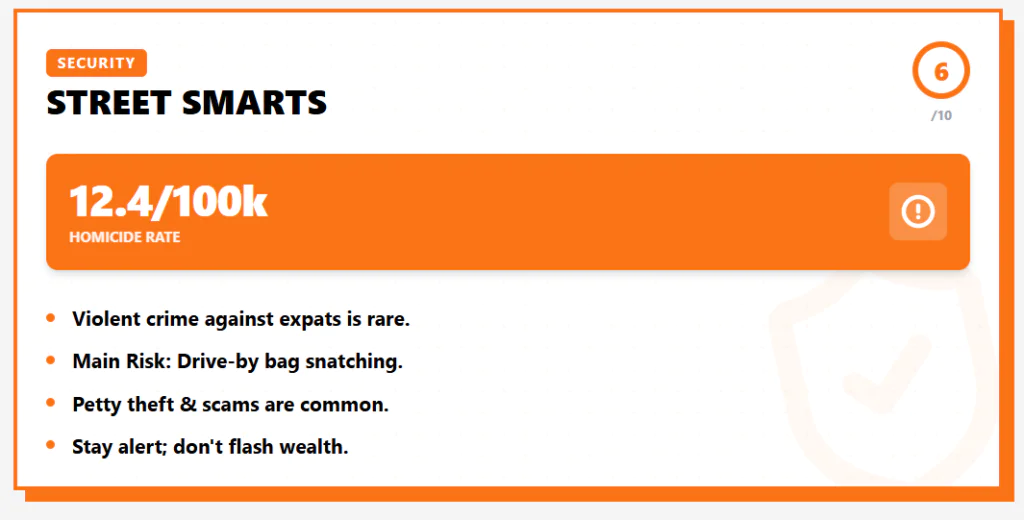
In fact, even being a Latino fluent in Spanish, when I was there I was also scammed.
English is not widely spoken, and the local dialect of Spanish is among the hardest. Language gets a 3.
Overall, the Dominican Republic reaches a composite score of 6.4 out of 10.
4 – Nicaragua
If budget is your only concern, Nicaragua is your number one.
This is the cheapest country on the list, period. A couple lives well there on $1,200 per month.
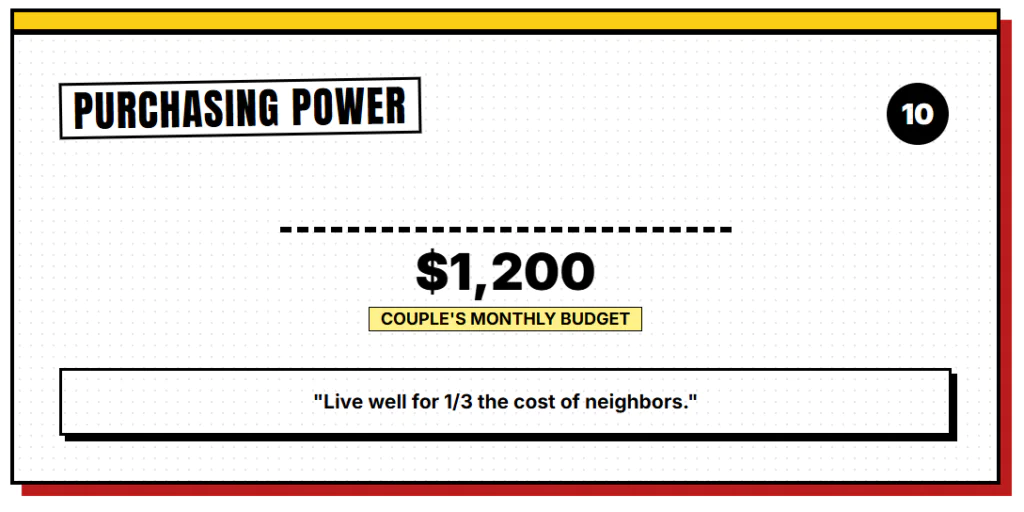
That covers rent, food, transport, and basic entertainment. For this reason, the cost of living factor gets a 10 out of 10.
The retiree visa program reinforces those low costs. You qualify with a monthly income between $600 and $1,000, depending on the subcategory.
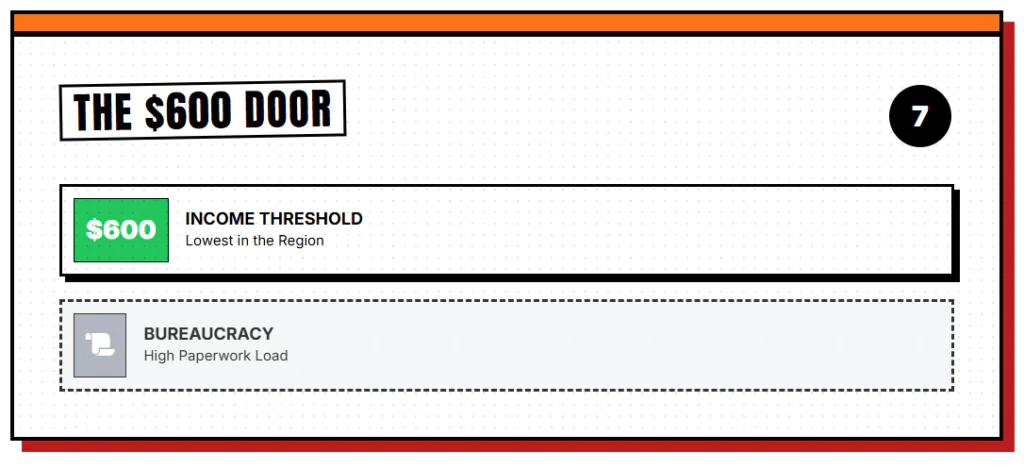
That is the lowest threshold in the entire region. The trade-off is bureaucracy: the process demands patience, multiple documents, and several months of waiting. This is why Residency Ease scores a 7 and not higher.
Nicaragua records some of the lowest crime rates in Central America.
You walk with less risk of mugging than in many better-known destinations. The cost of that security is political—this is an authoritarian state, so watch out for what you say.

For expats who stay apolitical and avoid protests, daily life remains calm, which is why Safety scores a 9. One JCI-accredited hospital in Managua, Vivian Pellas Metropolitan Hospital, offers strong care and attracts expats.
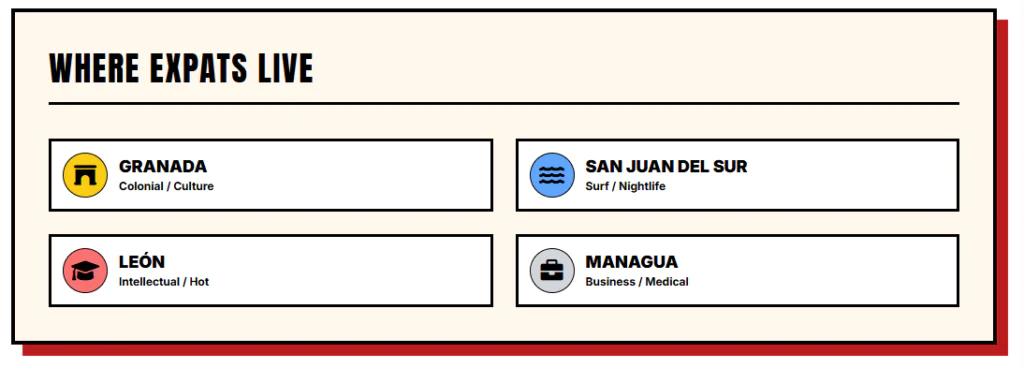
But that is the only major option we found. Private Healthcare gets only a 4.
Rural areas lack advanced equipment and specialists, so serious cases often require transfer. The Language Barrier is similar to other countries in the region and gets a 3.
You will need to learn Spanish. Overall, Nicaragua earns a composite score of 6.6 out of 10.
3 – El Salvador
One decade ago, El Salvador was by far the most violent country in Latin America and in the entire world.
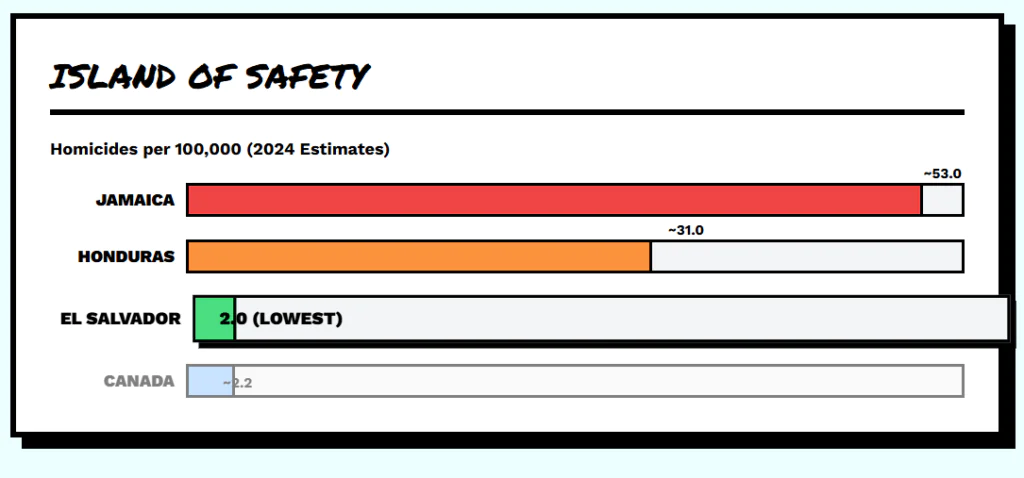
Today, you are looking at one of the safest countries in the Western Hemisphere, and the numbers back that up. Their crime rates are one-third of the rates in the US, and they are safer than Canada.
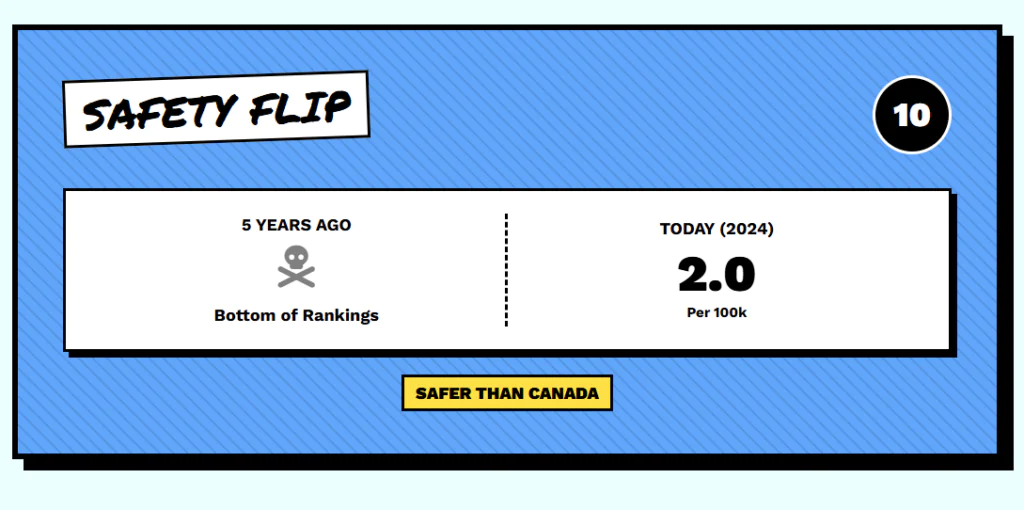
The main gangs, MS-13 and Barrio 18, have been dismantled under the current security policy. Daily life no longer revolves around avoiding gang territory, which is why Safety earns a perfect 10.
For retirees and long-term expats, you have two main tracks. First, standard residency for retirees, which you can access with an income near $1,095 per month.
Second, the “Freedom Visa” targets Bitcoin and crypto investors who bring capital and business activity. This offers a clear path to Citizenship.
The government uses these programs as part of a national rebranding and has an open stance toward foreign residents. Residency Ease scores an 8.
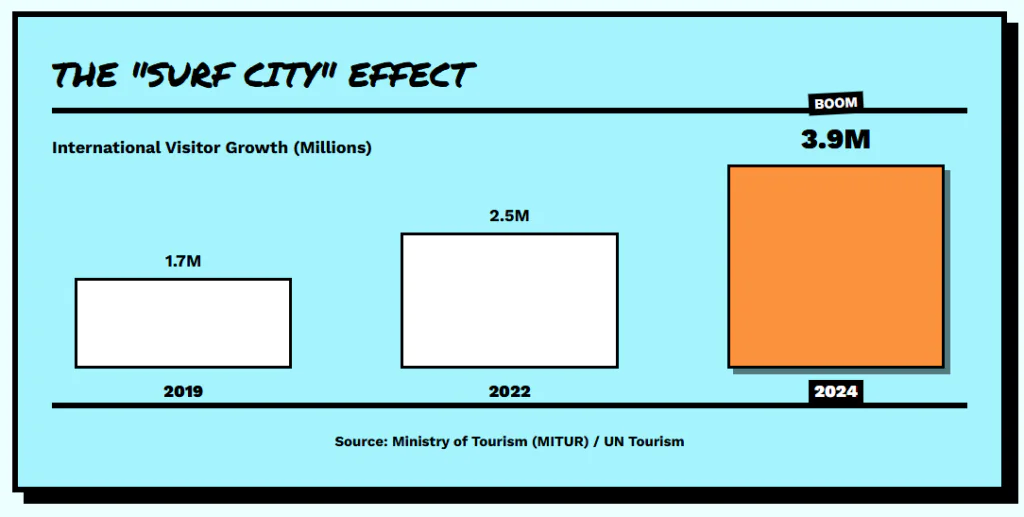
Prices in coastal hotspots like the “Surf City” are climbing, but across the country, you still pay less than in Costa Rica. You only pay a bit more than in Nicaragua.
On the money side, Cost of Living also scores an 8. In El Salvador, the US dollar, together with Bitcoin, is legal tender.
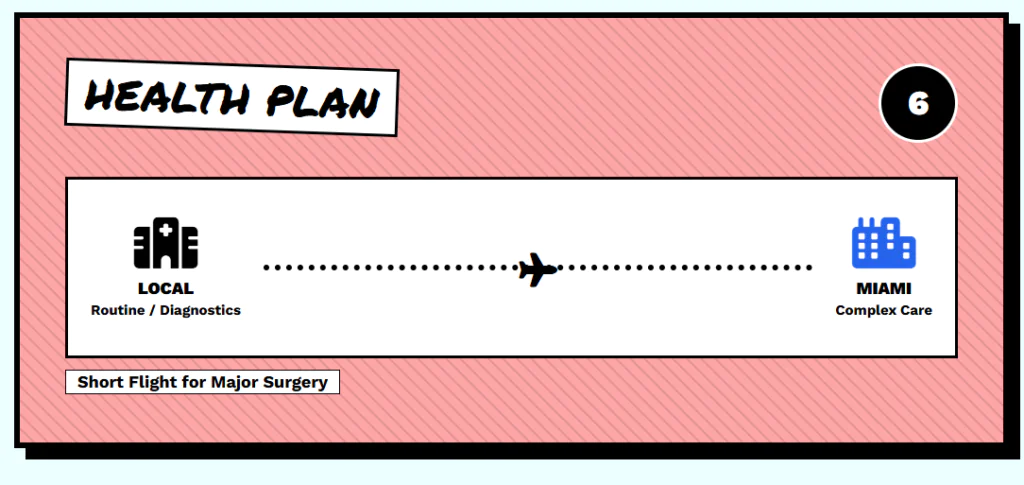
For Americans, that removes exchange rate risk and makes budgeting easier. El Salvador has some decent private hospitals, including Hospital de Diagnóstico and Hospital de la Mujer. For complex procedures, many expats still choose to fly to Miami, which is a short direct trip. So Healthcare lands in the middle with a 6.
There are some expat hotspots where people can speak English, but still, learning Spanish is essential. The score for Language Barriers is 4.
El Salvador comes out as the region’s rising star: safe and with an improving infrastructure. It gets a final score of 7.2.
2 – Costa Rica
For decades, this was the default choice for expats in Central America, and the numbers explain why.
Costa Rica scores near the top in almost every structural category, even if you pay a premium for the privilege. In terms of visa easiness, it is one of the best, offering multiple paths.
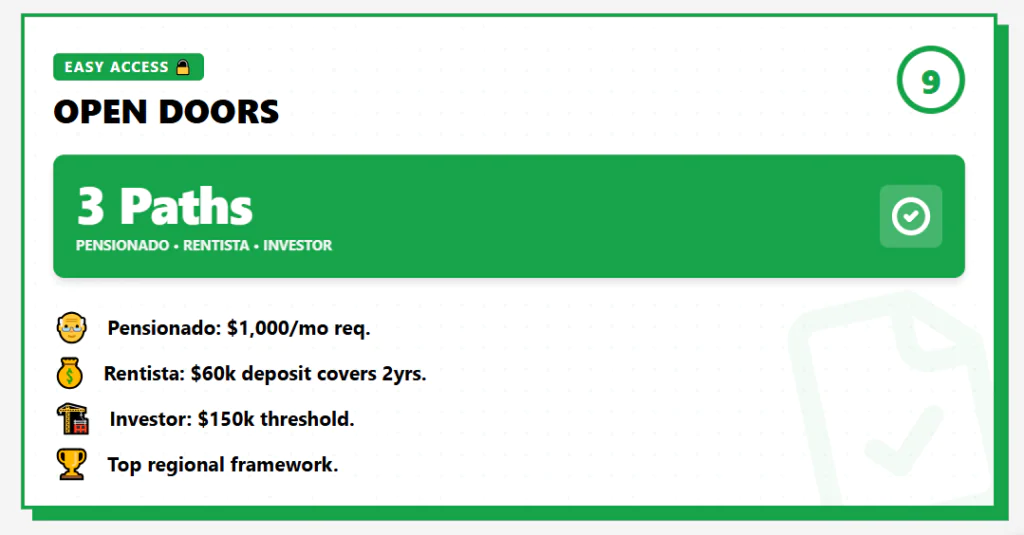
The Pensionado Program requires a pension of just $1,000 per month. While the Rentista path allows you to qualify by depositing $60,000 in a bank.
Investors have a third path, which guarantees a visa if they invest $150,000 in Costa Rica. These three channels give you flexibility and push Residency Ease to a score of 9.
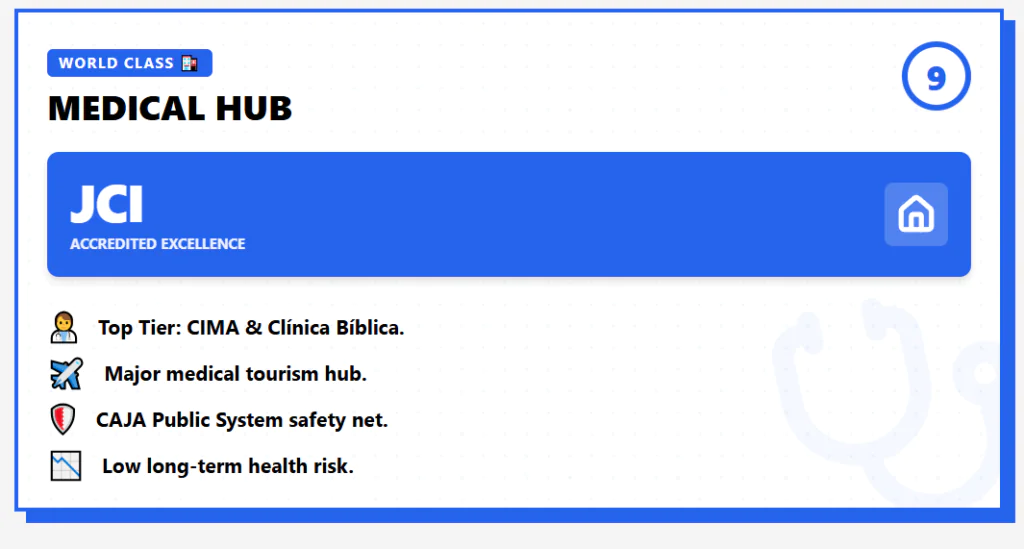
Healthcare backs that up with data, and it scores a 9. Hospitals such as CIMA and Clínica Bíblica hold JCI accreditation and employ US-trained doctors.
Medical tourism brings in thousands of foreigners each year for surgeries and specialist treatment. On top of that, you can enter the CAJA system for a monthly fee.
Safety is the factor that opens space for some polemics. The national homicide rate has climbed to around 17 per 100,000 because of drug-related conflict in port areas. But the Central Valley, where most expats concentrate, remains comparatively calm. Large-scale violence is limited.
Cost of Living is where Costa Rica loses ground, as it scores only a 6. This is now the most expensive country in Central America.
A couple often needs close to $3,000 per month to maintain a comfortable standard. High import taxes on cars, electronics, and other goods create what many expats call a “brand tax” on the Costa Rica name.
Language barriers in Costa Rica are smaller than in other Spanish-speaking countries in the region. Long exposure to American tourists means a lot of English speakers in key areas.
Put together, Costa Rica reaches a composite score of 7.6 out of 10.
1 – Panama
This nation takes the top spot because it masters the balance others miss.
Panama hits the sweet spot across all five categories, and the numbers make that clear. Let’s start with residency: if you have a lifetime pension of $1,000 a month, plus $250 for a spouse, you get permanent residency.
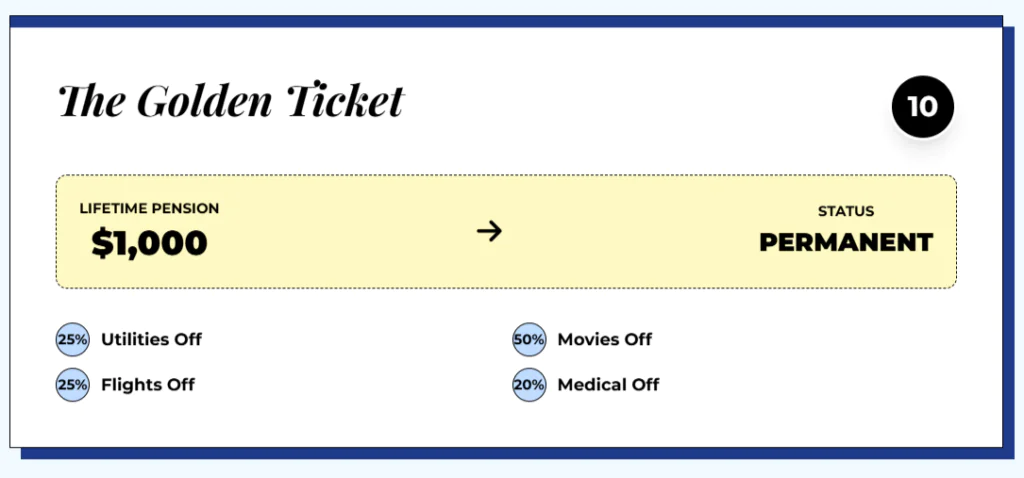
On top of that, you receive legal discounts written into law: 25% off utility bills, 50% off movie tickets, 25% off airline tickets, and 20% off medical consultations. So Panama gets a 10 for Residency Ease.
The country does not just allow you in; it rewards you for coming. Private hospitals reach US standards at lower prices.
There is even a hospital affiliated with the Johns Hopkins Medicine International, handling advanced procedures. Therefore, healthcare also scores a perfect 10.

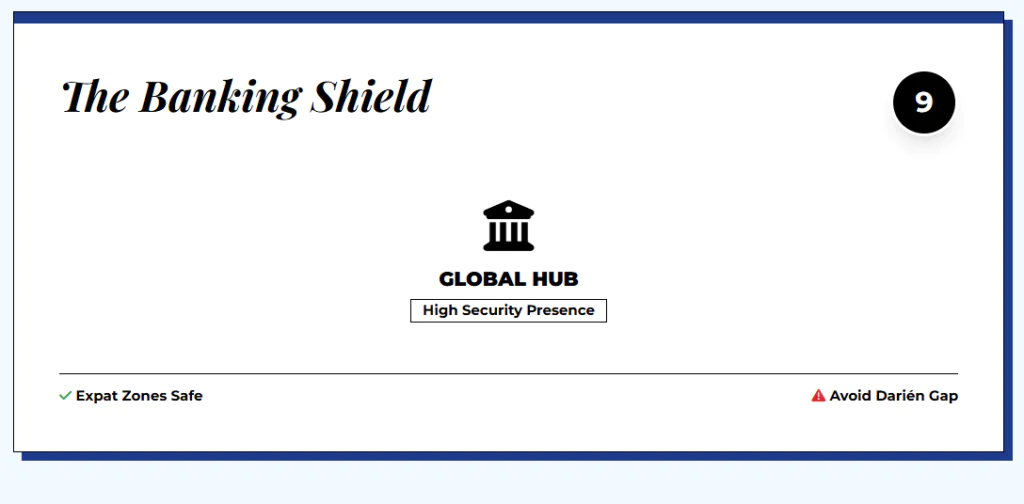
In terms of Safety, Panama gets a 9. The country runs as a global banking and logistics hub, so there is a strong security presence in major economic areas.
The exceptions are hot zones like parts of Colón and the Darién border. The Cost of Living factor gets a 7.
The economy uses the US dollar, which removes currency risk and limits inflation spikes. Urban areas cost about as much as a mid-sized US city, but smaller interior towns let a couple live comfortably on about $1,500 per month.
Language Barriers score a 5. This is a bit lower than Costa Rica, but above other Spanish-speaking Central American countries.

Panama reaches a final composite score of 8.2 out of 10 and the first place in our ranking.
Now that you know Panama is the King of Central America, you need to see if it can beat the King of South America. I ranked every South American nation from worst to best, and you can find this ranking here.
And join my Patreon for all the sources and charts from our articles, plus a chat, so I can answer your questions. Tier 2 includes all my eBooks on living and retiring abroad-scan the QR code today!
Levi Borba is the founder of expatriateconsultancy.com, creator of the channel The Expat, and best-selling author. You can find him on X here. Some of the links above might be affiliated links, meaning the author earns a small commission if you make a purchase.