The best French cities to retire to aren’t the famous ones, and that is good news for you.
These are cities where the healthcare infrastructure was reformed. The trains got faster. The cost of living remained affordable.
Suddenly, some French cities became way better than others for expats.
However, most people are still looking at the same Provence that everyone else is looking at.
They are missing the real winners, the cities that actually give you the best lifestyle for your money.
I gathered the opinions of hundreds of expats in France and learned that the gap between a good choice and a bad choice of city is huge.
It is the difference between having money to spare and running short every month.
The top 5 on this list are not the cities you would expect – they are the ones expats who have actually done the research are choosing.
The Criteria
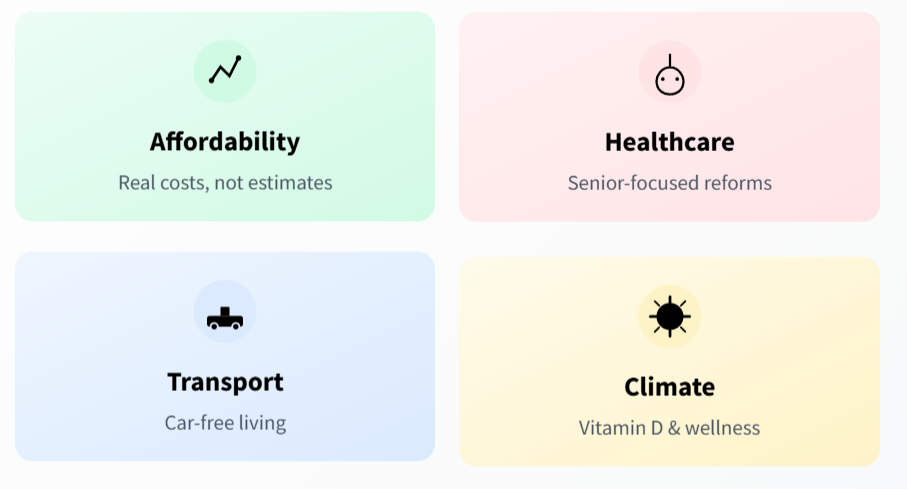
First, we look at the cost of living, which includes what you actually pay for housing, groceries, and daily services.
Next is healthcare, where we consider the availability of hospitals in both the public and private sectors.
Infrastructure is the third pillar of our ranking. Thanks to France’s €100 billion rail modernization plan, living without a car is now a data-backed reality. We look for high-speed rail and regional electrification that keeps you connected without the expense of a vehicle.
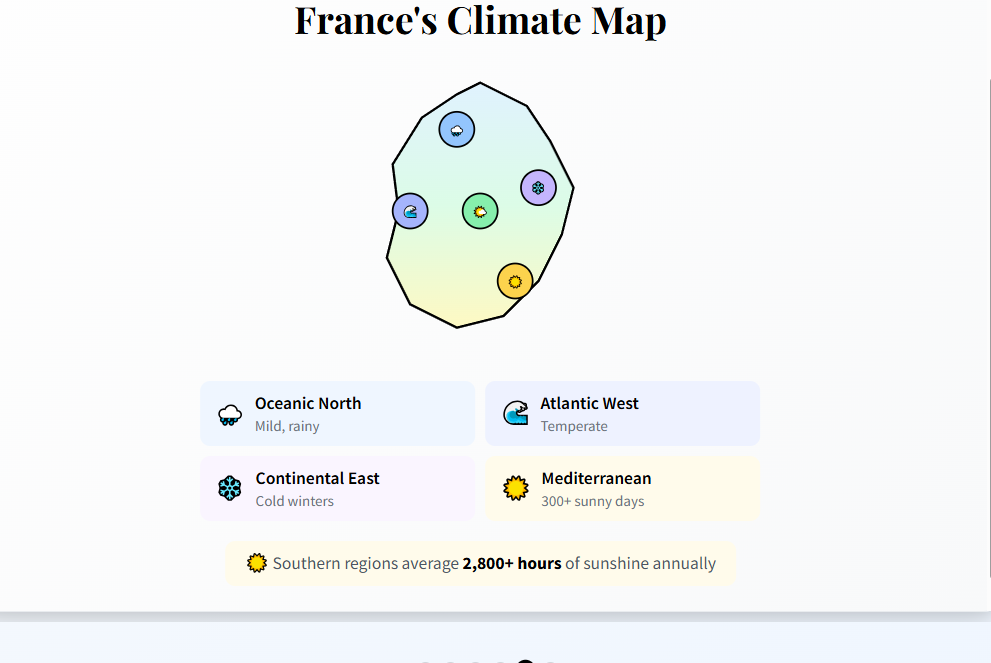
Finally, there is the “Sunshine Factor,” as France is not a small country, and there are enormous climate differences between each region. The gap between cities that nail all four factors and those that fail is massive.
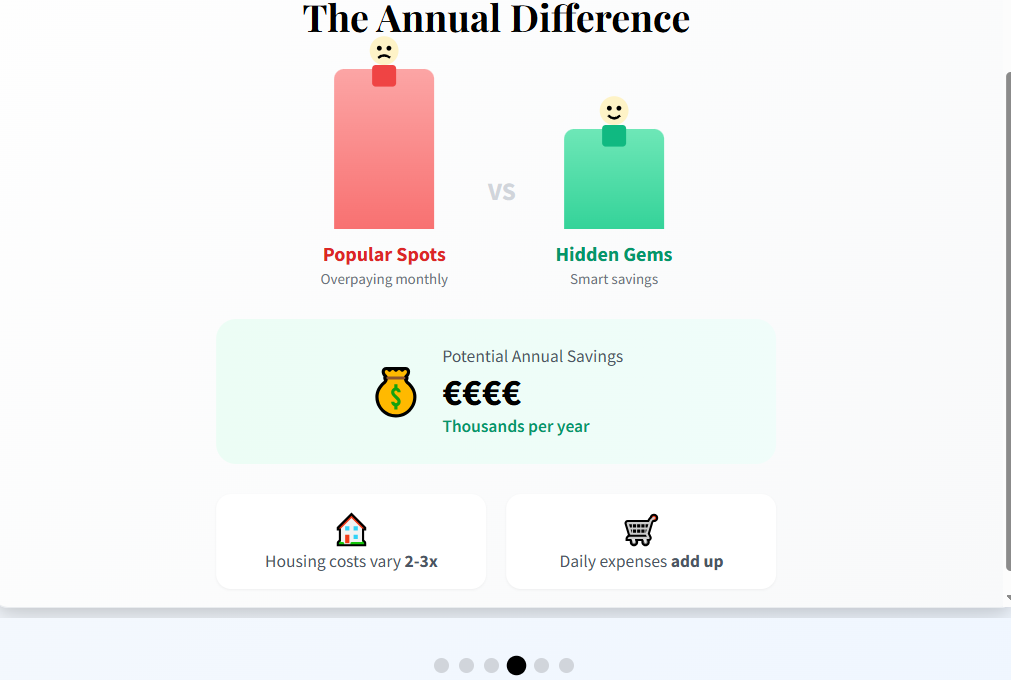
On the cost of living, for example, it might be thousands of euros a year—the difference between a comfortable life and one where you count every euro at the grocery store.
Time to start our ranking.
10th Place: Where Prestige Has a High Price
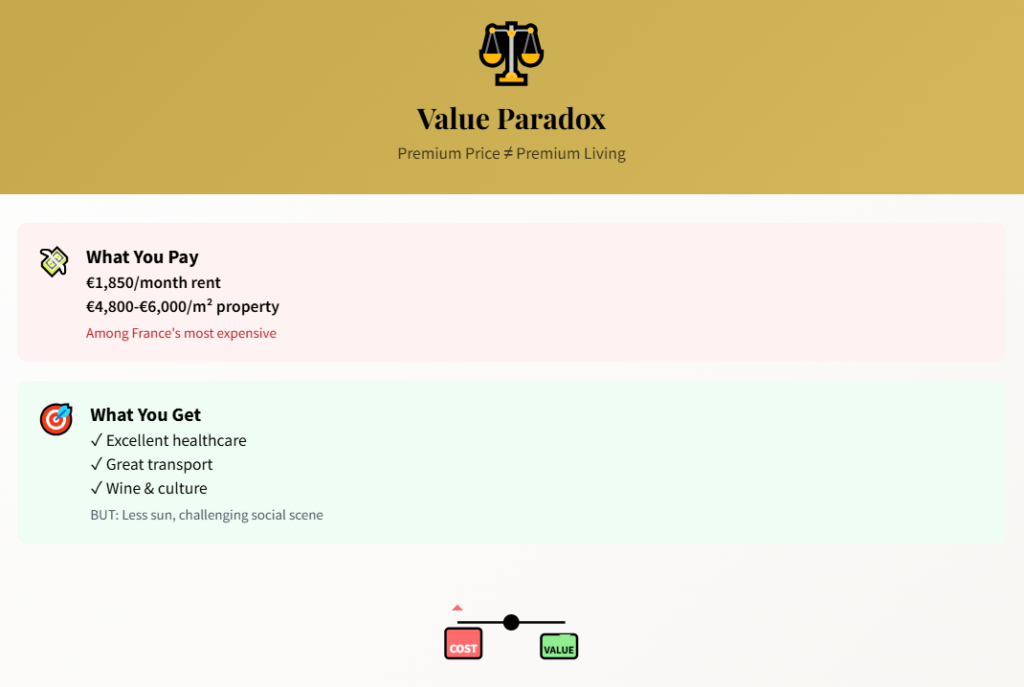
Some people might think Bordeaux is great because of the wine, but moving there just because you had a great weekend tasting Cabernet Sauvignon is a bad idea. It ranks tenth on our list for a specific reason. The cost of living index makes it one of the most expensive cities in all of France.
If you want a furnished apartment in the city center, you are looking at 1,800 to 1,900 euros every month. Property prices in neighborhoods like Chartrons and Bastide have climbed past 4,800 euros per square meter, with some spots hitting 6,000. For a retiree on a fixed pension, this is a massive drain on your savings, as you are essentially paying a prestige premium that does not always translate to a better life.
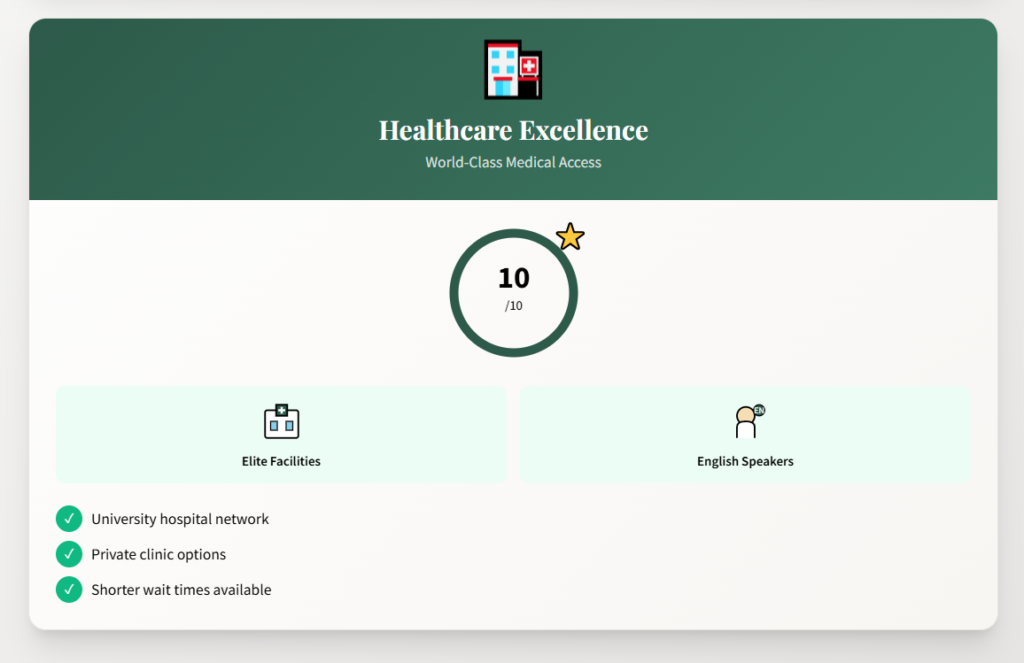
However, the healthcare data is actually quite impressive, and Bordeaux earns a perfect ten in that category. You have access to elite facilities like the CHU Bordeaux and the Groupe Hospitalier Pellegrin. For expats, the density of English-speaking specialists is high, so you won’t struggle with a language barrier during a medical emergency.
You also have private clinics that help you skip the long wait times for elective surgeries, which is a huge perk if you can afford it. The infrastructure is also top-tier, featuring a tram system that is a model for Europe and the TGV Océane train that gets you to Paris in just two hours. New rail projects for 2026 are making regional lines to places like Marseille even more punctual.
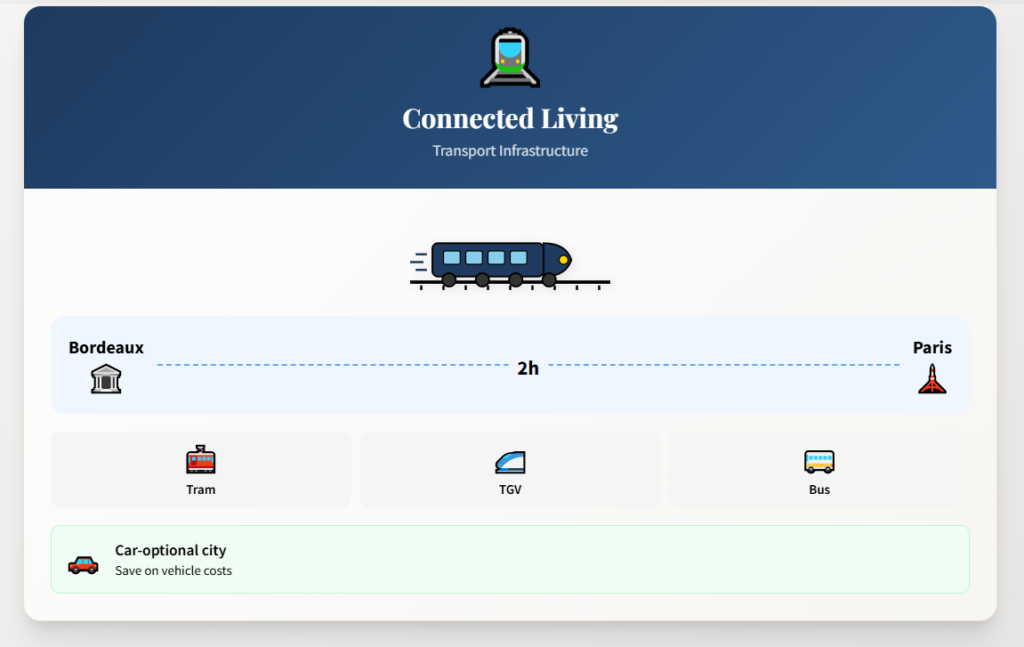
You can definitely live there without a car, which saves you money, but that savings is immediately eaten up by the high rent. There is also another point about Bordeaux that I found curious, as some expats there complain about the locals and their attitude. A foreigner who lived there for 20 years told us, “The vast majority of people are very vile and full of themselves; it takes a long time to make friends, and while I was able to do it thanks to sport, otherwise it’s difficult, especially with very expensive housing prices and few offers.”
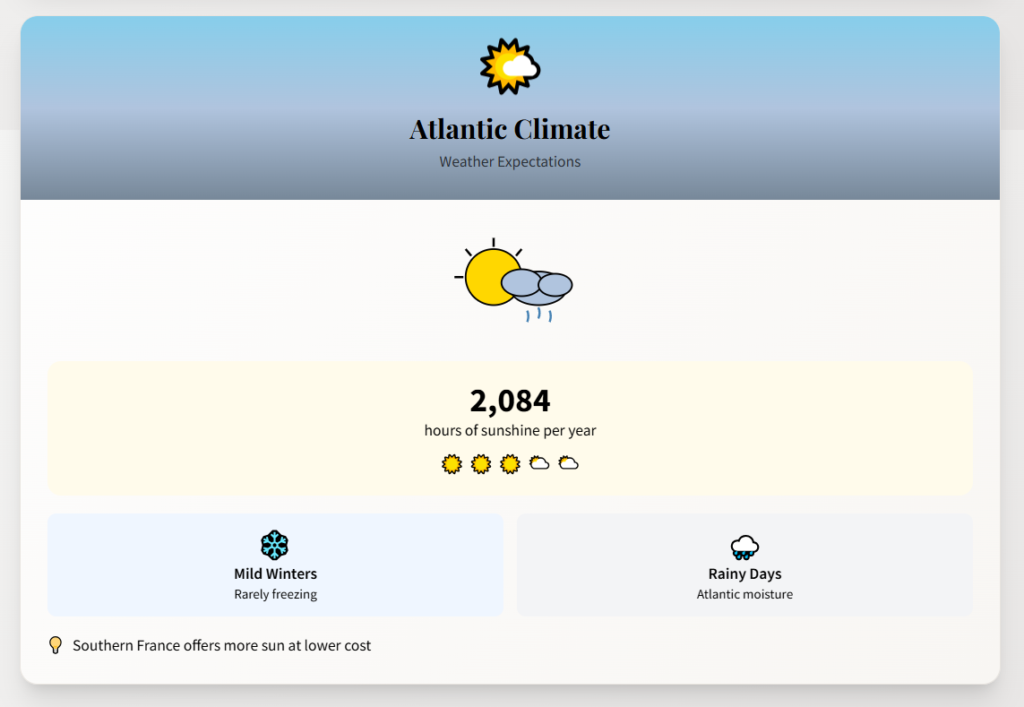
Because it sits near the Atlantic, you get mild winters, but you also get a lot of rain. Bordeaux only gets about 2,084 hours of sunshine a year, which might sound fine, but you can get way more sun for a lot less money further south. Bordeaux scores 30 out of 40 total.
If you want to avoid that price tag, you have to look at cities where the numbers tell a different story.
9th Place: The Quiet City

Limoges is the budget-friendly choice if you want to maximize your pension. It is officially the most affordable city on our list, with rent for a two-bedroom apartment averaging between 650 and 900 euros. That is a massive difference compared to the 1,900 euro bills you see in Bordeaux, and your money simply goes further here for groceries and daily services.
The city even has a unique trolleybus system for local trips, which helps keep your overhead low. But here is the trade-off: the “Sunshine Deficit.” Limoges only gets 1,974 hours of sun a year, which is the lowest on our list.
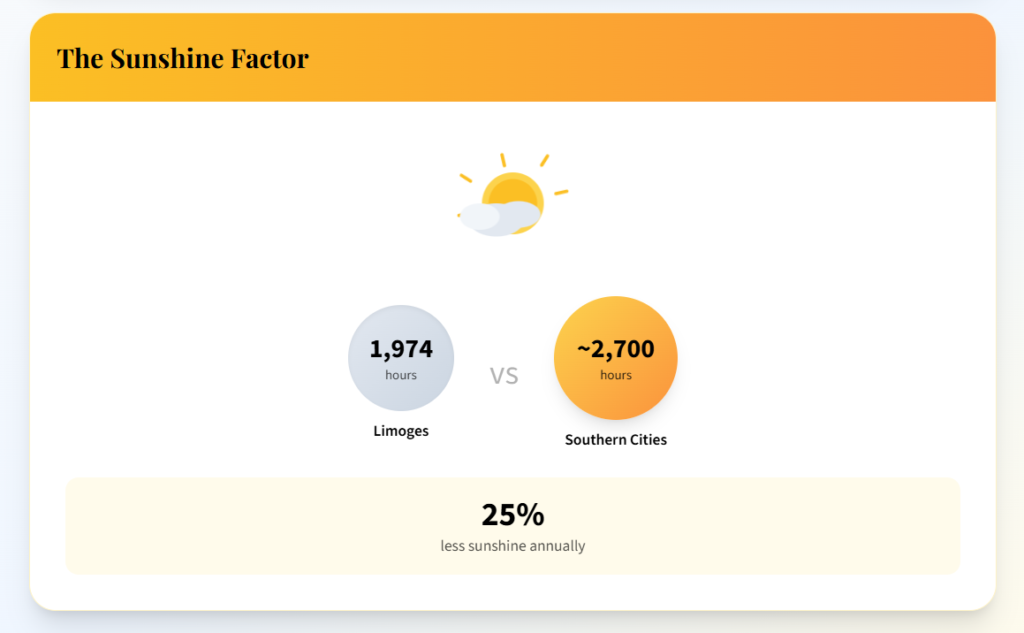
To put that in perspective, southern cities get nearly 700 hours more, meaning it receives 25% less light. It is cloudier and grayer for much of the year, and for a retiree, that is not a small detail. A lack of sun impacts your vitamin D levels and your mood.
Limoges is home to a University Hospital, or CHU, which provides high-tier academic medicine. The 2026 reforms have specifically improved geriatric access in the Haute-Vienne department, giving the city a strong healthcare score of 9 out of 10.

The infrastructure scores lower because Limoges lacks a high-speed TGV connection. You have to rely on the slower Intercités network, which makes the trip to Paris much longer. You also cannot live car-free as easily there, as you will likely need a vehicle for anything outside the city center.

8th Place: Coastal Prestige
Nice is a city everyone recognizes because it has the beaches and that Italian-style charm on the Riviera. But for a retiree, it is a financial trap. Rents for a central two-bedroom apartment start at 1,600 euros and often climb to 2,200 euros or even higher.
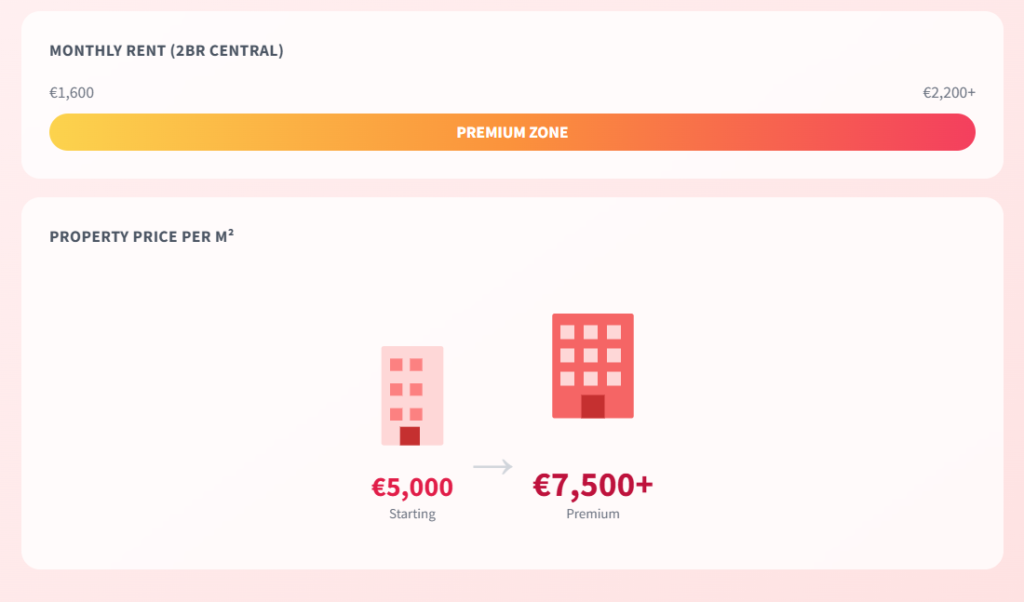
If you want to buy, property prices hit between 5,000 and 7,500 euros per square meter. If you are not careful, the Riviera premium drains your pocket.
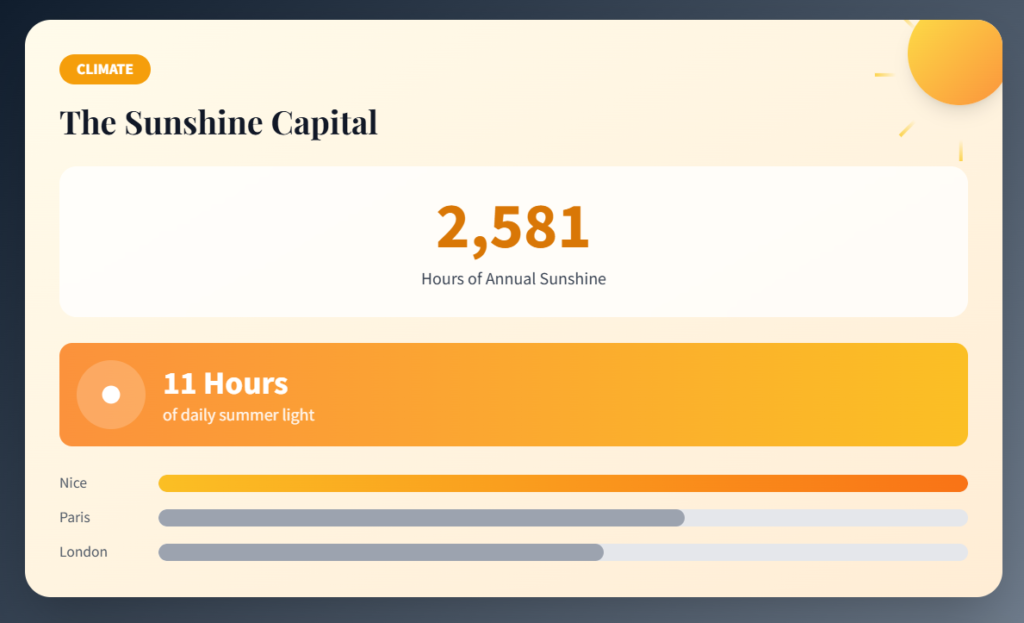
The fantastic weather partially explains the high prices, as Nice gets 2,581 sunshine hours a year.
The healthcare in Nice is excellent, supported by a CHU that is a multi-site system. The concentration of medical expertise is a major reason people look there, including the Claude Pompidou Institute for Alzheimer’s and the Antoine Lacassagne Centre for oncology.

The infrastructure also features a big international airport and a modern tram network.

However, regional traffic is a mess, and the rail projects in this part of France are moving slower than the hubs further west. Nice is a prestige choice, but it ranks 8th because the price is too high when compared to the rest of our list. The final score for Nice is 32 out of 40.
7th Place: Avignon: The Middle Ground
Moving away from the high-priced coast, you might consider the heart of Provence for a fraction of the cost of the Riviera. Avignon is the middle ground of French cities; it is not expensive, but it is not super budget-friendly either. For a retired couple, you are looking at paying between 800 and 1,200 euros for a two-bedroom apartment.
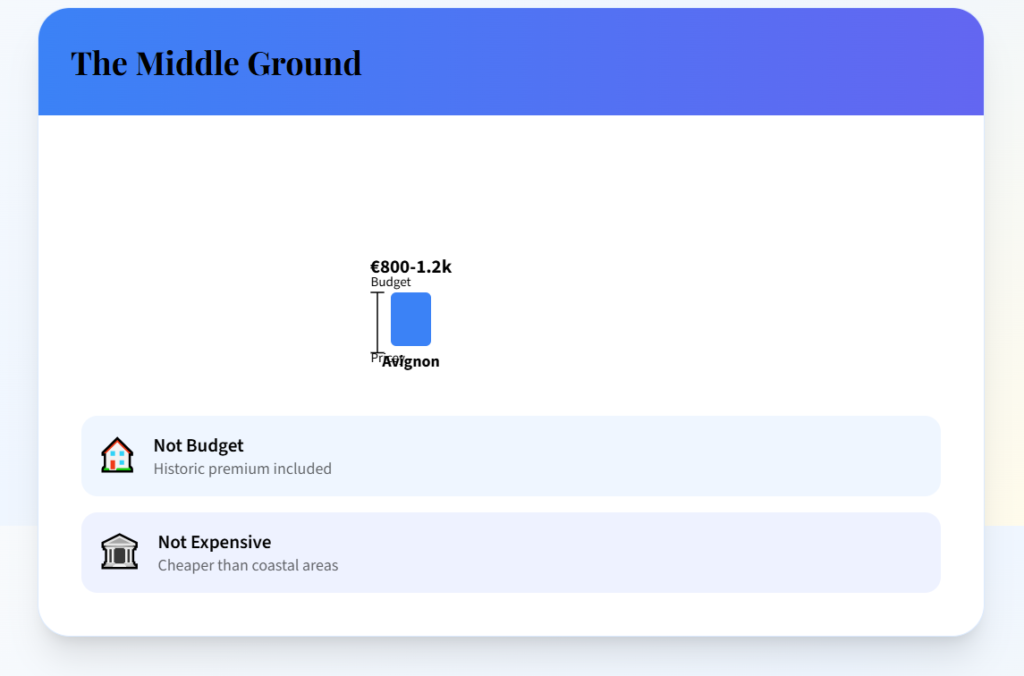
It is more affordable than Nice, but you are still paying a premium for that historic atmosphere within the city walls. The healthcare situation is where things get tricky because Avignon does not have a CHU, which is a university hospital center. You have the Centre Hospitalier Henri Duffaut and some private clinics, and they are fine for basic care.
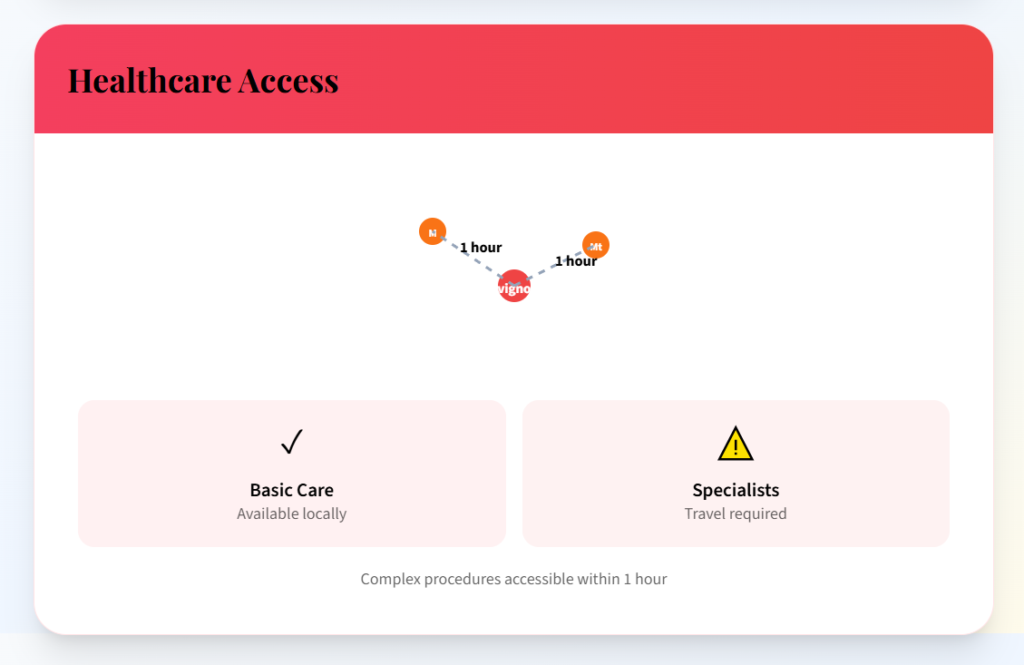
However, if you have a complex heart issue or need a specialist in neurology, the data shows you will be traveling. The good news is that these complex procedures are within an hour’s reach in Marseille or Montpellier, which balances the risk factor. Now, let’s talk about getting around.
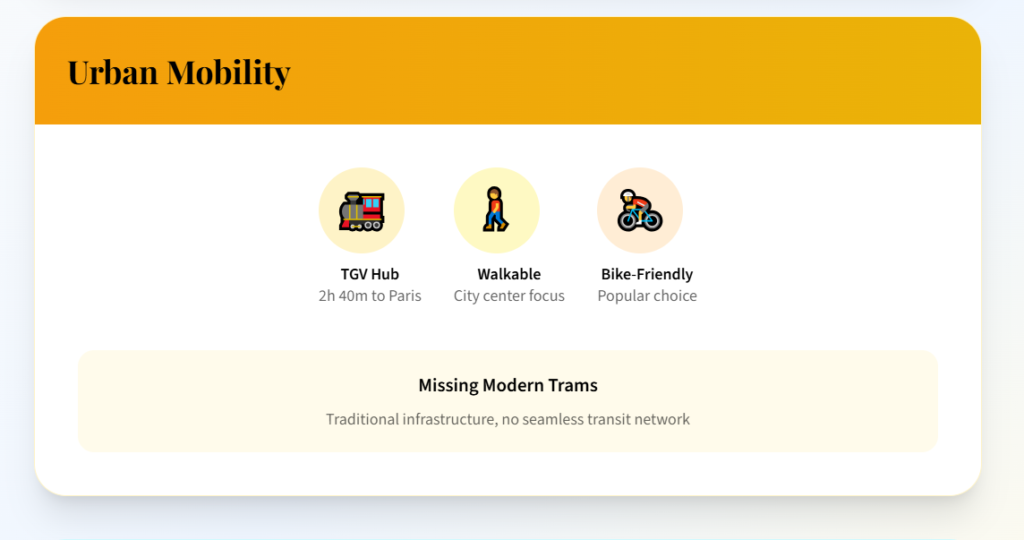
Avignon is a major TGV hub, and the station connects you to Paris in just 2 hours and 40 minutes. Inside the city, people prefer walking or bikes, but it lacks the modern tram networks you see in top-ranked cities. It feels traditional, which some people love, but it means you don’t get that seamless, car-free living found elsewhere.
A foreigner living in Avignon made a peculiar criticism about the city:
“Avignon is not a super clean city and lives off the fame of its festival and monuments, but neglects cleaning the facades and refreshing the old buildings!”
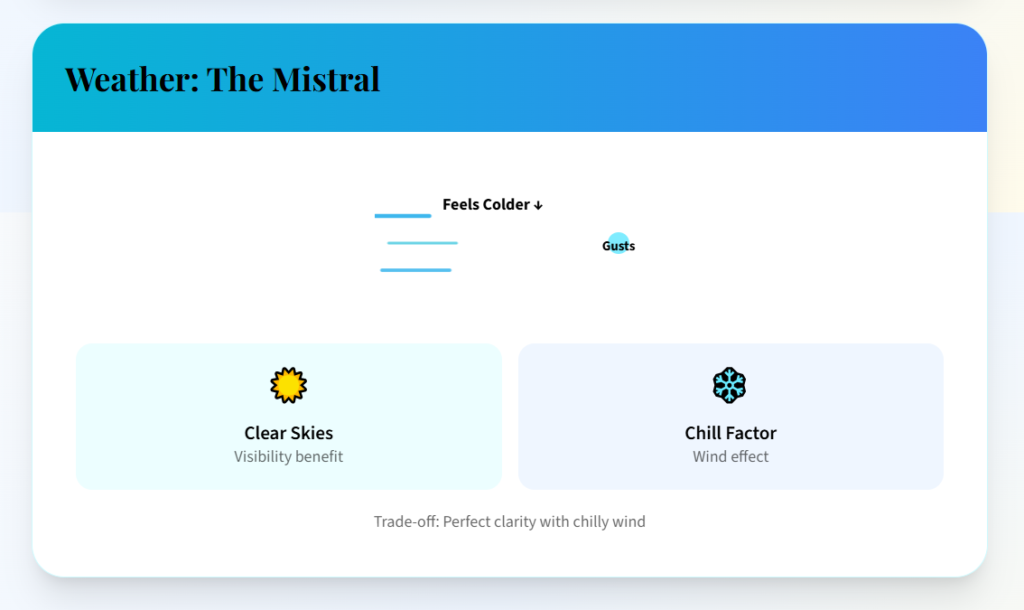
The weather is a strong point, but you have to deal with the Mistral wind. These are chilly gusts that provide clear skies but can make a sunny winter day feel much colder than the thermometer says.
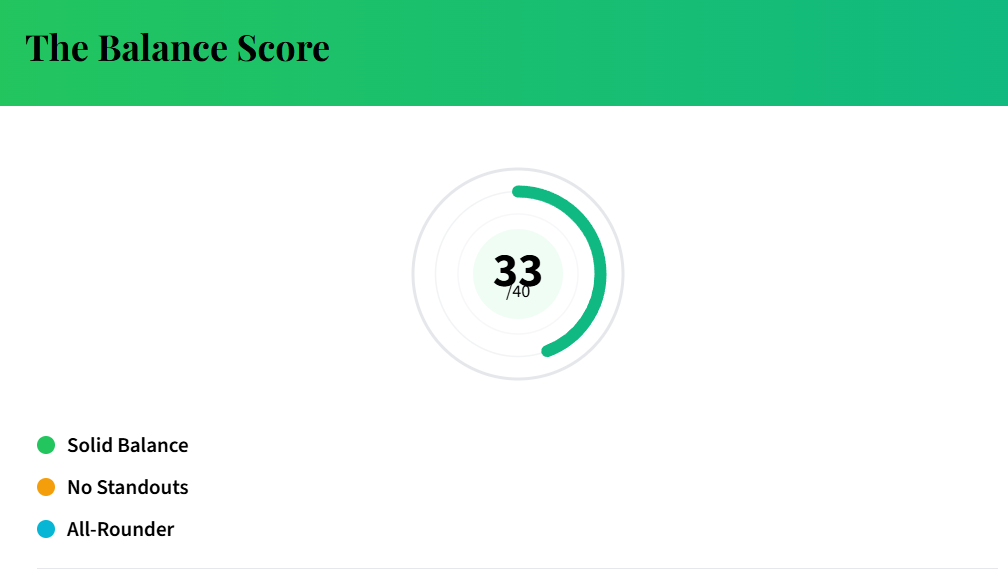
It hits the balance perfectly because while not the best in any of the four factors, it does well at all of them. Avignon scores 33 out of 40.
It is a solid middle-of-the-road option, but if you are willing to look closer to the border, the prices drop even further.
6th Place: Affordable Coastal Living
What if I told you that you could own a 1,500 square foot home with a backyard for only 250,000 euros? That is not an exaggeration; that is the exact price point we are seeing in Perpignan. This is officially the city for deal hunters.
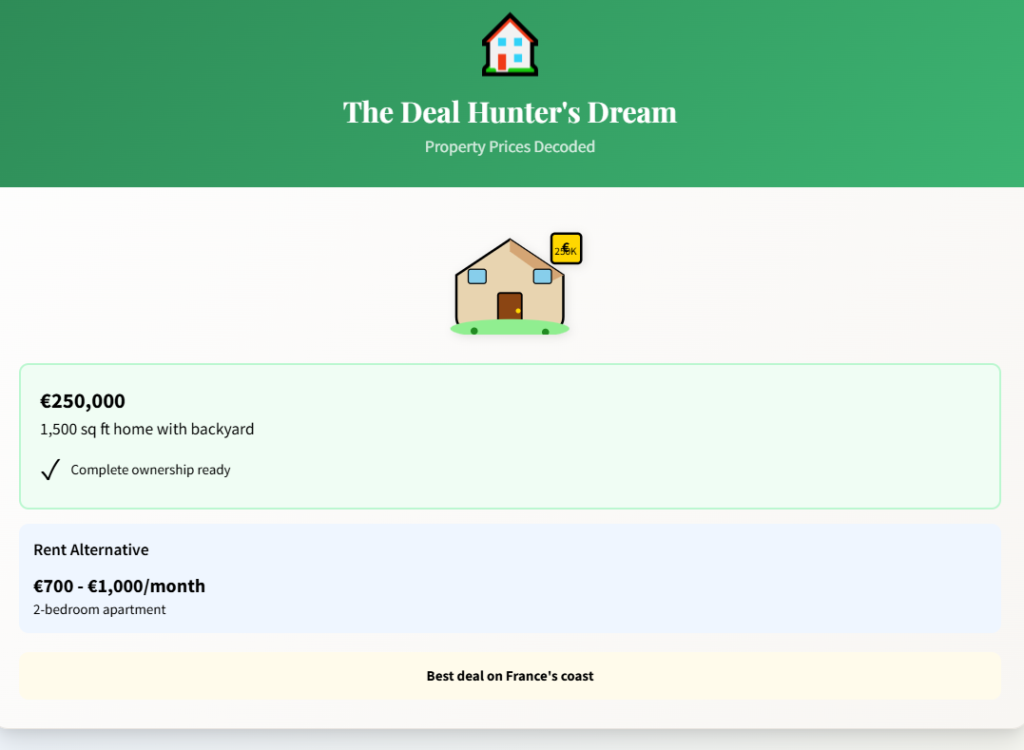
If you prefer to rent, a 2-bedroom apartment costs between 700 and 1,000 euros a month. These numbers prove Perpignan is one of the most affordable coastal options in the country, and your daily costs for groceries and services stay low too. This leaves you with a lot more spending money than you would ever have on the Riviera.
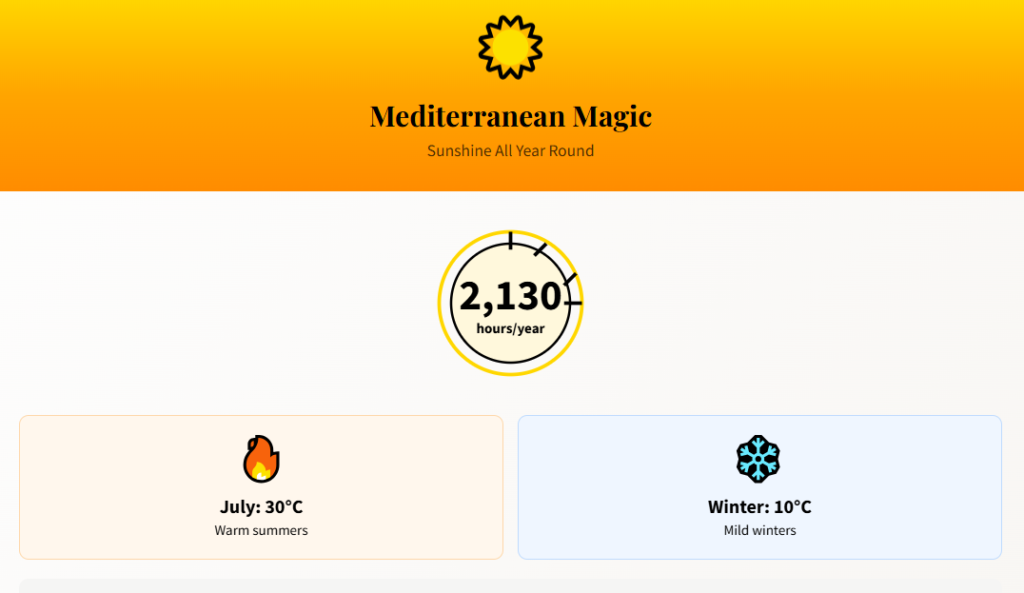
Here is what makes Perpignan so surprising: you get 2,130 hours of sun every year. July brings heat around 30 degrees, while winters stay mild and rarely drop below 10 degrees. You live right between the sea and the Spanish border, making it the perfect launchpad for exploring both France and Spain.
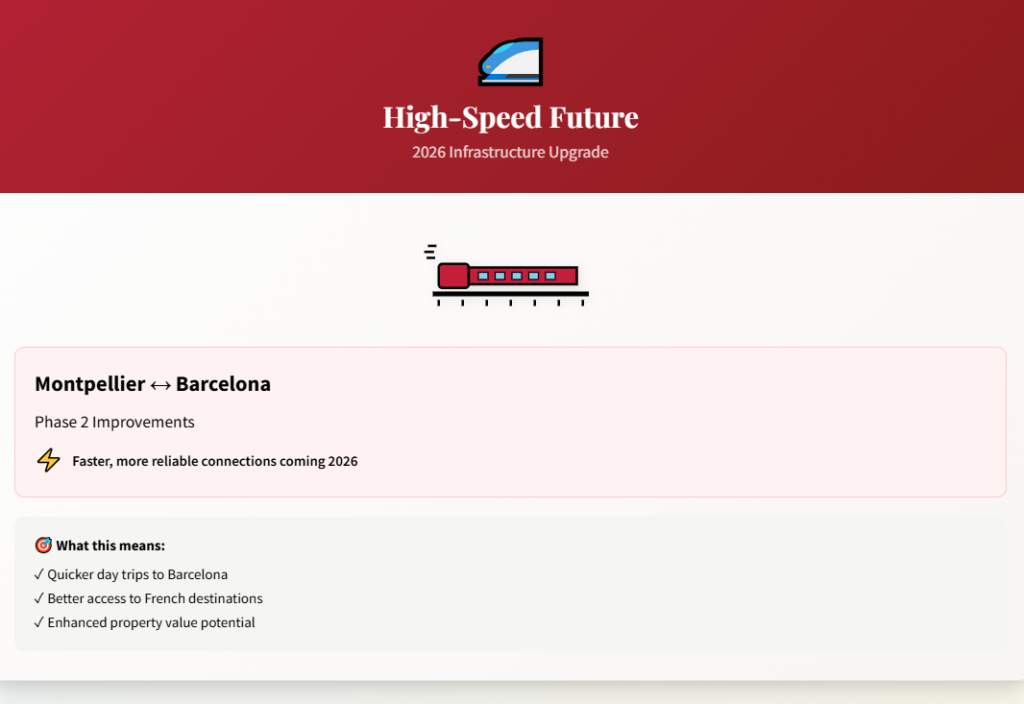
The infrastructure is actually getting a major boost right now. Phase 2 of the high-speed rail project is improving the tracks between Montpellier and Barcelona. This means your connections to Spain and the rest of France are getting faster and more reliable in 2026.
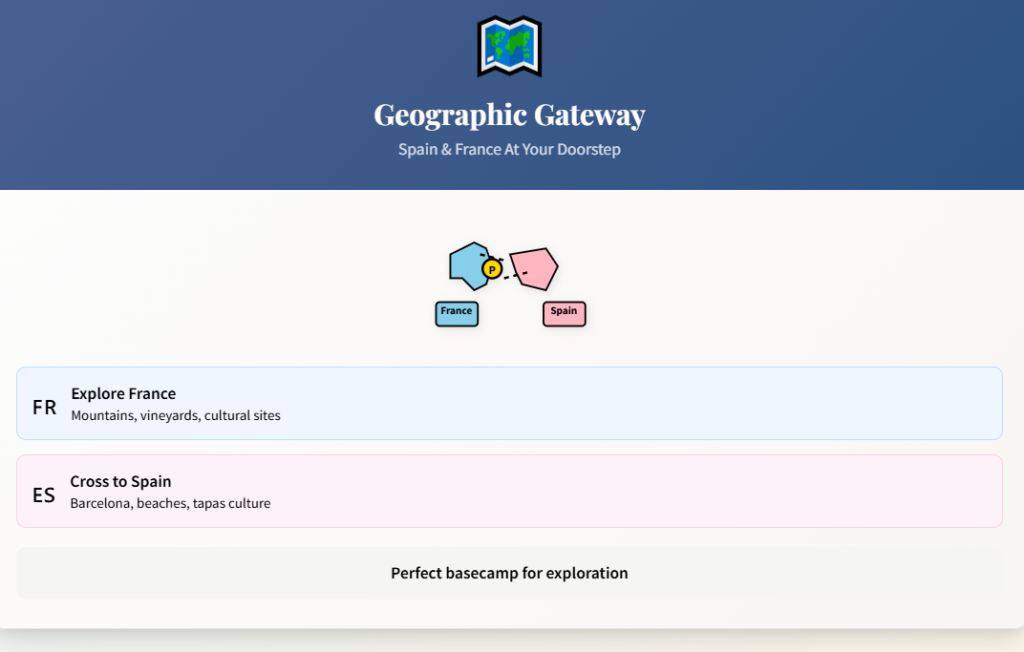
Now, there is a catch, because Perpignan is a mid-sized city with 150,000 people. It is much smaller than the heavy hitters at the top of our list, meaning the healthcare system has less density. You have a good regional hospital, the Centre Hospitalier Perpignan, but the city does not have a university hospital.
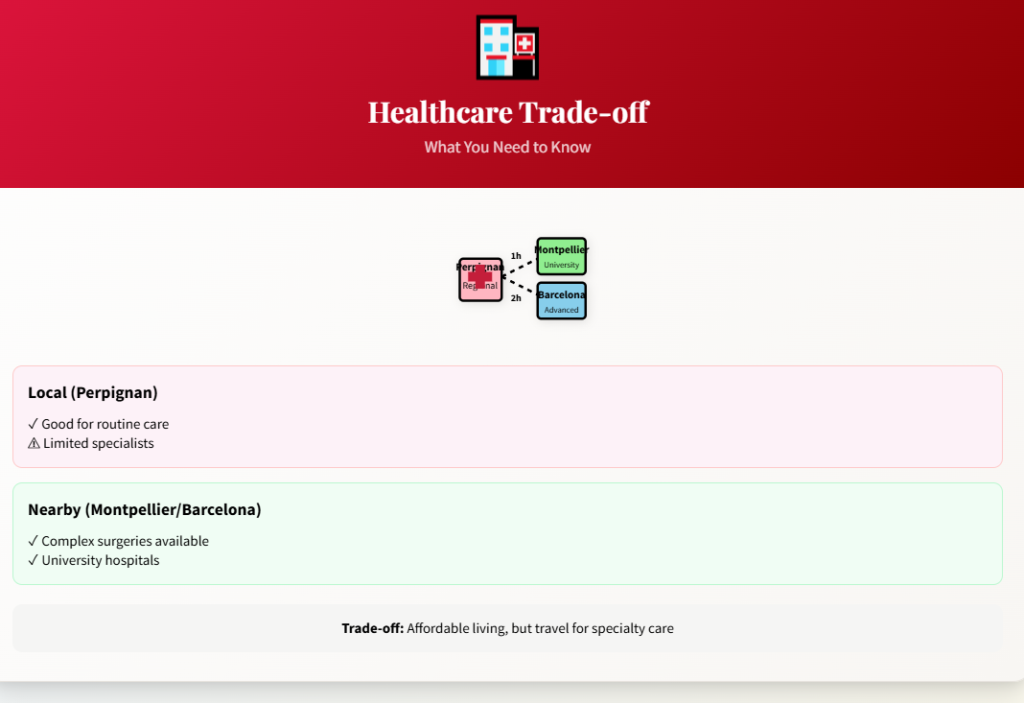
If you need complex surgery or a very specific specialist, you will likely travel to Montpellier or even across the border to Barcelona. Perpignan ranks sixth because it nails the cost of living and offers a real Mediterranean lifestyle for a bargain. It is an authentic place for expats who want to live like locals, but you sacrifice the safety net of a major medical hub nearby.
If you want a better balance of cheap living and high-end healthcare, we need to move closer to the mountains to our next city.

5th Place: The Mountain Gateway That Punches Above Its Weight
Pau is a city that frequently appears at the top of lists for international retirees because it offers a lifestyle that balances city services with mountain access. Real estate prices there are very reasonable and stay below the national average for regional capitals. You can find nice apartments for less than 18 dollars per square foot.
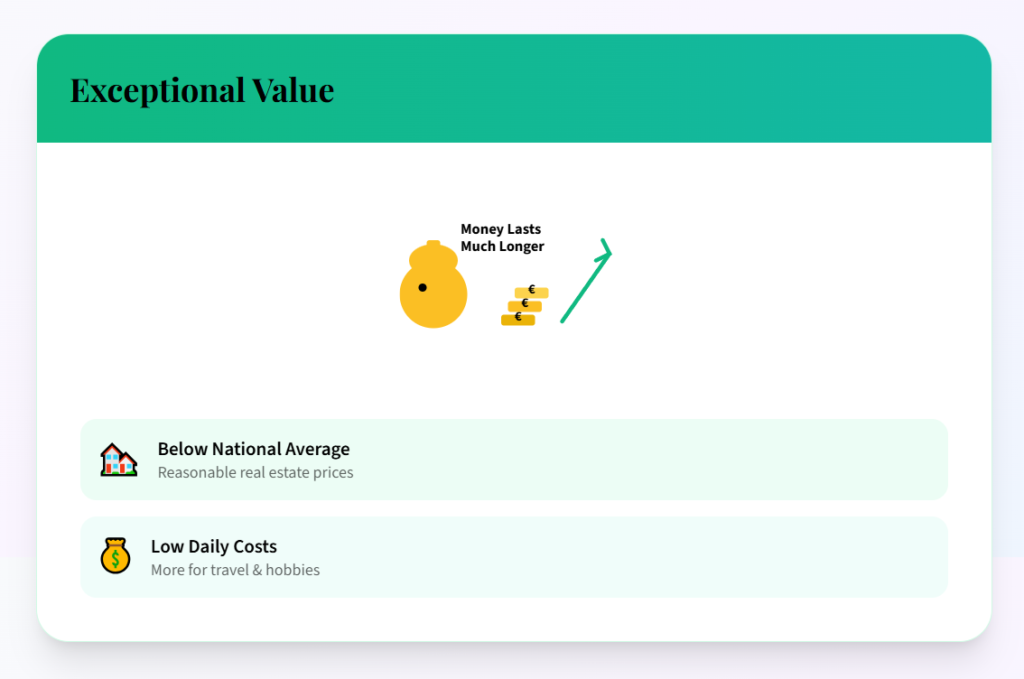
Even luxury retirement homes are priced competitively when you compare them to the expensive coastal markets. This means your money lasts much longer in Pau than it would in the more famous southern hubs. Despite the smaller size of this city, foreigners living there praised the lively atmosphere.
One expat told us:
“In Pau, public transport is easy and cheap. There are many music events in the summer to choose from, and the university offers lots of events and French language courses. And I have met nothing but friendly smiles.”
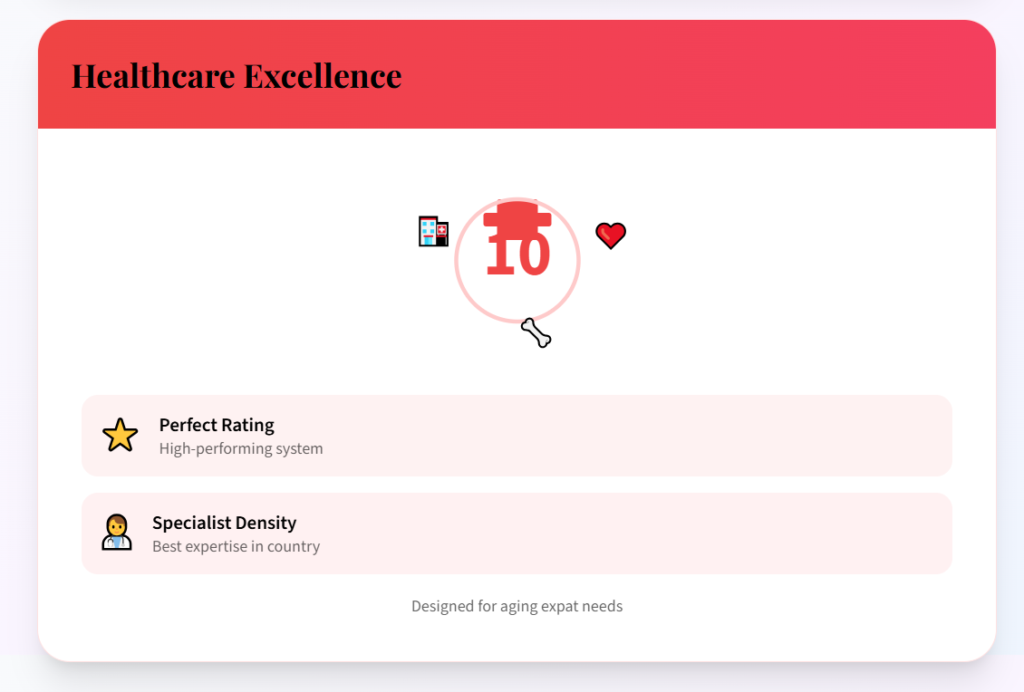
The city is famous for its medical facilities and a high density of specialists who work in a high-performing hospital system. It is specifically equipped to handle the needs of an aging expat population. If you need cardiac care or orthopedic surgery, for example, the local expertise is some of the best in the country.
This provides a massive safety net that you do not always find in smaller French towns. Infrastructure is another strong point for the city, as Pau has its own airport and access to the high-speed TGV rail lines. Its location gives you a unique profile for connectivity since you are 45 minutes from ski resorts and only one hour from the Atlantic beaches.

Inside the city, things are just as easy. The historic center is very walkable and the bus lines are efficient, so you can definitely live comfortably without needing a personal car. The weather is influenced by the mountains, creating a mild and humid climate.

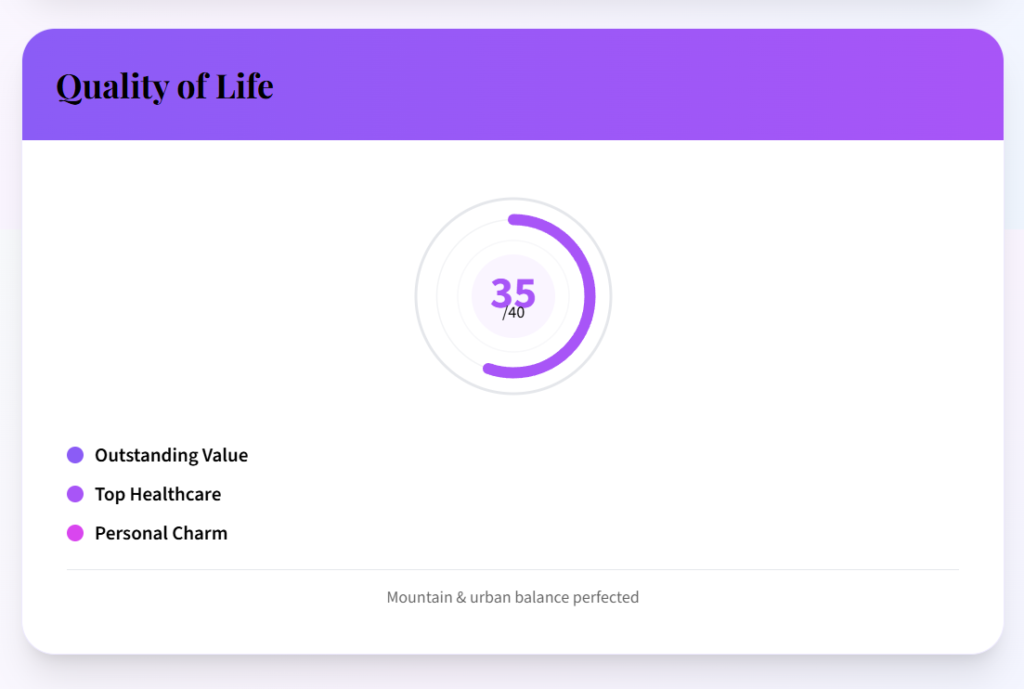
It benefits from the Föhn effect, which keeps the skies sunnier than the northern departments while avoiding the extreme summer heat of the lower Mediterranean coast. It is a temperate environment that many find more comfortable for year-round living. Pau delivers a high quality of life with a total score of 35 out of 40.
4th Place: The Premium Choice for an Aesthetic Lifestyle
Aix-en-Provence costs more, but you will understand why it still ranks this high on our list. The cost of living is slightly higher, but it reflects a place that attracts wealthy retirees. You are not getting a bargain in this city, but the quality is worth the price.
There is a reason people pay these prices, starting with the exceptional healthcare and excellent transport links. The city is located on a historic hospital base called the Centre Hospitalier Intercommunal Aix-Pertuis. It also has renowned private facilities like the Clinique Axium, which are very popular with expats for their specialized services.
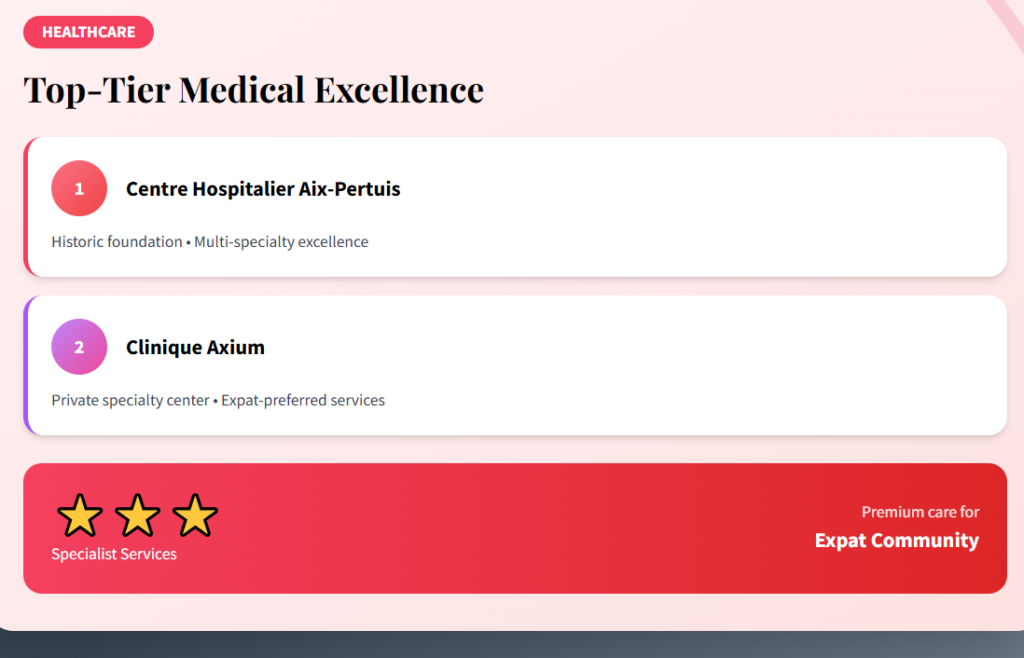
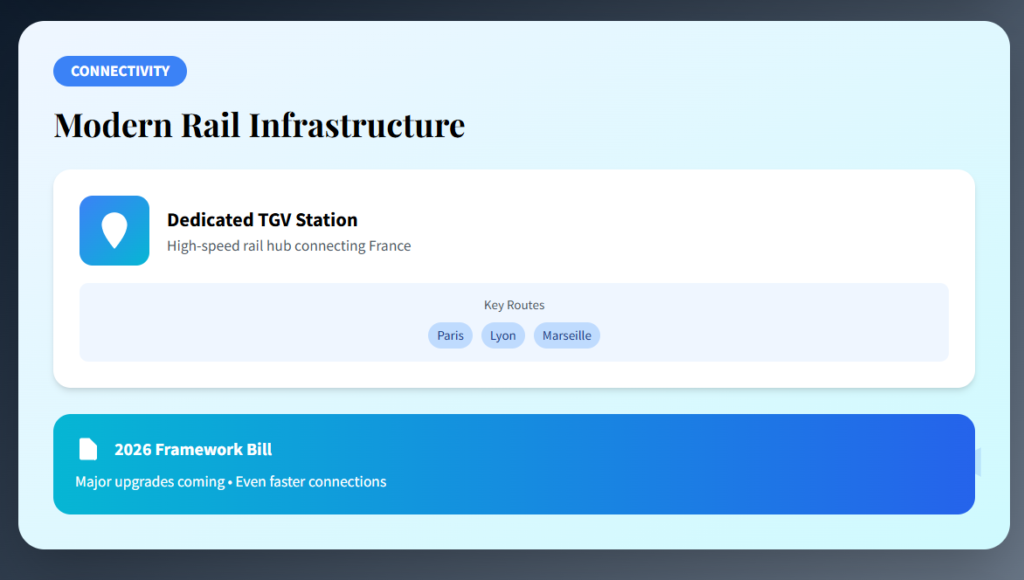
The healthcare quality there is top-tier. You also get a dedicated TGV station and rail infrastructure that is being upgraded because of the 2026 transport framework bill. These improvements make travel even faster.

The weather is classic Mediterranean, meaning you get near-continuous sunshine and a lifestyle that happens outdoors. Aix appeals to retirees who have done well financially and want to spend their money on quality of life rather than just saving money. The culture, the food, the architecture, and the social scene are all elevated.
If you are willing to spend the money for that, this city delivers. This is where our ranking shifts, as some other cities might beat Aix on pure value for money, but this city does not pretend to be a budget choice. It is a prestige choice that actually delivers the goods.
Unlike Bordeaux or Nice, you are not overpaying for just a name. You actually get what you pay for here. It is a sophisticated place that maintains a traditional pace of life.
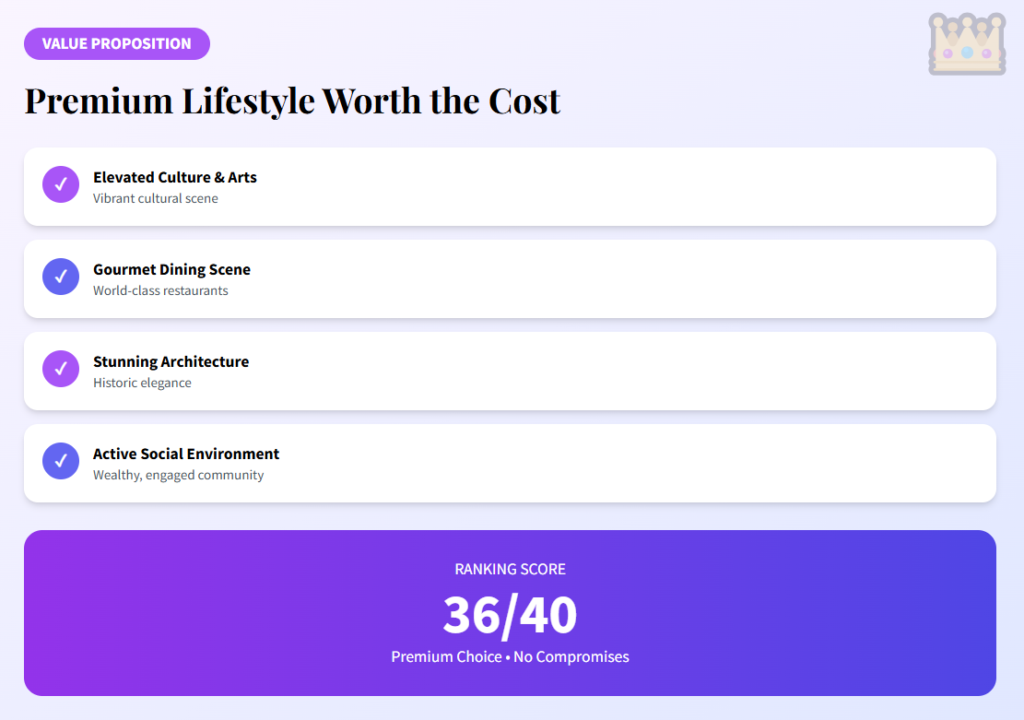
It provides a bright and active environment year-round with very low humidity. It finishes with an average score of 36 out of 40.
3rd Place: The Underrated Coastal Winner
Narbonne is the hidden gem people usually find after they have overspent on the Riviera. It is affordable, right on the coast, and highly accessible. It ranks third because it hits the sweet spot for budget and lifestyle.
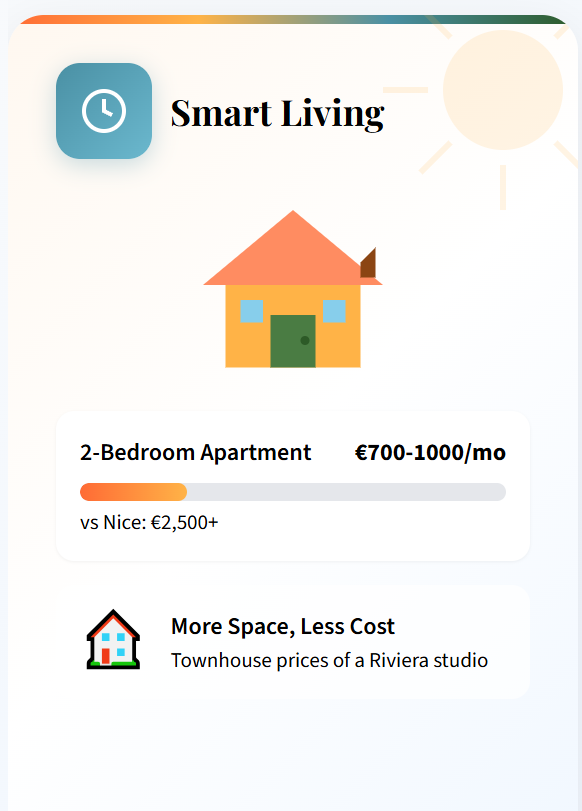
You can rent a two-bedroom apartment for 700 to 1,000 euros a month, which is a fraction of the cost you see in Nice or Bordeaux. In fact, for the price of a tiny studio in Nice, you can often find a large townhouse here. The property market is open and accessible.
You get an authentic southern life without the inflated prices found in saturated markets. Narbonne sits on a major rail junction that connects you to the Mediterranean high-speed line. This puts you on the track to Barcelona, Marseille, and Paris.
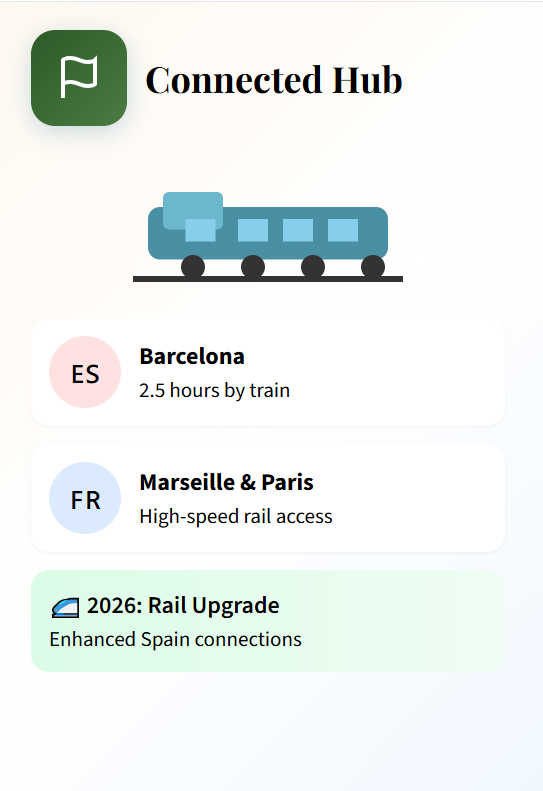
Phase 2 of the rail upgrades is coming in 2026, which makes the regular service to Spain even more reliable. Healthcare is another area where the numbers work in your favor. Narbonne does not have its own university hospital, but it has a highly regarded regional hospital.
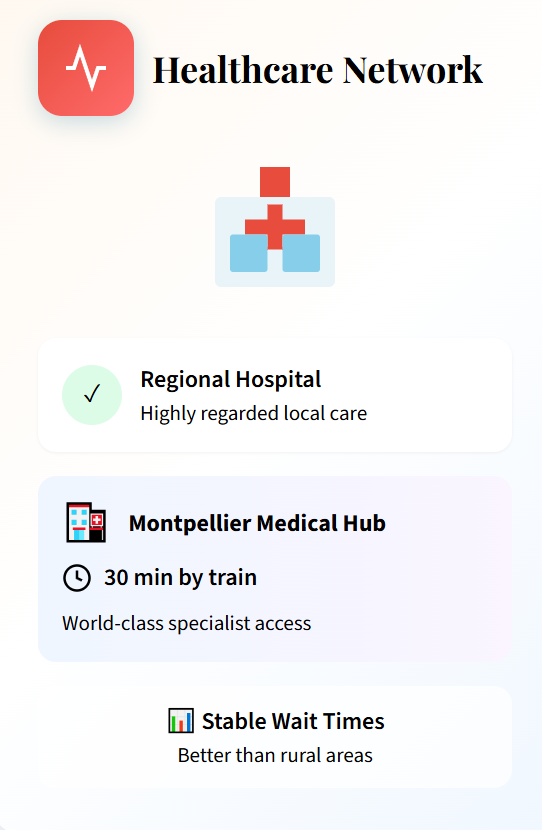
Here is the key factor: Montpellier is only 30 minutes away by train. This gives you easy access to one of the best medical hubs in the world. You are not isolated, as you have a safety net for complex medical needs while enjoying a lower cost of living.
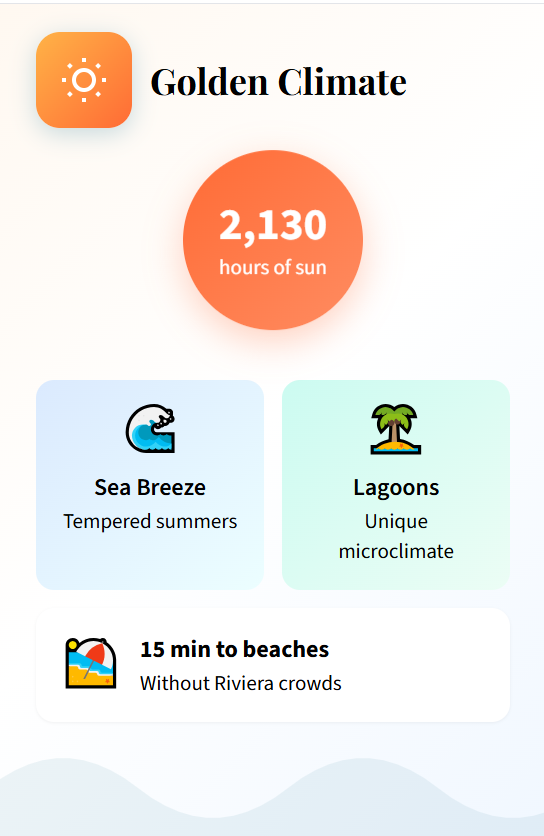
The proximity to the sea keeps the summer heat from getting too brutal, and the lagoons create a unique local climate. You get on average 2,130 hours of sun per year.
This is how a local described the city to us:
“Narbonne is a very nice town. It has an international train station meaning that you’re just 2.5 hours away from Barcelona (if you are like me and hate the Paris CDG Airport, this is amazing). Real estate is cheap, life is cozy and feels premium, food and wine is good, locals are friendly, and you are just 15mins away from beaches.”
So for anyone seeking a seaside lifestyle that does not break the bank, Narbonne is a massive win. It masters the balance between low cost and high-quality access to care. Narbonne finishes with a total score of 37 out of 40.
Now let’s look at the city that most expats think is the winner but isn’t.

2nd Place: The Tech Hub That Actually Delivers Value
Toulouse is the city that most people overlook because they are too busy looking at Paris or the coast. It is a cosmopolitan hub with a massive international community and a fast economy. It holds a second-place ranking because it gives you almost everything our winner does but with more urban energy.
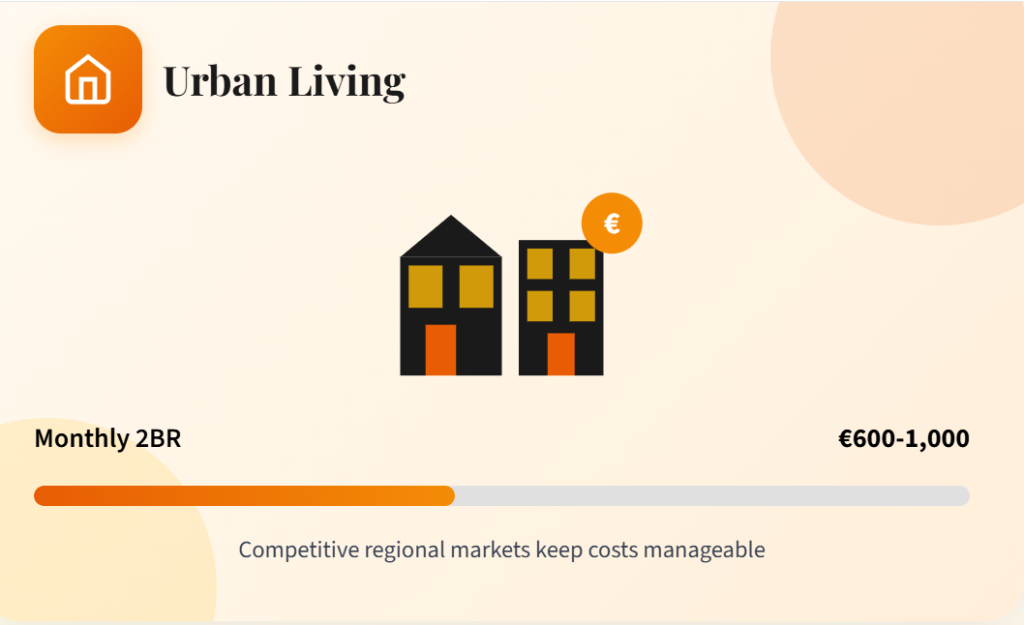
The rent is affordable for a city of this size, as two-bedroom apartments run between 600 and 1,000 euros a month. That is a lower price than you find in Montpellier. Property prices stay stable, which creates a safe financial path for retirees.
The healthcare in Toulouse is world-class. The CHU de Toulouse is located there and it is known as one of the top hospitals in Europe for innovation. Because of the aerospace industry and companies like Airbus, the city has a huge expat population.

This creates a high density of English-speaking medical professionals in almost every specialty. The infrastructure is being modernized in real time, proving the city is not frozen in time but is actually investing in itself. The metro is expanding right now.
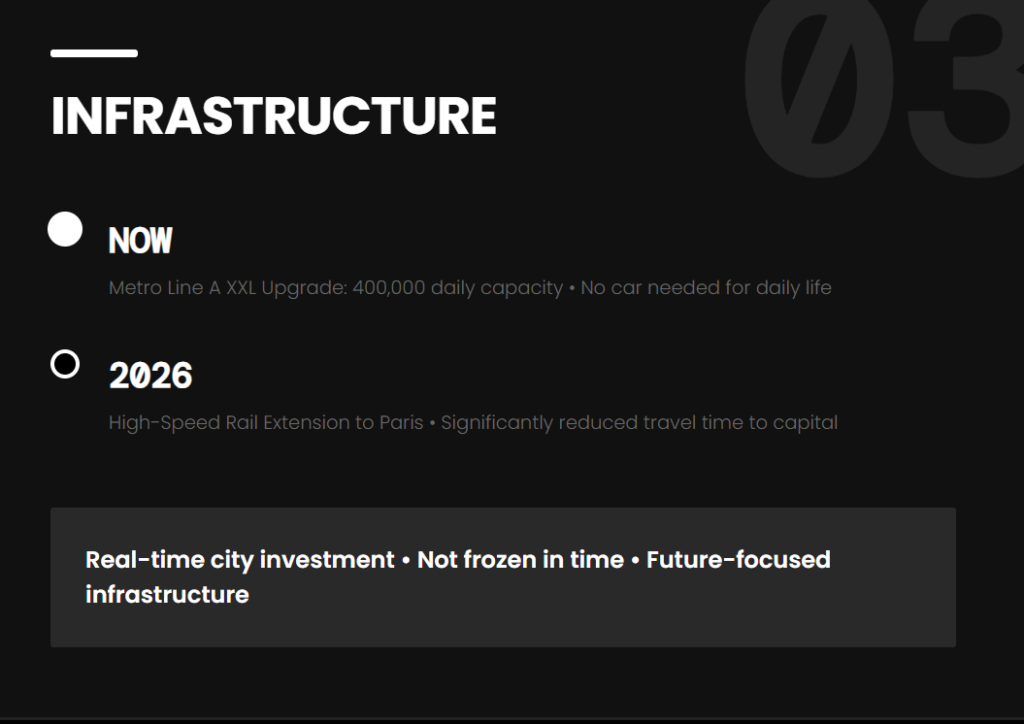
Line A is getting an XXL capacity upgrade designed to handle 400,000 passengers every day. A high-speed rail extension to Paris is coming by 2026, which will cut travel times to the capital significantly. You can live a full life here without a car.
Toulouse gets about 2,038 hours of sunshine a year. It is less than some coastal cities, but it is still a lot of light. The city is vibrant, full of events, and features a young population alongside a massive tech scene.
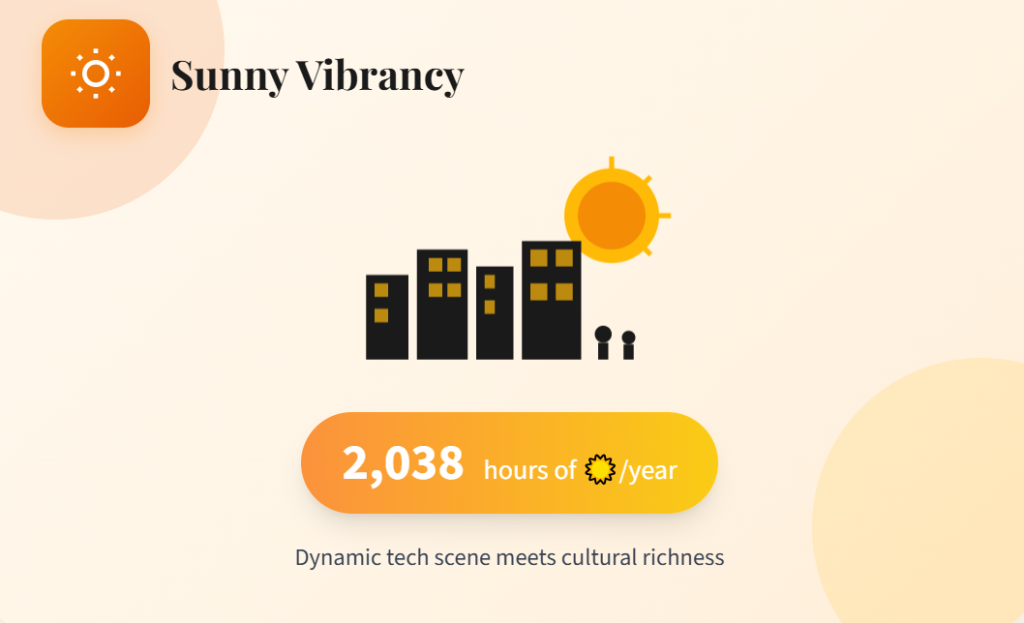
You will not be bored living here, as it offers a lively atmosphere that smaller towns just cannot match. Toulouse takes second place because you get big-city perks without the massive price tag. You get top-tier doctors, expanding trains, and stable housing prices.
It works well for retirees who want a bit of a buzz around them and an international feel. It is a city that punches way above its weight for value, earning a final score of 38 out of 40.
But there is one city that still beats it for the top spot.

1st Place: The Best City to Live and Retire in France in 2026
Montpellier is the winner. It is not number one because of fame or a vacation vibe. Furnished one-bedroom rents range from 765 to 1,060 euros, and two-bedroom units start around 1,100 euros.
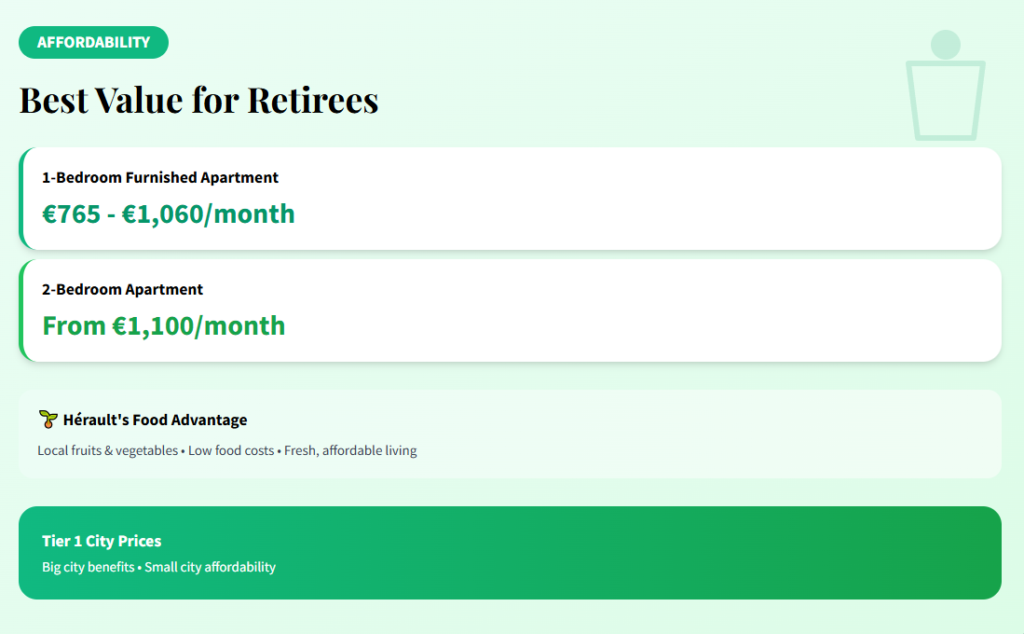
While Toulouse or Perpignan might beat those specific rent numbers, Montpellier gives you more for that money. Food costs are low because the Hérault area produces a massive amount of local fruit and vegetables. This keeps your daily life affordable while you live in a Tier 1 city.
Healthcare is where this city really pulls ahead, matching world standards for medical access. The university hospital system is one of the oldest and densest in Europe. You have multiple major sites like Lapeyronie and Saint Eloi reachable by a quick tram ride.
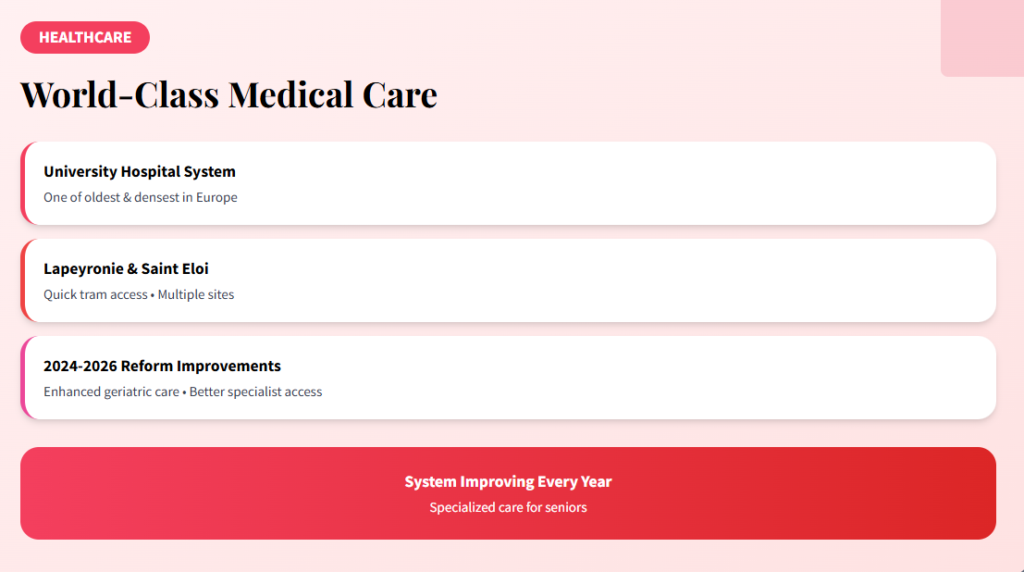
For a retiree, the 2024-2026 National Medical Convention reforms are a big deal. These changes specifically improved geriatric care and specialist access for older residents. You are not just getting a doctor; you are getting a system that is actually getting better every year.
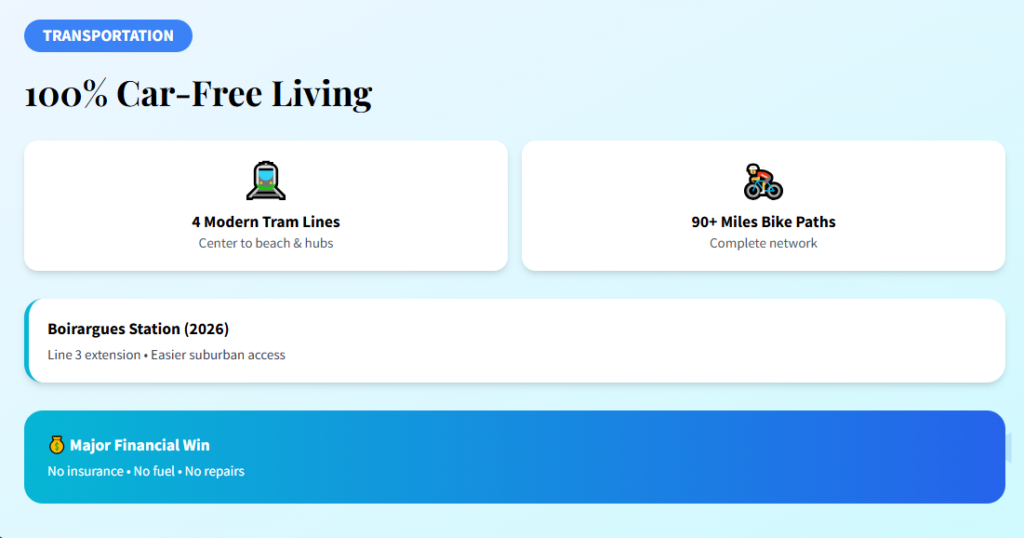
Montpellier just knows how to do public transit right. You have four modern tram lines that connect the historic center directly to the beach and business hubs. In 2026, the new Boirargues station opened, which makes living in the suburbs much easier.
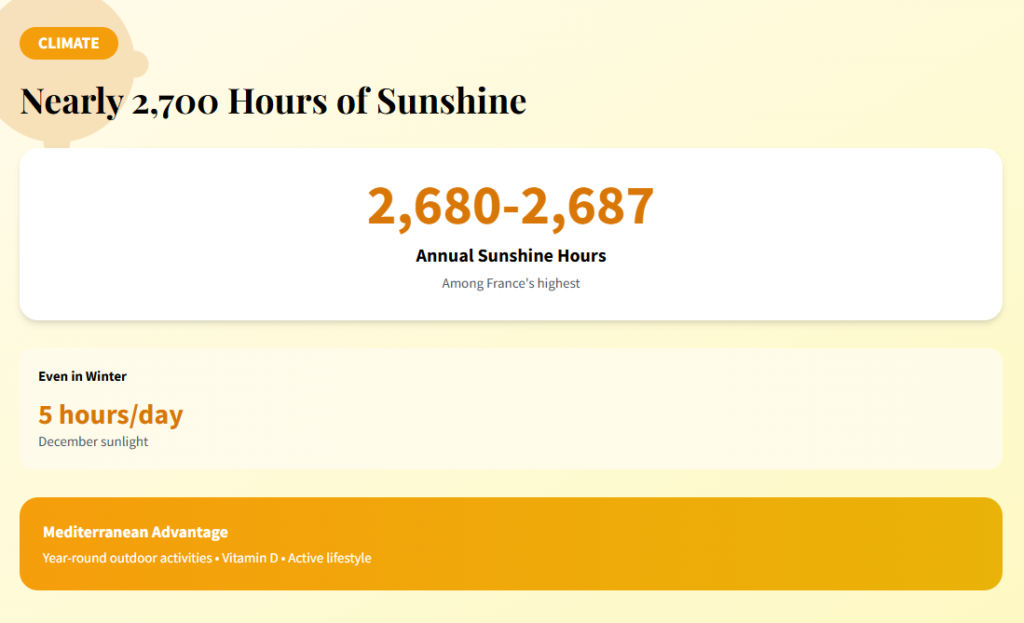
You have over 90 miles of bike paths too, meaning you can live a 100% car-free life here. You get between 2,680 and 2,687 hours of sun every year, which is among the highest numbers in France. Even in December, you get nearly five hours of sunlight a day.
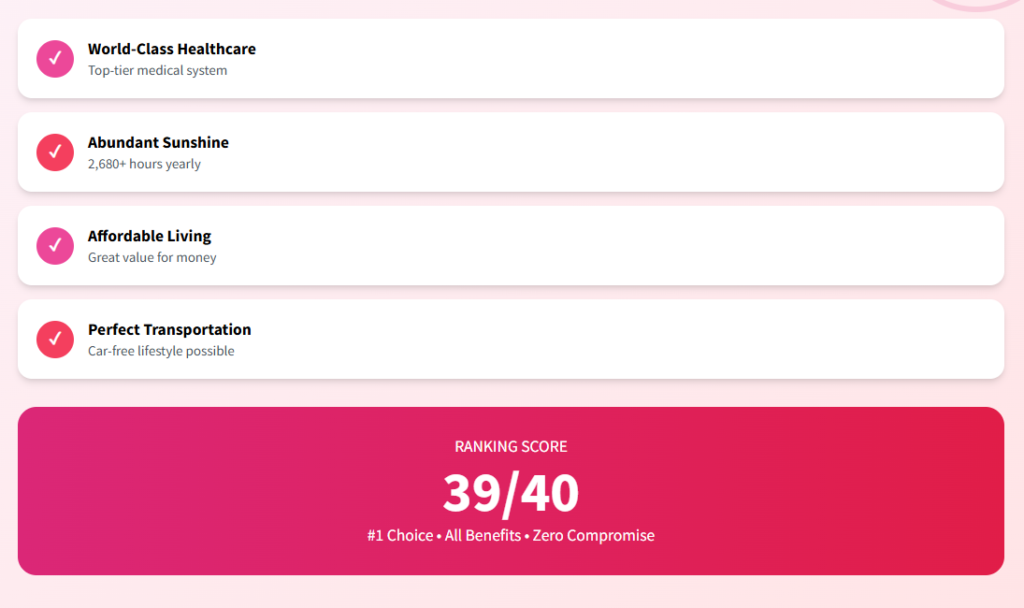
You do not have to pick between good doctors and good weather, or cheap food and fast trains. Montpellier delivers all of it at once. It scores 39 out of 40.
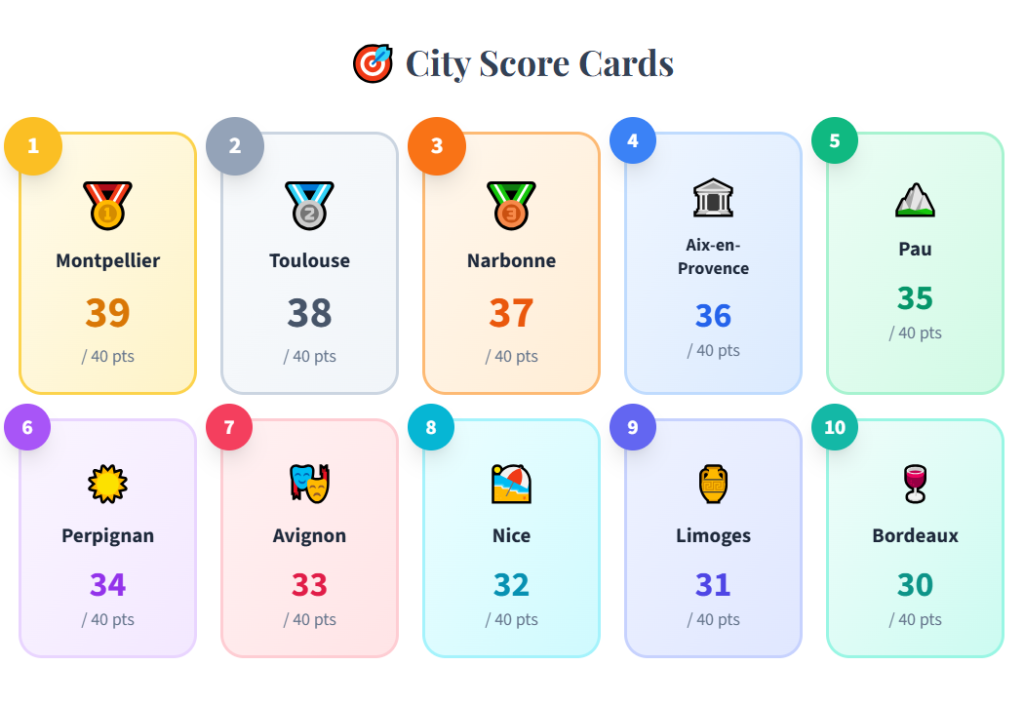
Now you know what the 10 best cities to live in France in 2026 are, but discover here the untold obstacles foreigners who moved to France need to face.
And join my Patreon for all the sources, charts, and maps from our articles, plus a chat, so I can answer your questions. Tier 2 includes my top three eBooks on living and retiring abroad—scan the QR code today!
Levi Borba is the founder of expatriateconsultancy.com, creator of the channel The Expat, and best-selling author. You can find him on X here. Some of the links above might be affiliated links, meaning the author earns a small commission if you make a purchase.