Do you feel like $30,000 a year is enough just for survival mode in the US?
You’re not alone — in most of America, it really is.
This amount leaves you struggling in nearly every state, but in several European capitals, the same $30,000 a year lets you live like you’re earning $120,000 back home.
I’ve lived in Europe for nearly a decade and for a good time, I have done it spending less than $2,500 a month. I achieved this while eating out regularly, spending summers on Mediterranean islands, and taking ski trips in the winter.
This life is realistic for you too, if you choose the right city.
Today, you’ll discover 8 European capitals where $2,500 a month lets you live like the 1% – but none of these cities are perfect.
- One has amazing weather but feels far from everything.
- Another is incredibly cheap, but the infrastructure will test your patience.
- The biggest pro is that, in one of these cities, there’s a massive tax incentive waiting for you.
And that is exactly why this ranking matters.
The Criteria to Define The Cheap Places to Retire in Europe
- Factor one is Quality of Life, using the national Human Development Index (HDI) as our proxy for how well basic systems work.
- Pillar two is Cost of Living: how far $2,500 stretches if you rent a place in a good area, pay for a gym, have holiday travels, and still have room for extras.
- Factor three is Weather: We reward sunshine, milder winters, and fewer gray months.
- Pillar four is Taxes on foreign capital gains, assuming $30,000 a year.
A surprise: a capital that looks expensive turns cheaper than others since they have zero taxes.
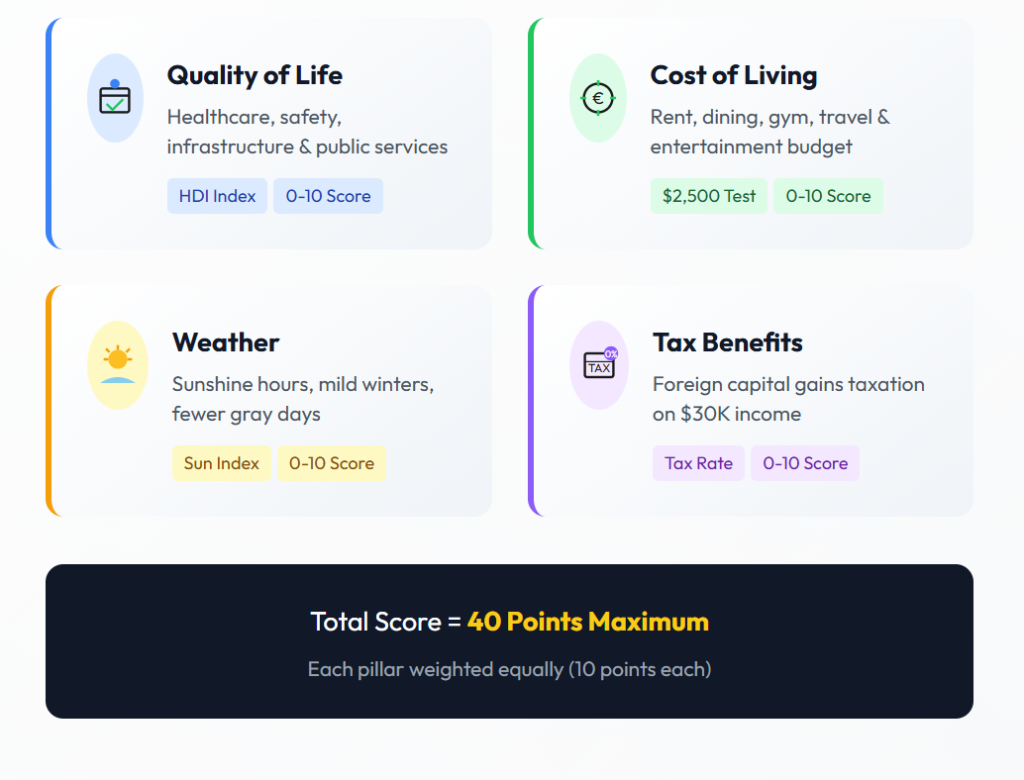
Each pillar gets a grade from 0 to 10, and we rank the city based on the sum of these 4 factors.
8 – Tirana (The Albanian Capital)
We need to end one myth: Albania’s ‘super cheap’ era is officially over, especially in Tirana.
You still get a Mediterranean-leaning routine there, with people outside late and a city rhythm that rewards walking, cafés, and short meetups instead of long drives.
The price curve moved, and recent reports flag Tirana as the most expensive capital in its region for some basic items. The Albanian lek has strengthened against the euro and the US dollar in the last two years, meaning foreign income buys less than it did previously.
Albania’s HDI is 0.810, which puts it toward the lower end of Europe. You can see that outside the city center and affluent districts, the infrastructure still needs to develop, as summer power or water outages still happen.
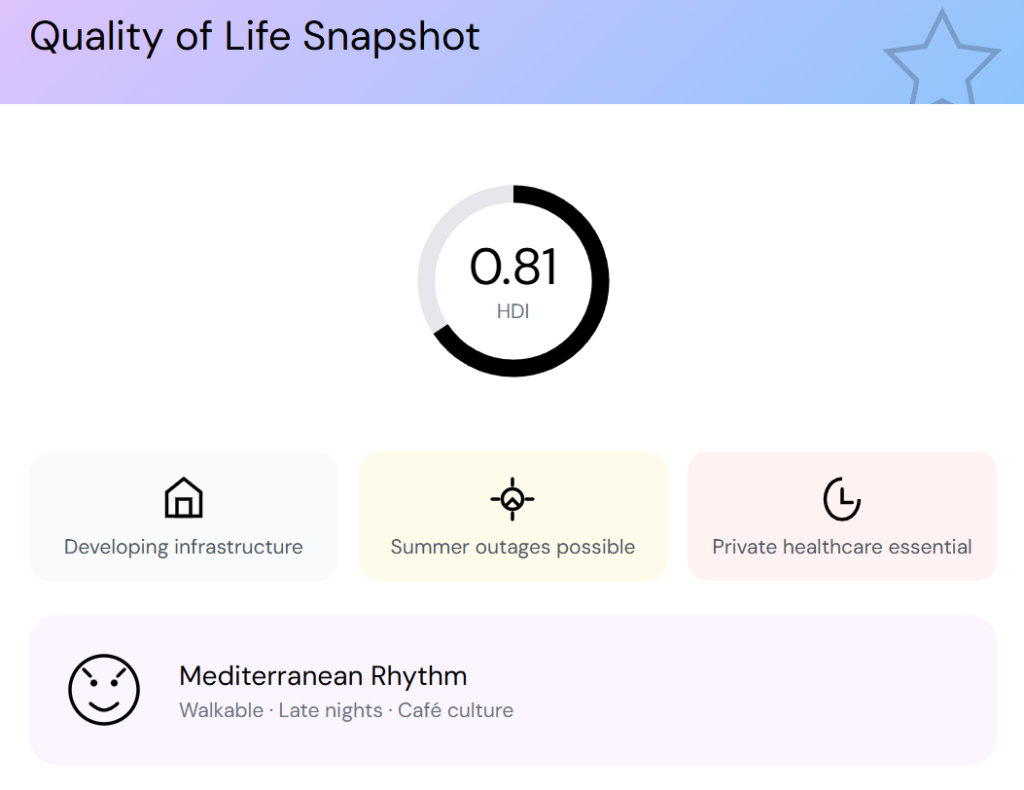
Public healthcare is not reliable, so most expats treat private care and proper insurance as non-negotiable. I’ve already ranked 27 European countries based on their medical systems in a separate article—read it to save yourself the stress.
If you want a modern two-bedroom apartment, it will cost you between €500 to €700 ($830) a month. This means less than 1/3 of your budget will go for housing, which is a very healthy percentage compared to large American cities.
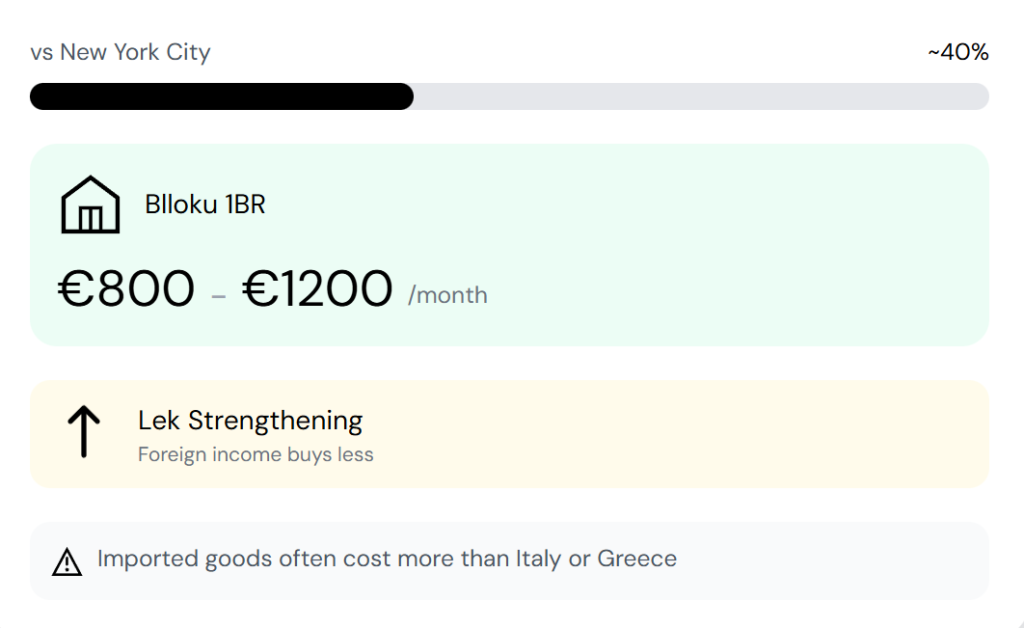
Your “extra” budget shrinks once you add private healthcare, imported items, and a travel habit. Some goods cost more than in the US because the market is less efficient.
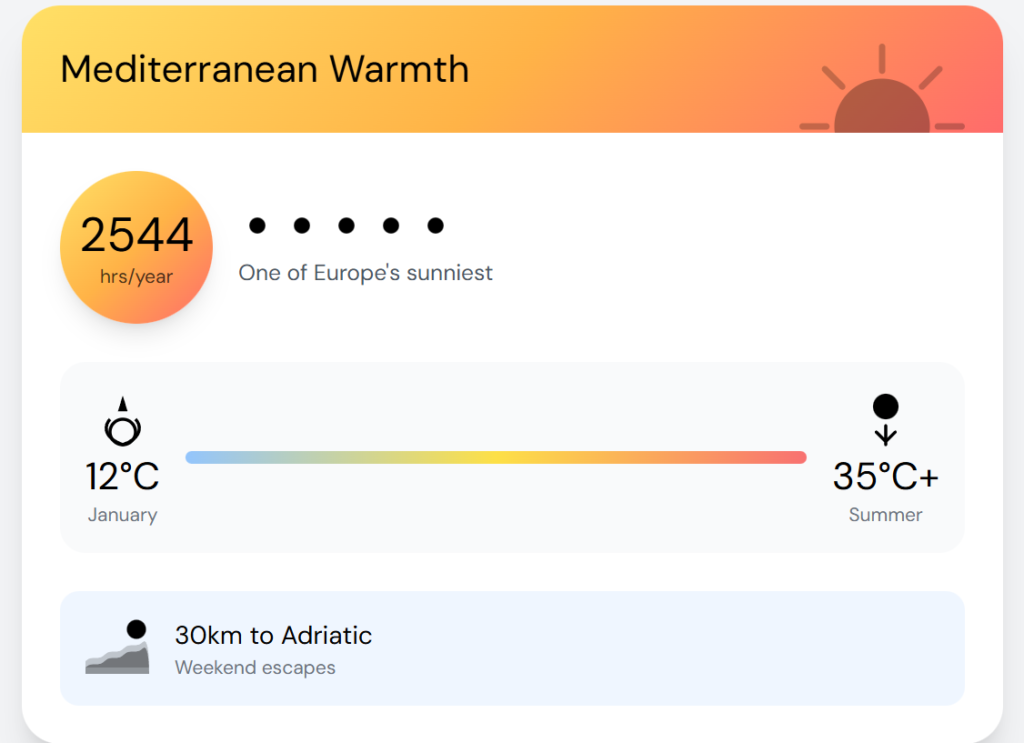
Sunlight is Tirana’s secret weapon, as the city is around 30 kilometers from the Adriatic. Winters are mild, snow is rare, and there are 2,544 hours of sunshine per year on average.

Summers are warm, which is why weekend beach escapes become part of the routine. Albania applies a 15% capital gains tax, which on $30,000 a year leaves you with $2,125 net after paying $375 a month in tax.
| Pillar | Score |
| Quality of Life | 3 |
| Cost of Living | 5 |
| Weather | 8 |
| Taxes | 5 |
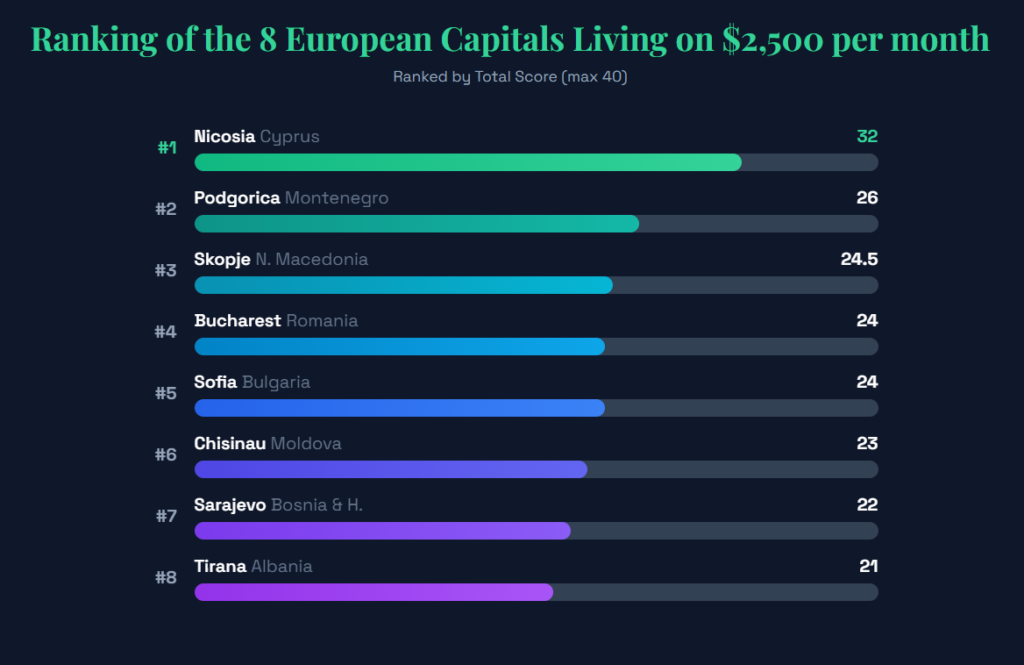
| Total Score | 21 / 40 |
7 – Sarajevo (The Bosnian Capital)
In Sarajevo, on $2,500 a month, you can rent a large apartment, eat out often, and pay for cleaning, rides, and small home services without watching every bill.
However, Sarajevo has a cost you don’t see on a rent listing: winter air.
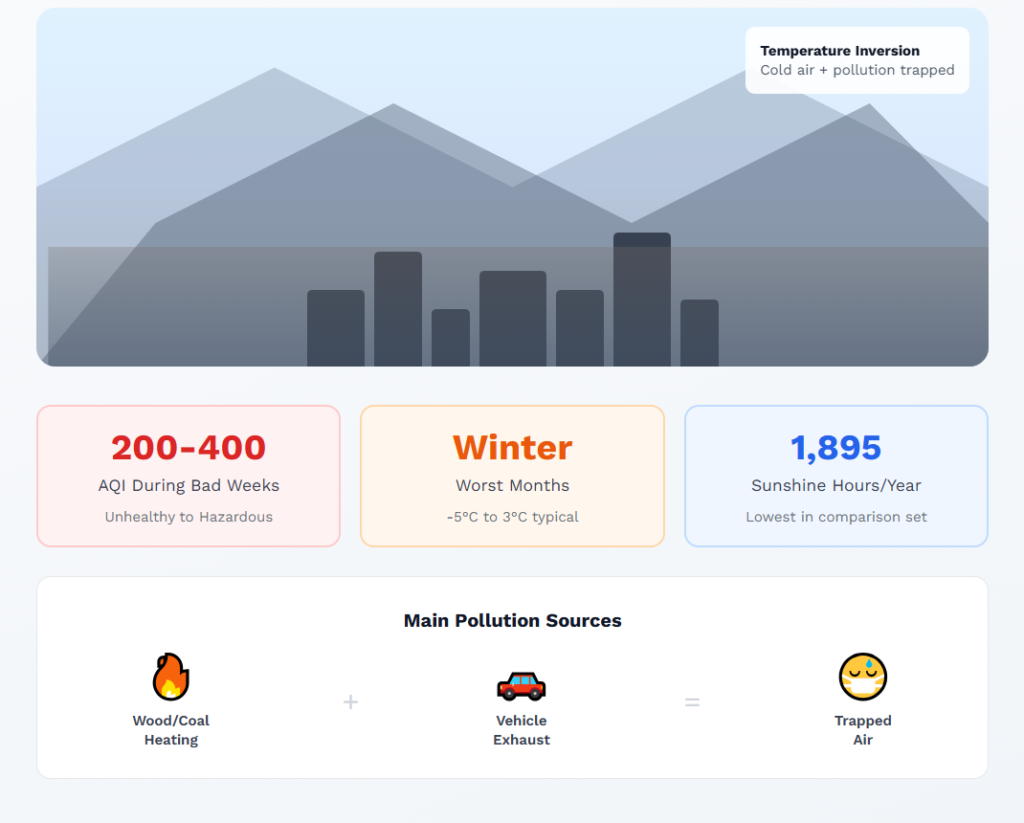
The city is located in a deep valley, and during cold months, temperature inversions trap pollution from wood and coal heating plus vehicle exhaust close to street level. During bad stretches, the Air Quality Index can hit 200 to 400 for weeks, meaning you stay indoors more and need an air filter.
Bosnia and Herzegovina’s HDI is 0.804, which is low for European standards. Some of the infrastructure feels dated, so expats should budget for private care and good insurance because the quality of public services can vary.
Cost of Living is the strongest point of Sarajevo by far. Its cost of living index is about 31.6, which puts it among the cheapest capitals in Europe and noticeably below places like Belgrade or Tirana.

You’ll likely find that rent and utilities eat up less than 25% of your income even in good areas. A renovated apartment will cost around €500 to €600 per month, and a top-tier dinner with wine often stays under €30 per person.
Day-to-day prices are far below Western Europe and also cheaper than most regional peers like Zagreb. Sarajevo has long, cold winters and not much sunshine during a big part of the year.
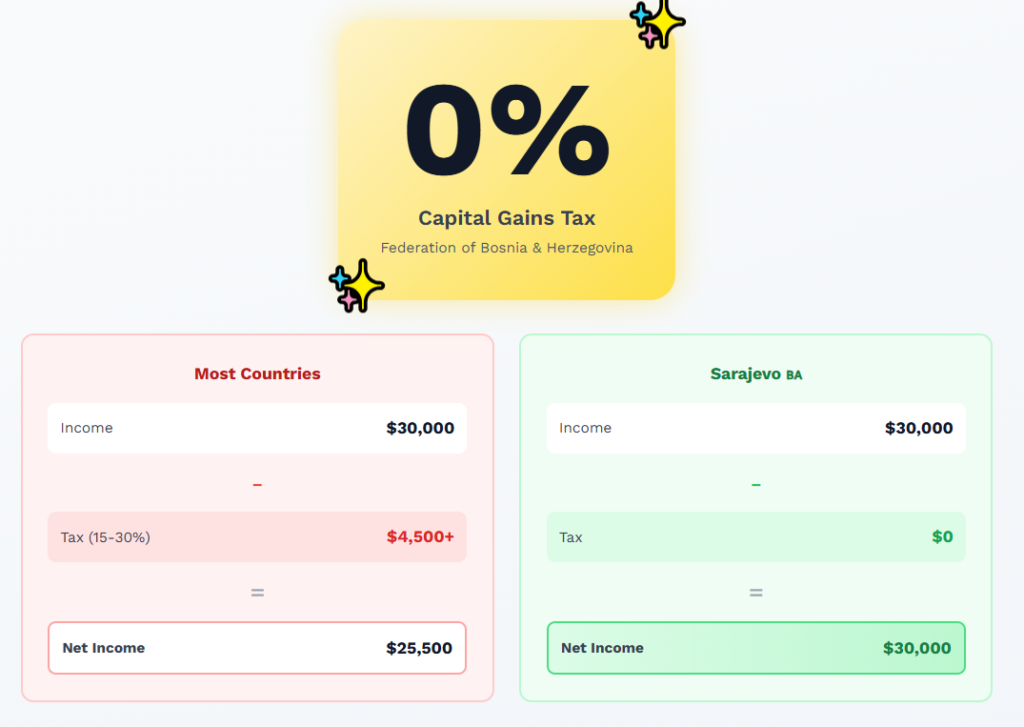
The Bosnian capital has a massive advantage in its tax code. In the Federation of Bosnia and Herzegovina, under the FBiH Law on Income Tax, individuals can pay 0% capital gains tax.
Because of the 0% capital gains rate, every cent of that $30,000 stays exactly where it belongs: in your pocket.
| Pillar | Score |
| Quality of Life | 2 |
| Cost of Living | 8 |
| Weather | 2 |
| Taxes | 10 |
| Total Score | 22 / 40 |
If you want to turn these numbers into your reality, join our Patreon. For the price of a coffee, you’ll get specialized monthly reports, a key-info PDF of the content we publish, and access to contacts and discounts that might save you thousands of dollars when you go abroad.
6 – Chisinau (The Moldavian Capital)
Coming in at number six is Chisinau—the winner for affordability.
The Cost of Living Index of Chisinau is just 34, the lowest in this ranking.
A modern 3-room apartment in a premium location costs less than €700. Moldova’s HDI is 0.785, the lowest among the countries in this ranking, which you notice when you need systems to work on schedule..
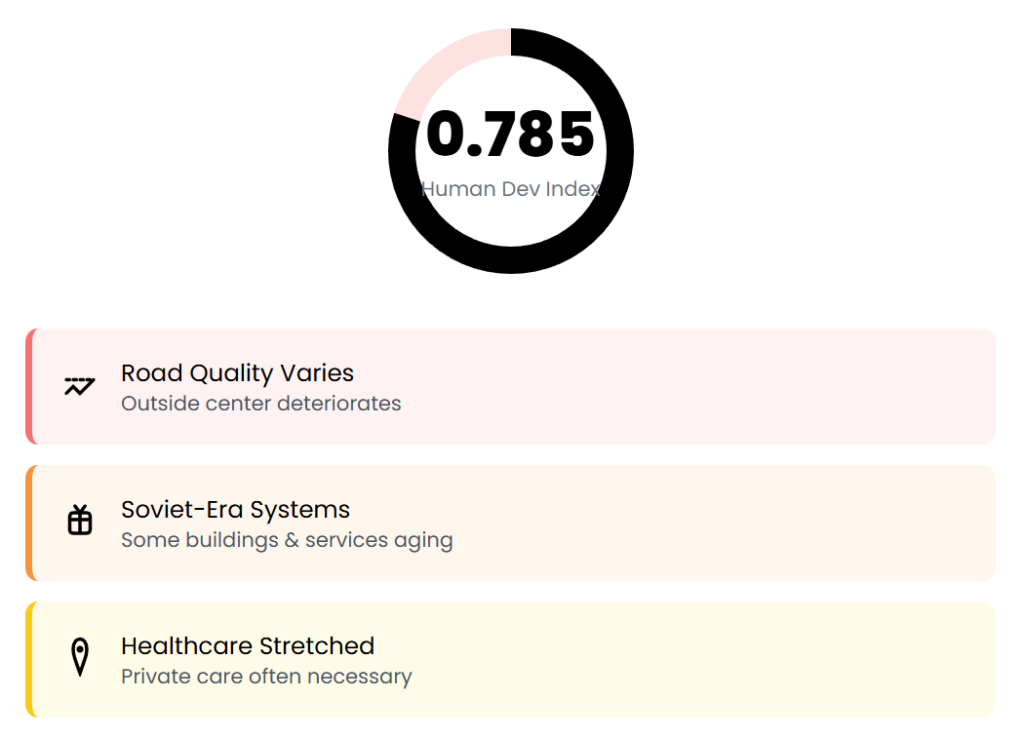
Outside central areas, road quality drops and some buildings still run on aging Soviet-era infrastructure. Many people pay out of pocket to access better doctors and faster care, which is fine on a $2,500 budget.
On pure affordability, Chisinau gets the top score. You can easily afford regular dining out, home cleaning, private medical visits, and services like private drivers and personal trainers while still having money left for travel.
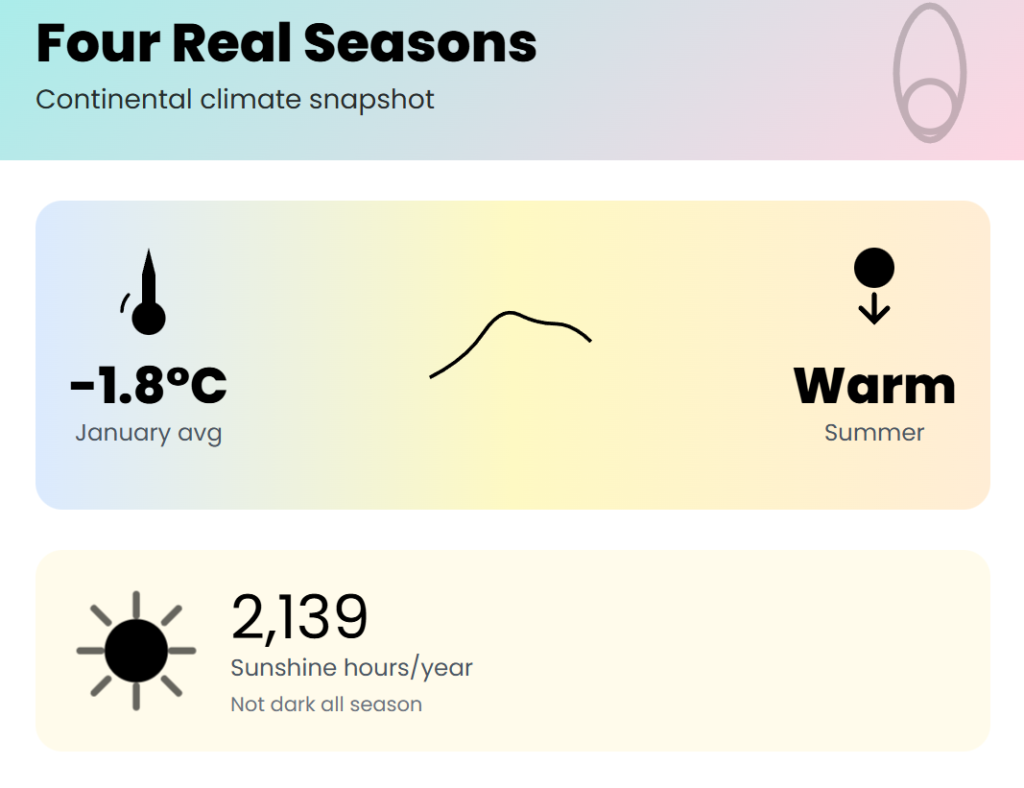
Groceries are also cheap, especially fresh produce. The climate is continental with January averaging around -1.8°C, so you should expect real winter weeks.
Sunshine totals about 2,139 hours per year, which keeps it from feeling dark all season. Summers are warm and easier.
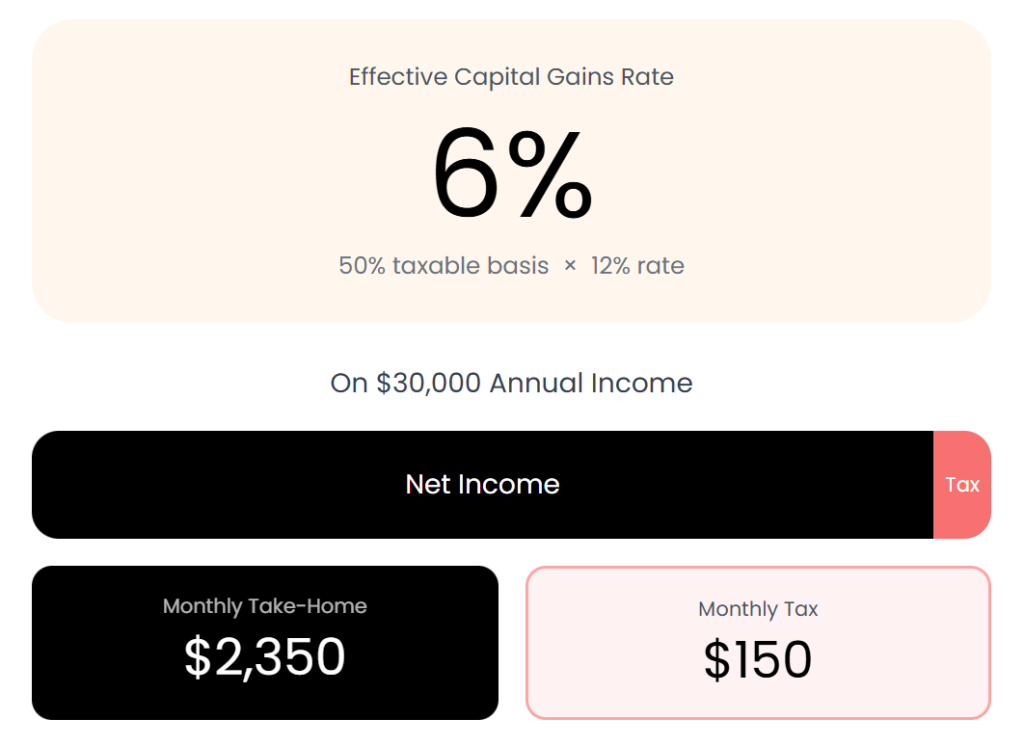
For individuals, only 50% of the capital gain is taxed at a rate of 12%, creating a 6% effective rate. This means you’re only paying $150 a month in taxes.
One more factor: you also need to price in geopolitical risk, including proximity to the conflict in Ukraine.
| Pillar | Score |
| Quality of Life | 0 |
| Cost of Living | 10 |
| Weather | 5 |
| Taxes | 8 |
| Total Score | 23 / 40 |
5 – Sofia (The Bulgarian Capital)
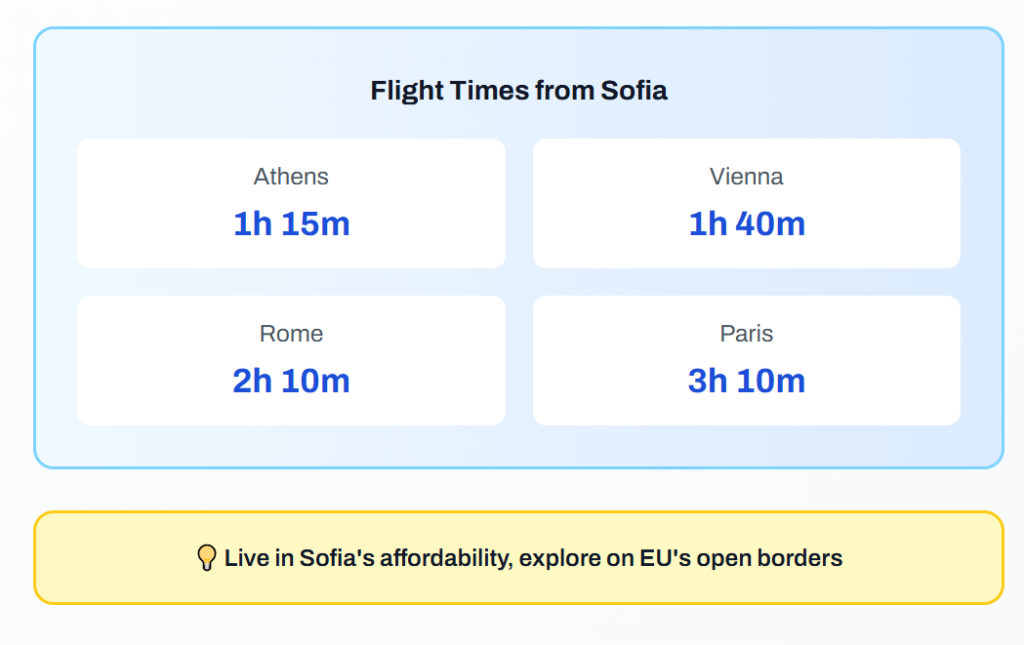
In Sofia, you get EU Schengen access and paperwork that stays predictable.
Schengen access is a big plus, and I tell you that from my own experience.
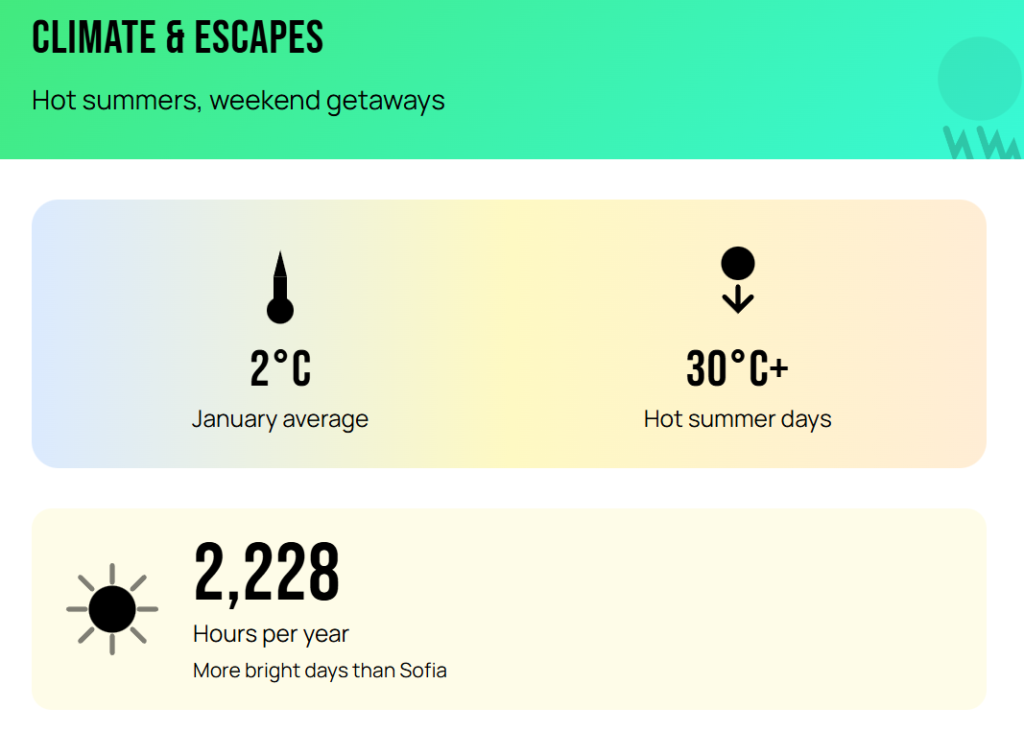
Sofia does not have anything close to Mediterranean weather. At 550 meters, it has an altitude similar to Sarajevo and is colder than most capitals in this ranking.
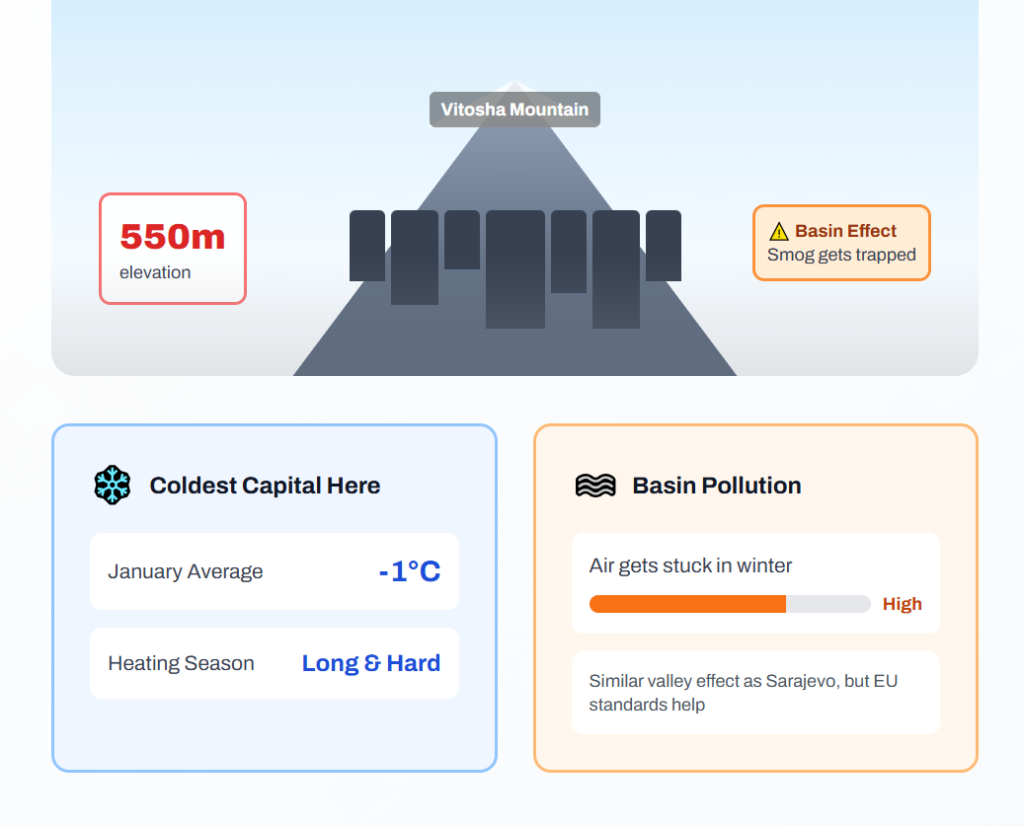
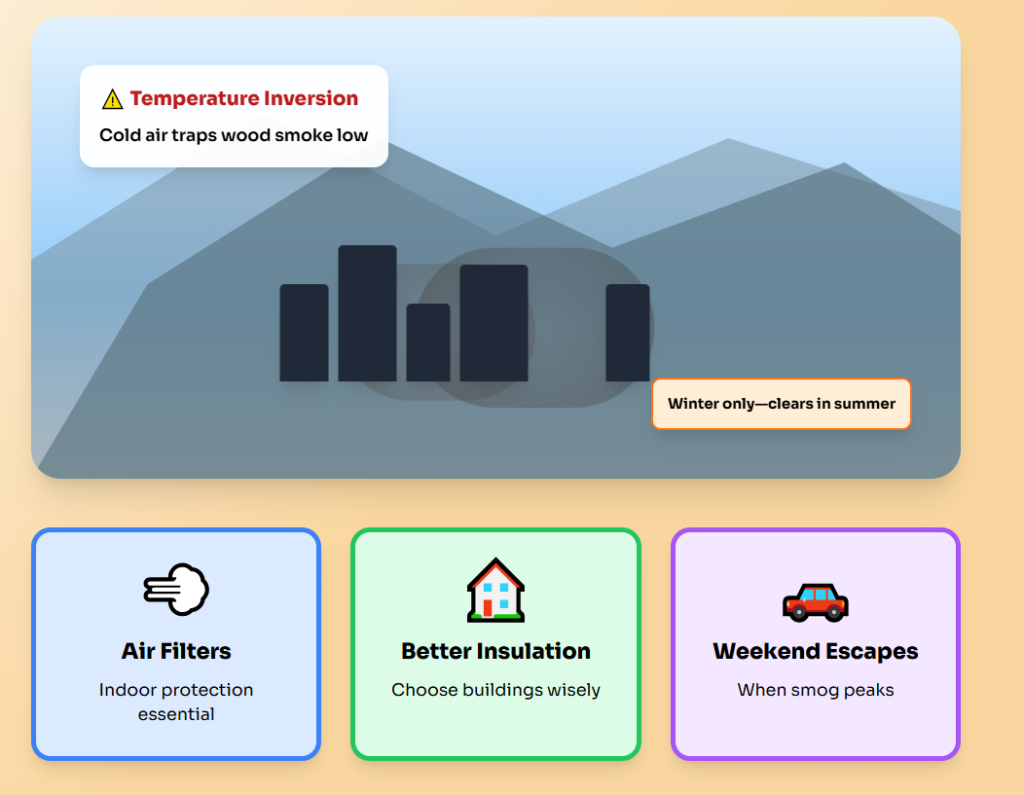
Winter hits harder, and the heating season can bring smog because Sofia lies in a basin where dirty air gets stuck. On Quality of Life and HDI, Bulgaria has one of the three highest development levels in this ranking.
For healthcare, you have the option of a public system with longer wait times or private hospitals like Tokuda Hospital and City Clinic. Private healthcare in Bulgaria is relatively cheap, to the point that people from other countries travel there for treatment.
Cost of Living stays in Sofia’s favor with an index of 40.8. This is lower than any city in the US, where Huntsville, AL, has the lowest index at 58.
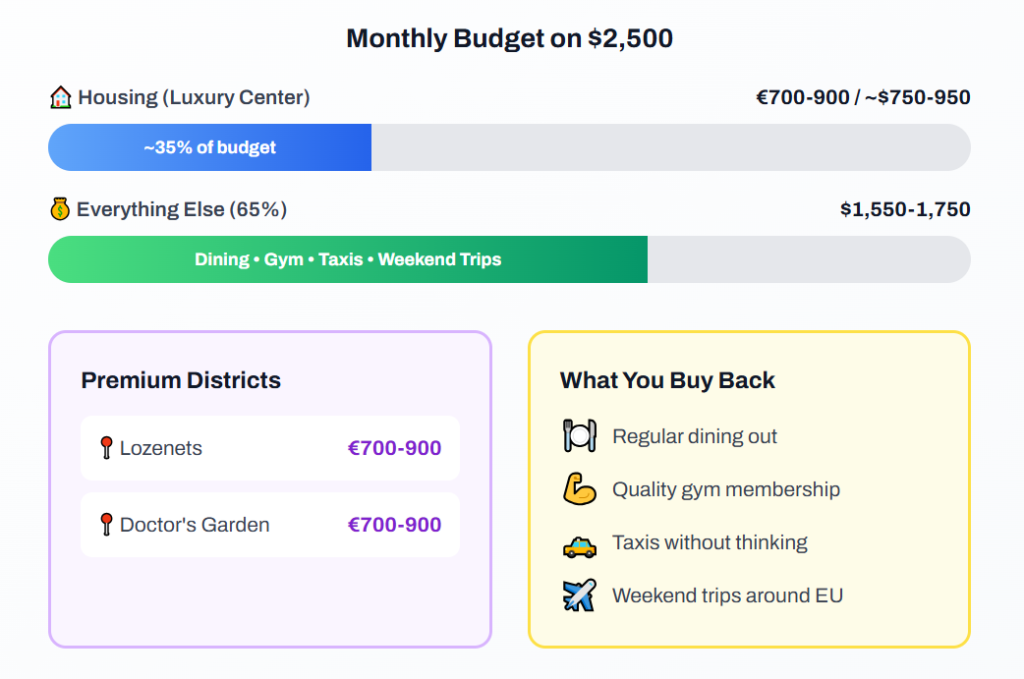
In high-demand districts like Lozenets or Doctor’s Garden, a luxury one-bedroom rents for about €700 to €900 per month. You still keep well over half your budget for dining out, a gym, taxis, and weekend trips.
Annual sunshine totals about 2000 hours, with mild springs and summers but cold winters. The upside is access to nature, as the mountains are close enough that skiing can be one of your hobbies.
I went to Bansko a few years ago and it was a lovely place. Bulgaria uses a 10% flat tax on worldwide income for tax residents, including capital gains.
| Pillar | Score |
| Quality of Life | 6 |
| Cost of Living | 7 |
| Weather | 4 |
| Taxes | 7 |
| Total Score | 24 / 40 |
4 – Bucharest (The Romanian Capital)
Bucharest is the sweet spot for anyone earning in dollars but wanting a high-octane European lifestyle.
But the traffic can be a nightmare.
Congestion ranks among the worst in Europe, and short trips can turn into long blocks of time. Noise follows the main roads, but if you live with metro access, you win time back and still get large parks like Herastrau and Cismigiu.
Romania’s HDI is 0.845, on par with Bulgaria, and this indicator has dramatically improved in the last 10 years. Private healthcare is good, with providers like Regina Maria and MedLife pushing quality to serve medical tourists.
Bucharest’s cost of living index is 42.2, slightly higher than Sofia. In prime northern districts like Primaverii, high-end apartments are sometimes above €1,000 per month.
In other areas, the rent pressure drops and you can find good apartments for less than €800. Internet speeds rank among the fastest in Europe, making remote work perfectly possible.
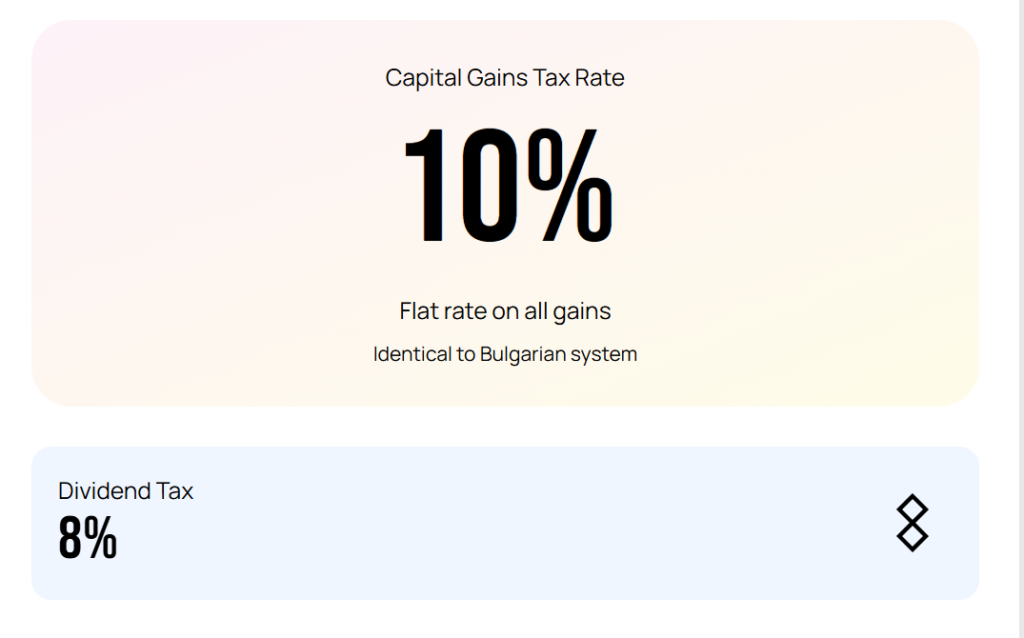
Romania applies a flat 10% tax on capital gains for tax residents. Dividends have even lower taxes at 8%.
| Pillar | Score |
| Quality of Life | 6 |
| Cost of Living | 6 |
| Weather | 5 |
| Taxes | 7 |
| Total Score | 24 / 40 |
3 – Skopje (The North-Macedonian Capital)
Let’s talk about Skopje, where the numbers show an impressive cost-benefit.
The capital comes with a very visible split between looks and logistics.
Years ago, the government implemented the Skopje 2014 project, which removed part of the communist architecture and put neoclassical facades across the center. Despite the good looks, Skopje deals with winter air pollution trapped in the valley by wood heating and temperature inversions.
Summers are warm, and the outdoor season stretches into October. The sun shines more than 2400 hours per year, which is why it has a grade higher than colder capitals like Sarajevo or Sofia.
North Macedonia’s HDI is 0.815, which is not great but not terrible either. Healthcare on the private side performs better than outsiders expect, with Sistina Hospital being one of the best in the region.
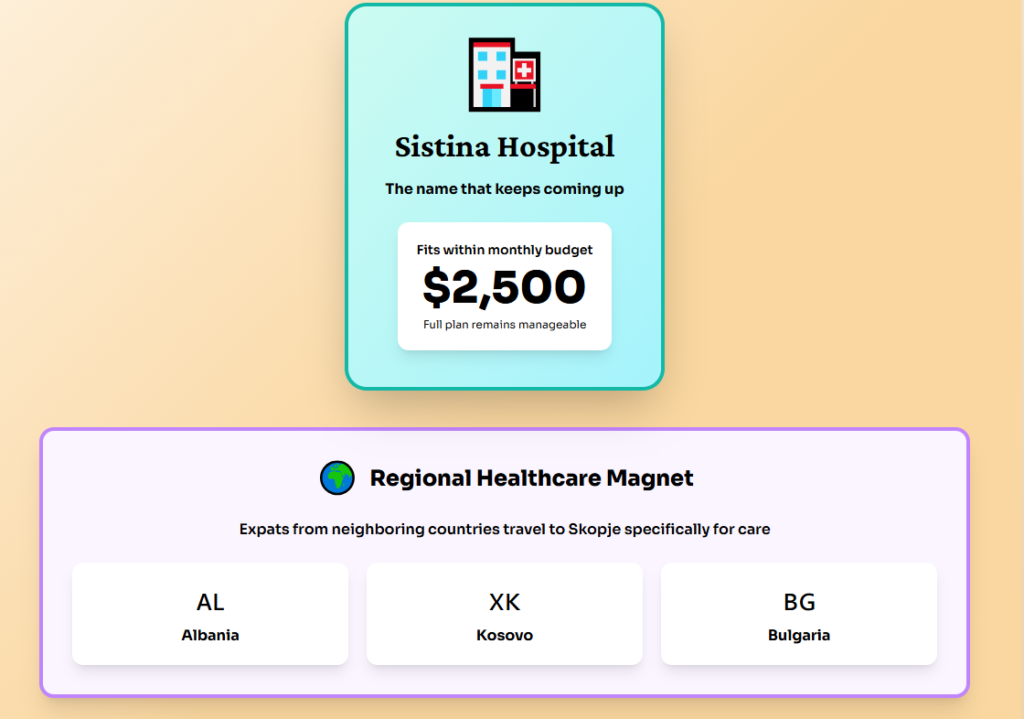
It is very affordable for someone on an income of $2,500 per month. The low cost of living is one of the strongest points, with an index of just 35.9.
In the former Yugoslavia, only Nis and Pristina are cheaper. Rent is a clear advantage: you can find an apartment with Vardar River views for €400 to €500 per month.

Dining out stays low at €10 to €15 per person. When your fixed costs stay this low, you can pay for cleaning and a good gym membership while still keeping money for travel or savings.
North Macedonia uses a 10% flat tax on capital gains. On $30,000 per year, you pay $3,000, leaving you with $2,250 net.
| Pillar | Score |
| Quality of Life | 3.5 |
| Cost of Living | 9 |
| Weather | 5 |
| Taxes | 7 |
| Total Score | 24.5 / 40 |
2 – Podgorica (The Montenegrine Capital)
Podgorica has a quiet winner profile: good climate, decent cost of living, and fewer financial surprises.
The city can feel small, which matters if you need constant new events to stay engaged.
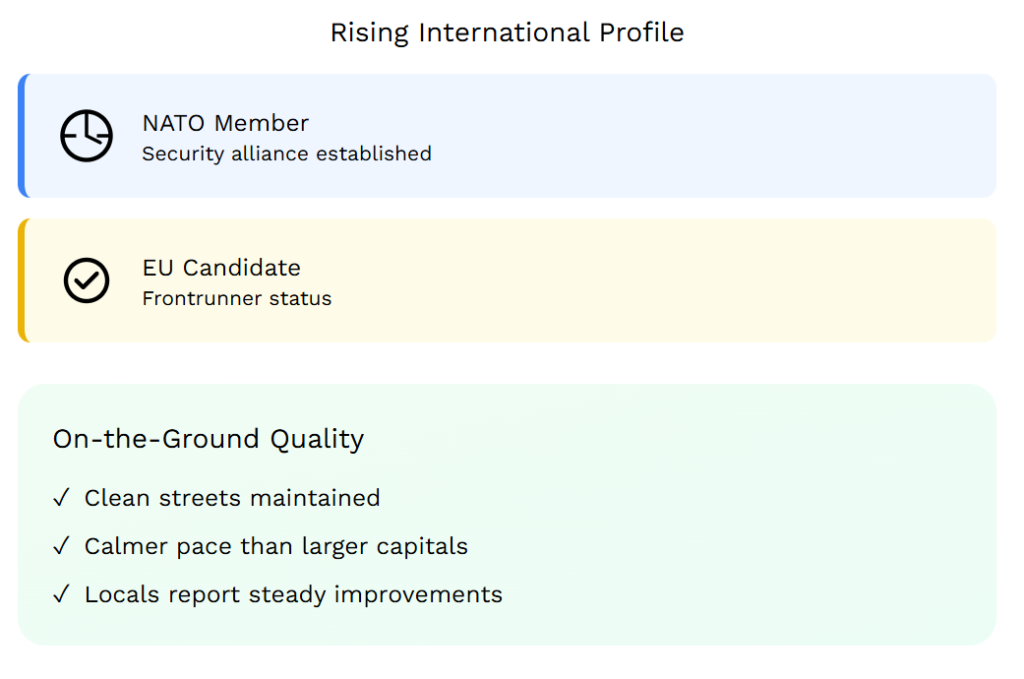
Quality of life is the main factor that grants them the 2nd place. Montenegro’s HDI is 0.862, the second-highest in this group, reflecting enormous economic advances and a rising international profile.
Today, Montenegro is an EU candidate frontrunner. While not the cheapest in this ranking, Podgorica is cheaper than capitals like Zagreb or Belgrade.
Modern apartments rent for less than €700 per month, leaving two-thirds of your budget for utilities, food, transport, private healthcare, and leisure. Montenegro uses the euro, which simplifies financial planning despite not being an EU member.
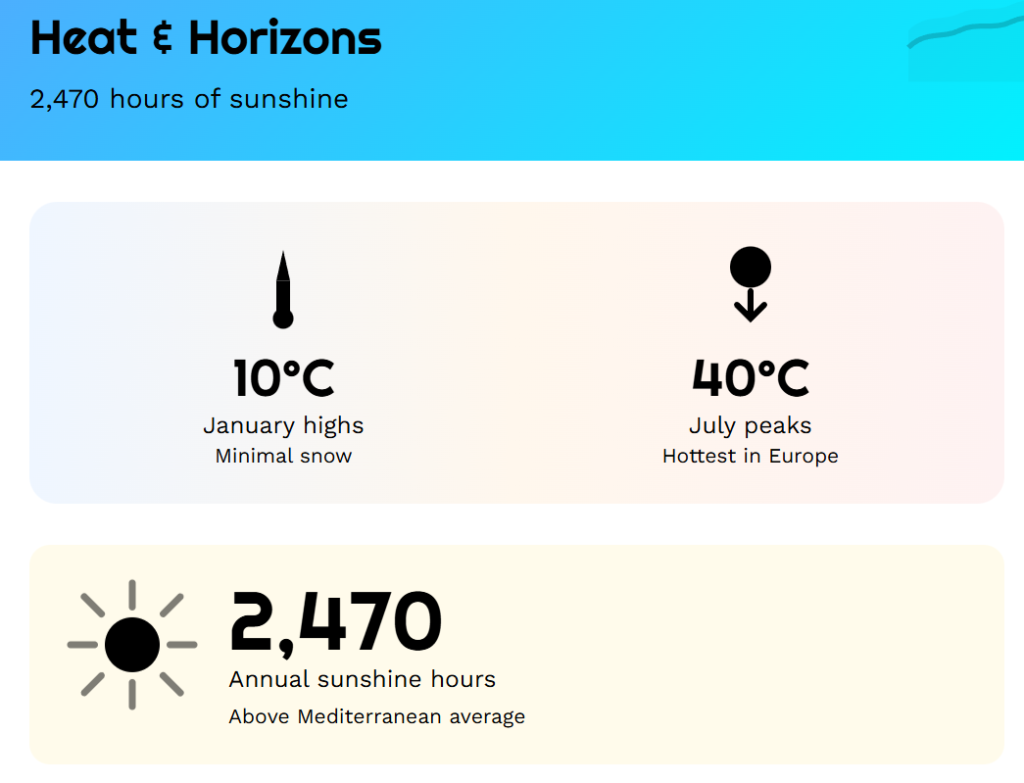
Weather scores high, with a climate that is almost Mediterranean. January highs average about 10°C and snowfall is minimal.
It gets almost 2500 hours of sunshine per year. In July, Podgorica is one of the hottest cities in the region, and 40°C is common in the summer.
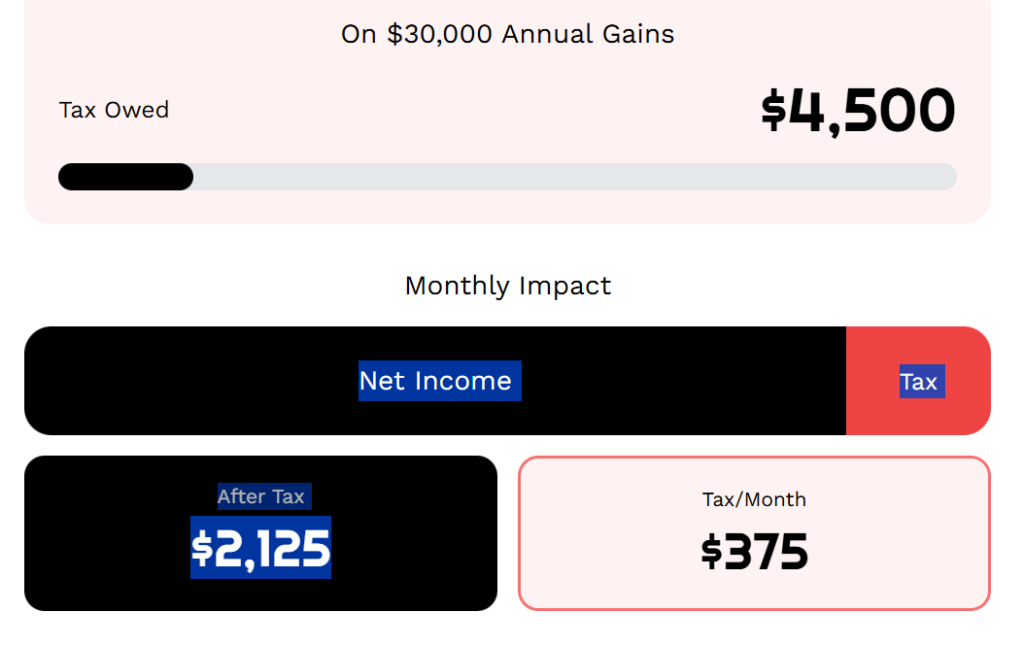
Another plus is location: you can reach the Adriatic coast without long planning. Taxes are the main drag, as Montenegro applies a 15% capital gains tax, or $375 per month.
| Pillar | Score |
| Quality of Life | 7 |
| Cost of Living | 6 |
| Weather | 7 |
| Taxes | 6 |
| Total Score | 26 / 40 |
1 – Nicosia (The Cypriot Capital)
Nicosia gets the first place because the math they do on foreign income is hard to beat.
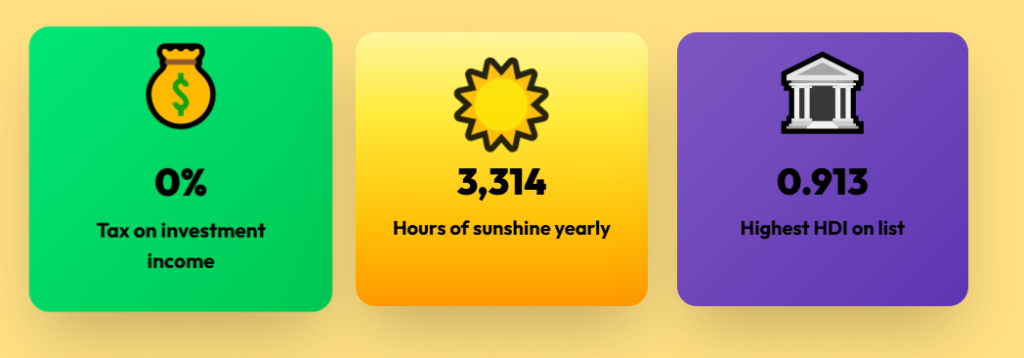
Cyprus has an HDI of 0.913, the highest among all the countries we covered today.
You feel it in infrastructure reliability, as the country is as developed as Spain. The national healthcare system gives broad access to hospitals, but there are also numerous private hospitals and clinics to choose from..
Cost of Living is the downside, as Nicosia is the most expensive city in this ranking. A two-bedroom apartment often costs close to €900 per month before utilities.
Air conditioning is really important there. Nicosia won’t make you feel like a king on US$2,500, but it will buy you a very stable, upscale life.
Weather gives Nicosia some big advantages with more than 3,300 hours of sunshine per year. Average day temperatures in January are 15°C, so even the coldest month is still good for a walk outside.
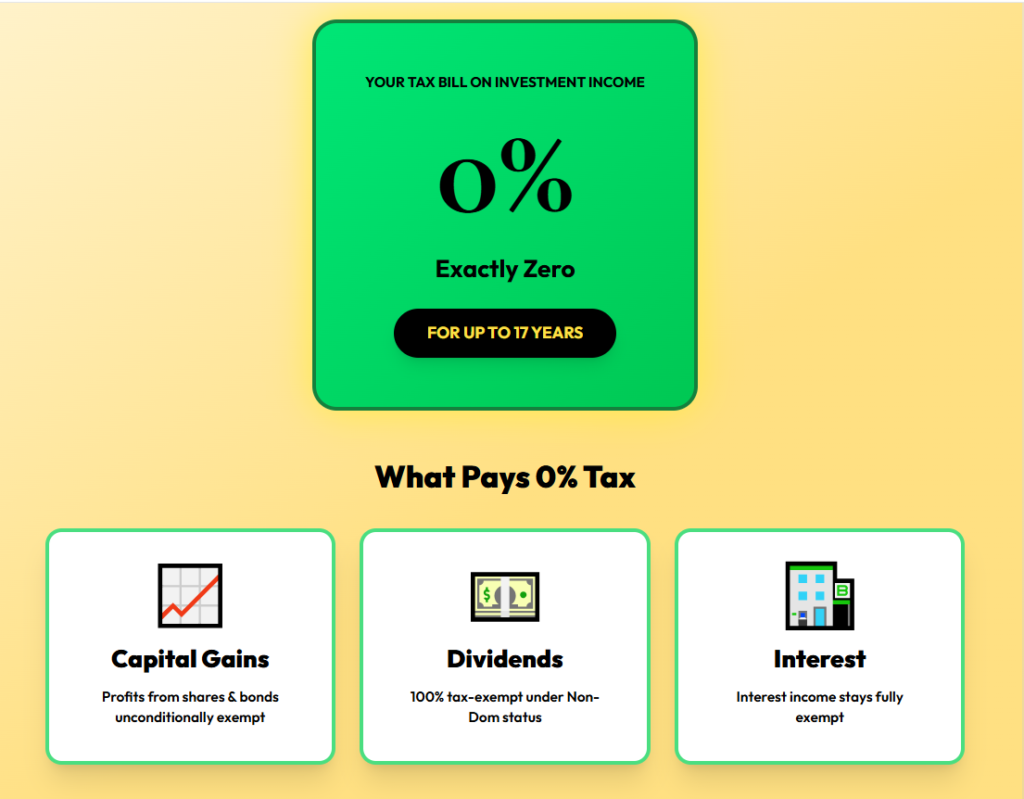
Cyprus offers tax-free status for eligible residents under Non-Dom status. Profits from investments like shares and bonds are unconditionally tax-free.
You can qualify via the standard 183-day residency rule, or the 60-day rule if you meet extra conditions. Your tax bill on your foreign income is exactly zero.
| Pillar | Score |
| Quality of Life | 10 |
| Cost of Living | 2 |
| Weather | 10 |
| Taxes | 10 |
| Total Score | 32 / 40 |
We focused on capitals today, but I’ve also ranked the best big cities in Europe for you. And join my Patreon for all the sources, charts, and maps, plus my top three eBooks on retiring abroad.
Levi Borba is the founder of expatriateconsultancy.com, creator of the channel The Expat, and best-selling author. You can find him on X here. Some of the links above might be affiliated links, meaning the author earns a small commission if you make a purchase.