Healthcare is the one thing that can ruin your life abroad if you get it wrong.
In one South American country, the healthcare system has collapsed so completely that private hospitals are forced to smuggle in their own water and generate their own electricity.
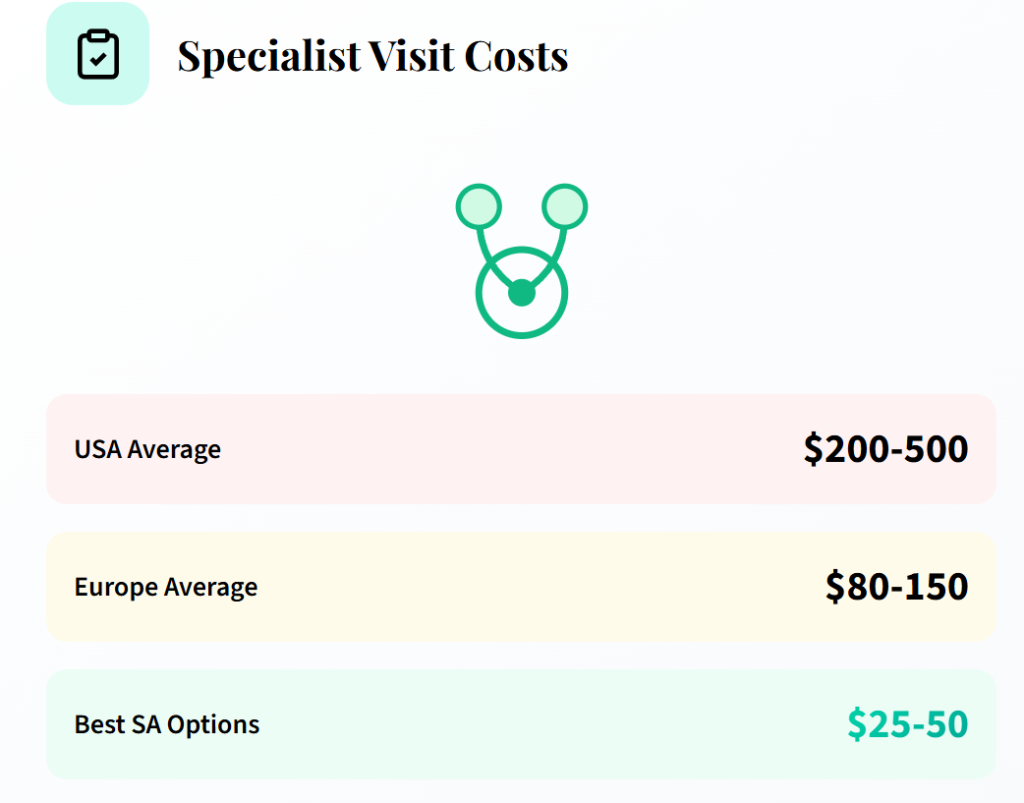
Yet, just a short flight away, you can consult a European-trained specialist for $30, or get a hip replacement in a world-class facility for under $4,000.
I lived for 26 years in South America, and I can tell you firsthand: the best hospitals there rival anything you’d find in Massachusetts or Germany.
But you have to know where to look.
So today, I will reveal to you what YouTubers ignore, and rank healthcare in all South American countries from worst to best.
We are skipping the fluff and looking at what actually matters: quality and costs.
- Some countries have zero JCI-accredited hospitals and no independent verification of their quality.
- Others are floating in advanced technology and have some of the best hospitals in the world.
This isn’t a simple “best to worst” list – it might save your life.
The Ranking System
Quality accounts for 67% of our score.
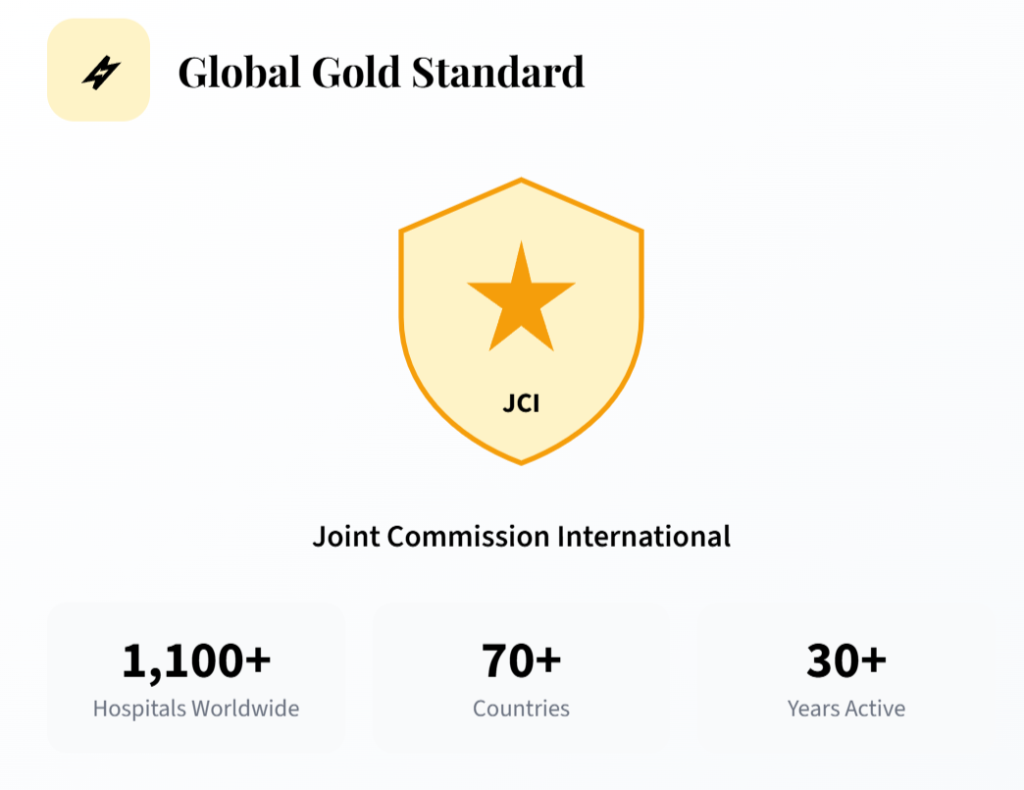
We’re looking at JCI accreditation, which is the gold standard for hospital quality worldwide. We examine specialist density, advanced technology like PET-CT scanners, and if hospitals meet international protocols.
Cost and value make up the remaining 33%. And at this point, you will be shocked by how different the prices are there.
We calculate what you pay versus what you get.
Remember: the most expensive option isn’t always the best value, and the cheapest option often comes with hidden risks.
We also factor in concentration—healthcare clusters in major cities.
Now, we start our ranking with…

The Worst Healthcare in South America: Venezuela
Venezuela appears at the bottom of our ranking, but not for the reason you might think.
The entire healthcare infrastructure has fractured, and the public system is so broken that electricity blackouts are routine and water shortages are normal. Meanwhile, private hospitals in Venezuela operate as isolated islands in a sea of dysfunction.
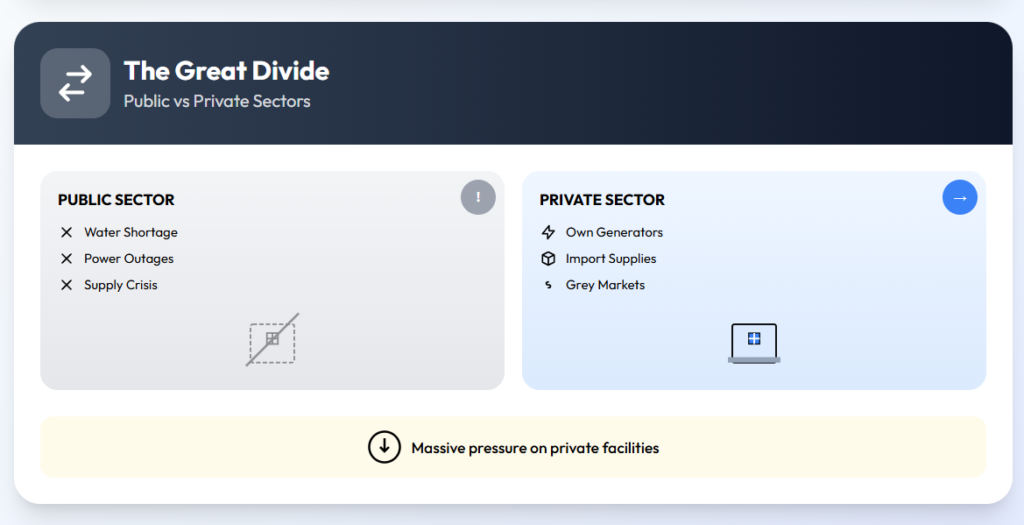
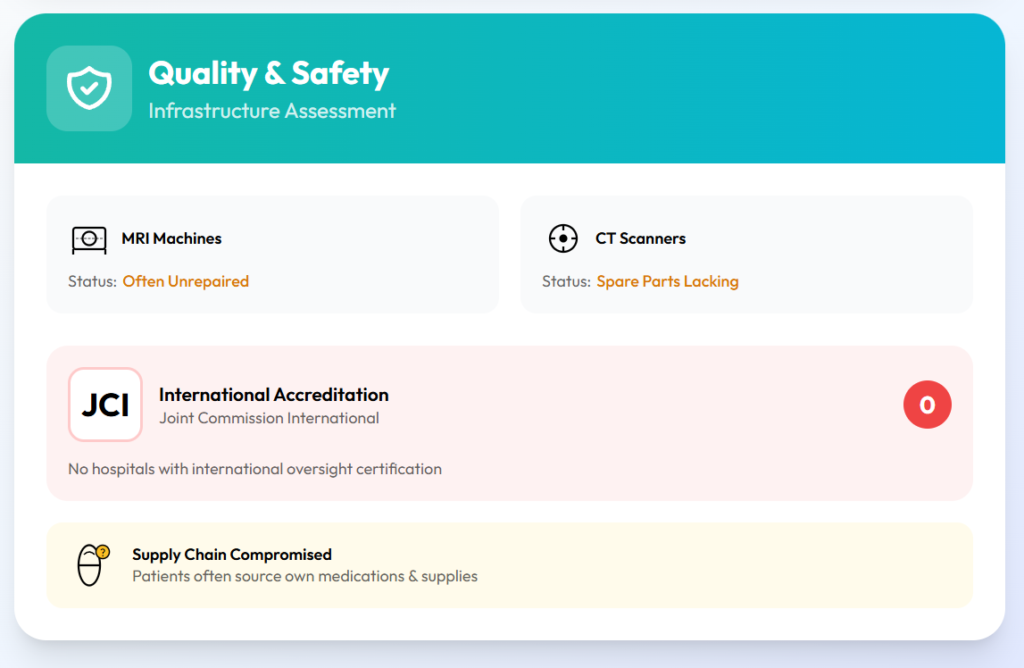
Their first necessities often arrive through grey-market channels because sometimes supply chains don’t exist. Hospitals generate their own power and import their own water, while repair parts for diagnostic machines are often difficult to obtain.
Zero JCI-accredited hospitals operate in Venezuela, meaning you are in complete darkness if a hospital meets basic international requirements. Despite all the problems, prices are still high, with consultations costing up to $100 and a private hospital bed exceeding $1,000 per day.
These aren’t bargain prices; they’re crisis prices charged in a country where the currency has become worthless and everything must be purchased in dollars. Brain drain compounds the problem as thousands of doctors have emigrated, seeking better opportunities abroad. Those who remain work in conditions that would be unthinkable in any developed nation, and then there is also the problem of counterfeit medications.
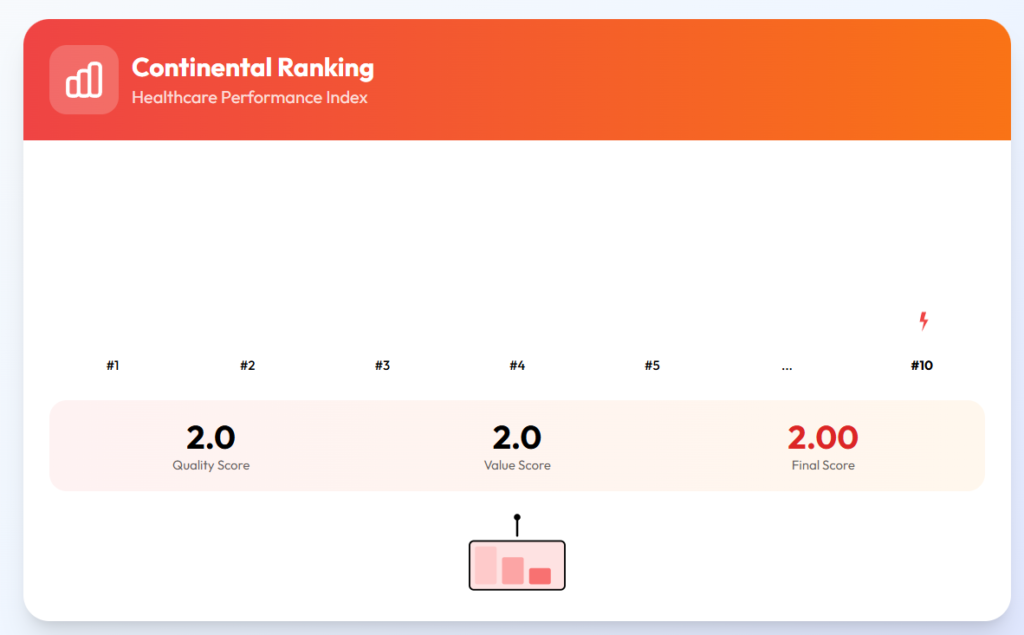
As we move up the ranking, you’ll see how dramatically the situation improves. But Venezuela serves as a reminder of what is really, really disastrous healthcare. By the way, I am also thinking of doing a similar article ranking the healthcare of Central American countries—if you want me to cover Central America, tell me in the comments.
9th Place: Paraguay
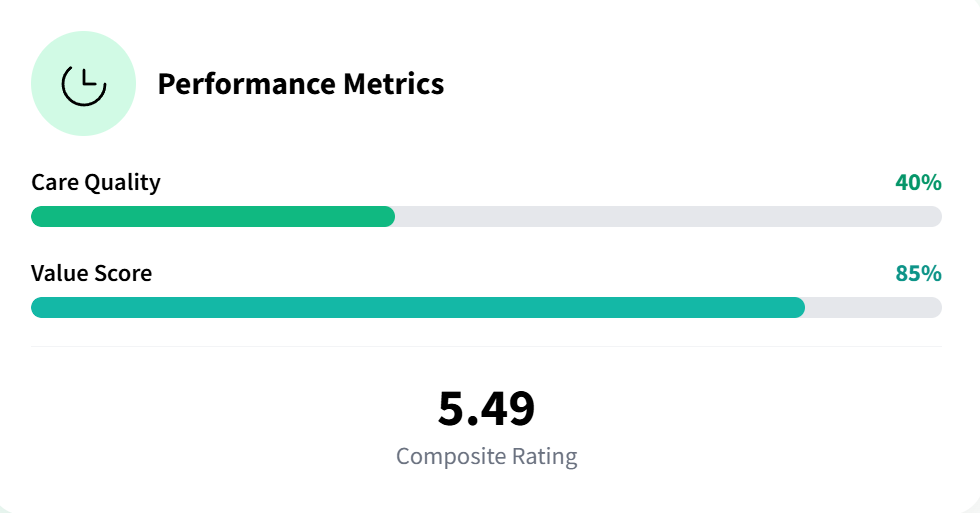
In Paraguay there is a trade-off: low prices, but narrow capability.
If you want a place where day-to-day healthcare stays cheap, Paraguay can work. If you want a system that covers every scenario, the limits show up fast. Private care is concentrated in Asunción, so if you live outside the capital and need a specialist, you will probably face a long travel.
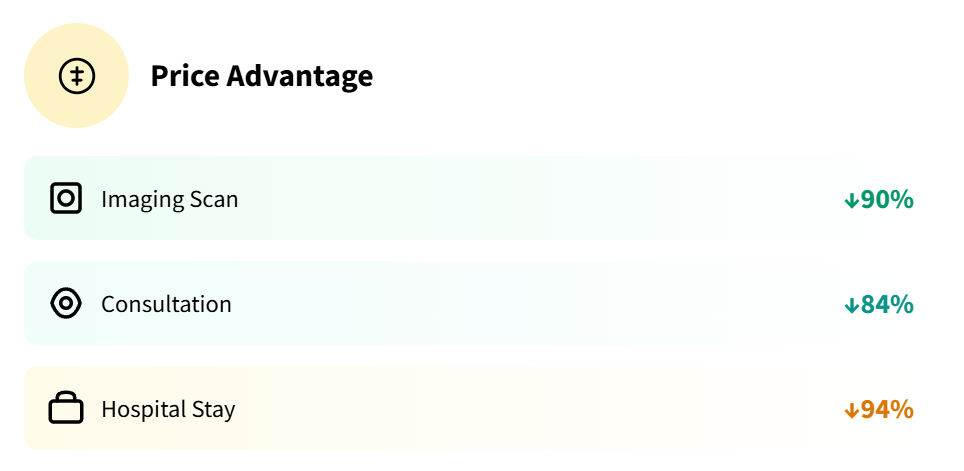
In an emergency, the distance to Asunción can turn into a significant cost. For basic services, the price list looks good: a consultation with a top specialist ranges from $30 to $50, and an MRI comes in at $150 to $250. A private hospital stay might cost as low as $100 per day, while expat-oriented private insurance can land between $50 and $150 per month.
However, on the other side, Paraguay has zero JCI-accredited hospitals. Some top institutions have partnerships with hospitals in Argentina or Brazil, and while other clinics invested in remarkably advanced equipment, the numbers are still limited.

Where Paraguay performs best is primary care and standard surgeries. Routine consults, preventive medicine, common surgical procedures, and dental work are the sweet spot—you can access them at good prices in the capital. But for some high-complexity procedures, people often need to travel for treatment outside Paraguay.
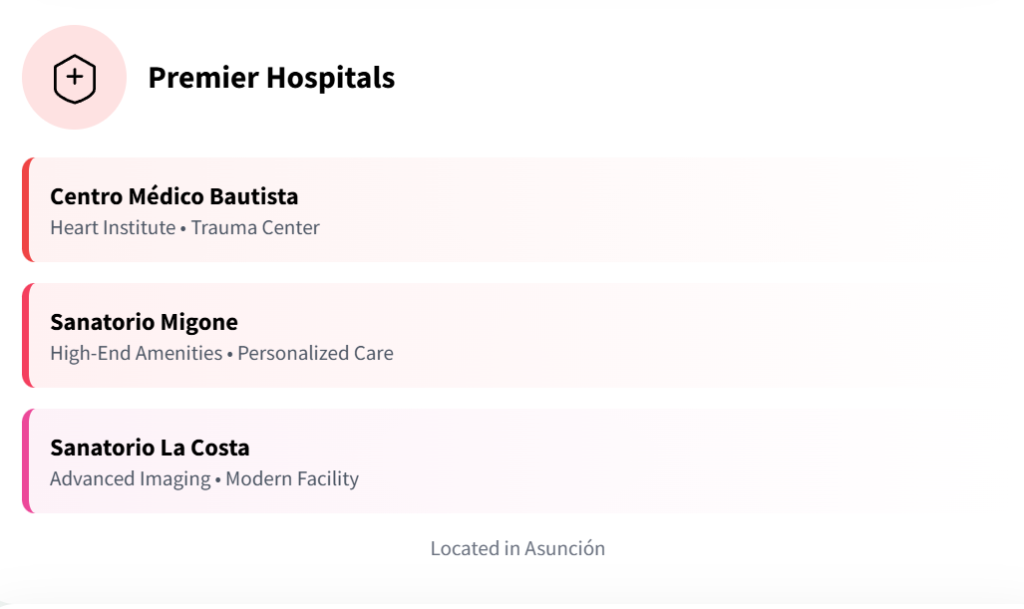
So the use case is specific: Paraguay fits expatriates who want low-cost routine care and who can manage risk by planning for worst-case scenarios in advance.
And if your retirement plan involves crossing borders for healthcare, you need a safety net that travels with you. That’s where Nomad Insurance Complete comes in. You can use it as your primary health insurance wherever you live, work, or travel in 175+ countries. It also provides extra travel coverage, like delayed luggage, trip cancellation, and burglary—check out their services!
8th Place: Bolivia
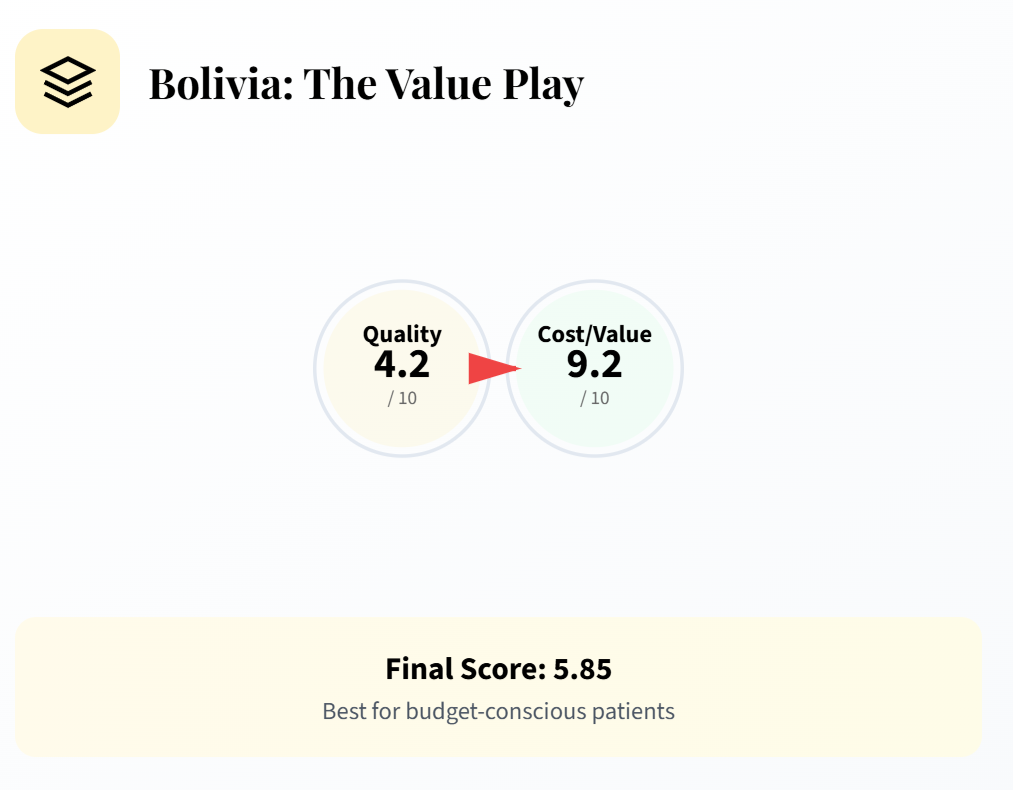
On our scorecard, Bolivia gets a 4.2 on quality, a 9.2 on cost/value, and a final score of 5.9.
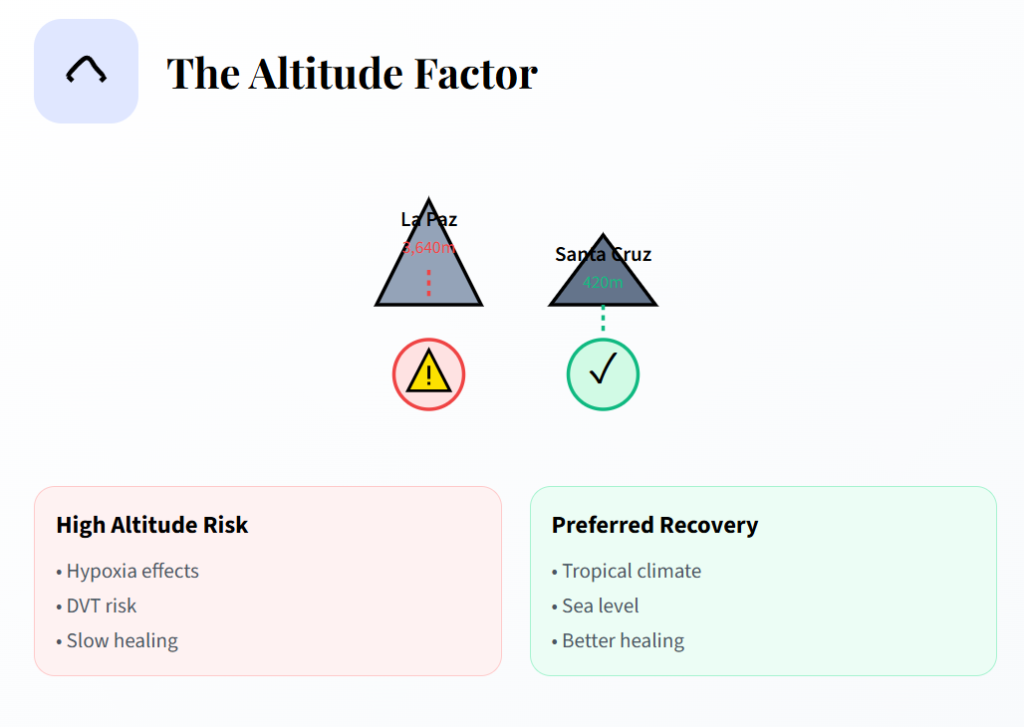
The limitation comes from infrastructure, as Bolivia’s private healthcare market splits between La Paz and Santa Cruz de la Sierra, and that split matters more than people expect. La Paz is at almost 4,000 meters—the highest capital in the world—so unless you are used to it and have lived there for a long time, it might cause hypoxia. Imagine living at a lower altitude and traveling to almost 4,000 meters to treat a health issue, only to end up even worse.
With a lower altitude, Santa Cruz becomes the default choice for many patients, and it’s also where the private sector drives most of the medical tourism. On quality, the top clinics tend to run clean and modern, but they’re small. Bolivia has zero JCI-accredited hospitals, and the system leans on the reputation of individual surgeons, some of whom trained in Brazil, Argentina, or the US.
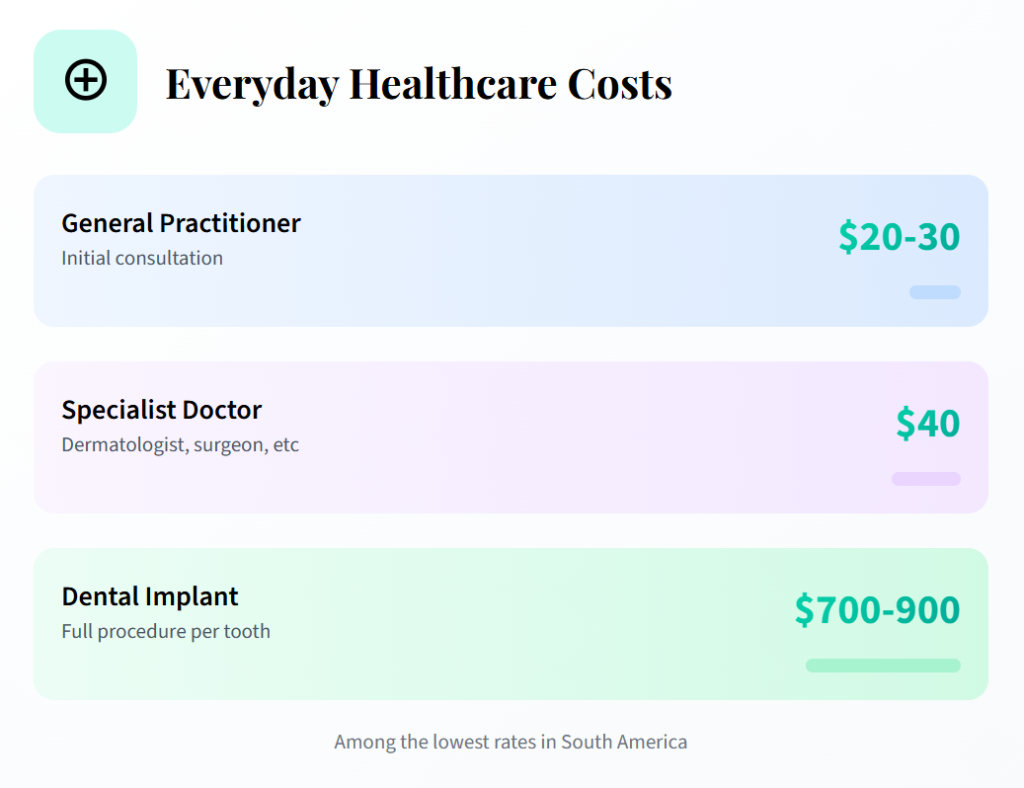
Clínica Foianini in Santa Cruz is often considered the most modern and comprehensive private option, and multinationals and expats lean on it. Bolivia has remarkably low costs: general practitioner visits cost around $20 to $30, and specialists about $40. Cosmetic surgery is the big draw, with rhinoplasty prices going as low as $1,200, and a full facelift costing less than $2,200.
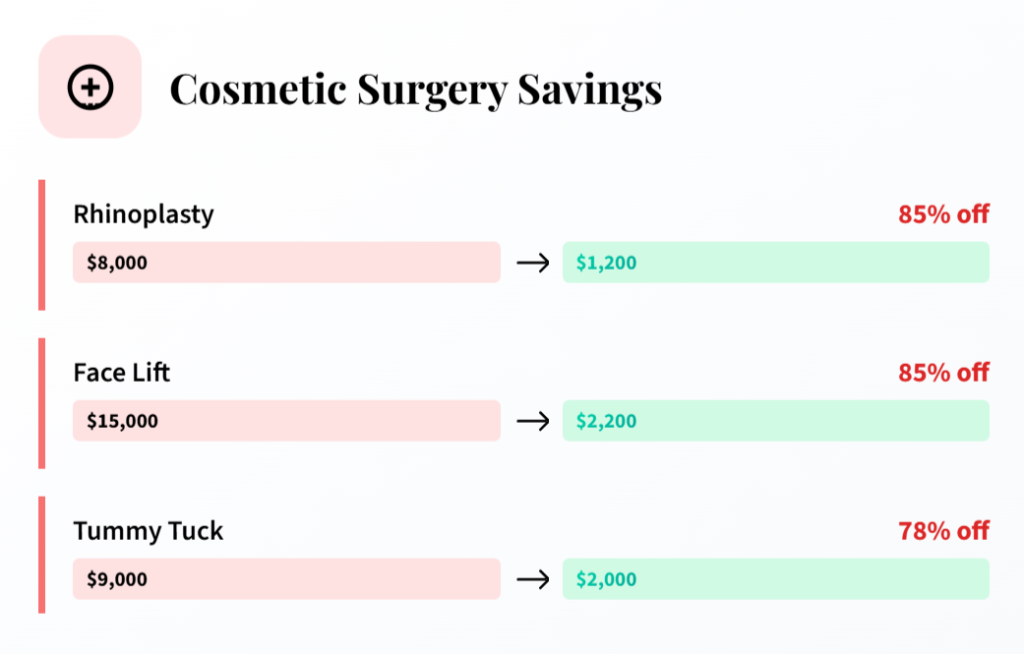
Dental implants cost as low as $700. Compare that to US averages: an $8,000 rhinoplasty becomes $1,200, a $15,000 facelift becomes $2,200, and so on. So Bolivia works when you want extreme cost savings on lower-risk, elective procedures, and live in either La Paz or Santa Cruz.
7th Place: Uruguay
Uruguay is famous for its consistency and predictability—that is also valid for healthcare, both for bad and good.
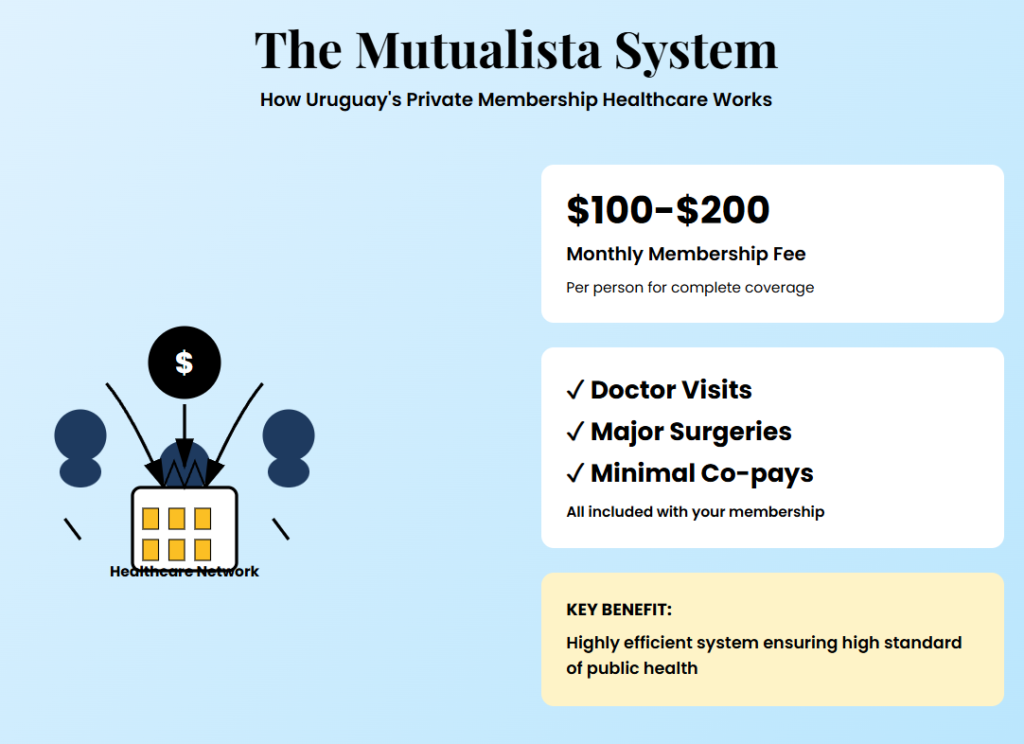
Most expats end up joining something called the Mutualista system, where you pay a monthly membership fee, most often $100 to $200, and that membership opens access to a defined hospital network. It works in an interesting way: you get broad access to basic services with minimal co-pays. This allows for regular checkups instead of waiting until a problem turns expensive.
Montevideo concentrates the most advanced private facilities. Hospital Británico serves the diplomatic community and higher-income locals and runs with English-speaking staff. Asociación Española operates as a large complex with cutting-edge tech, including the country’s first robotic surgery systems.
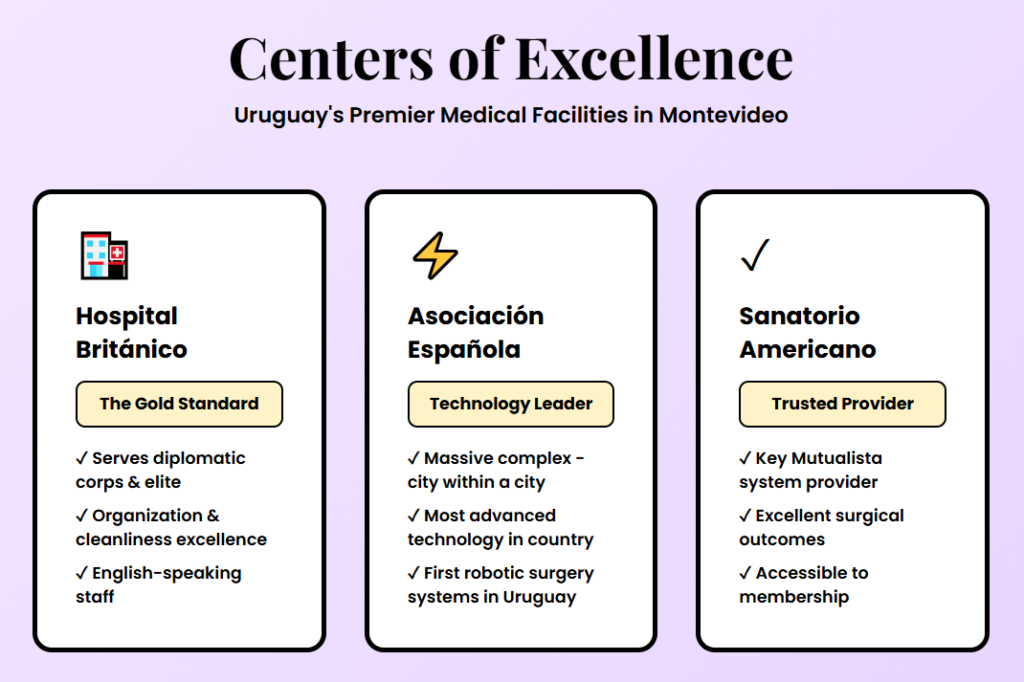
Meanwhile, Sanatorio Americano is recognized for its good structure for surgical procedures. Even if you are inside the Mutualista system, Uruguay is still expensive by South American standards, albeit still much cheaper than healthcare in the United States. A consultation with a specialist costs on average $75, and a hip replacement costs around $10,000.
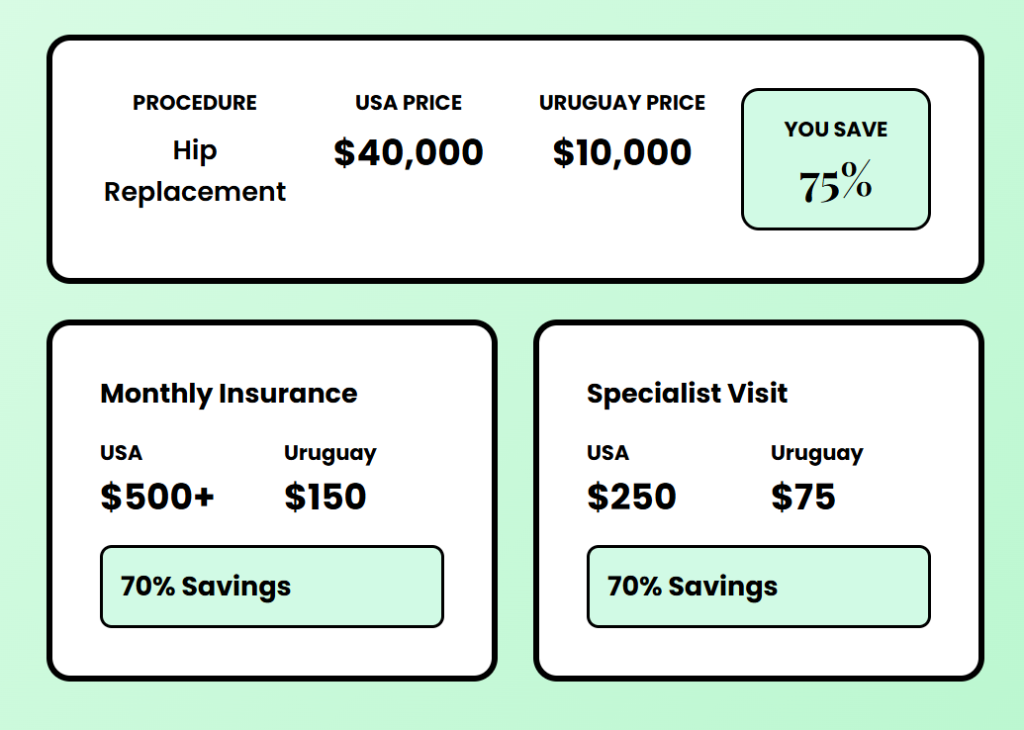
That is 75% less than the US average, so it’s still a major discount, but you don’t get the ultra-low numbers some people expect when they hear “South America.” Uruguay is also just very stable as a country; the currency stays stable, inflation stays lower than many neighbors, and healthcare pricing stays consistent enough to budget. Montevideo still holds the highest-end specialists and equipment, but the Mutualista network extends care into secondary cities.
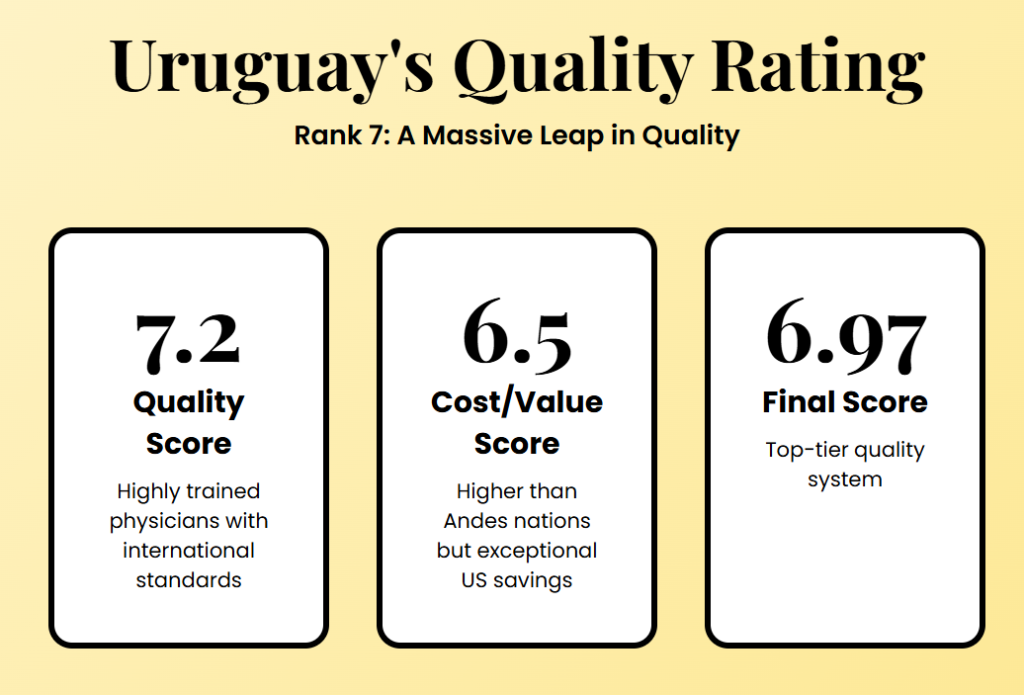
Uruguay has good quality in the private system, but not many options for more complex procedures, and prices are not cheap when compared to the rest of South America.
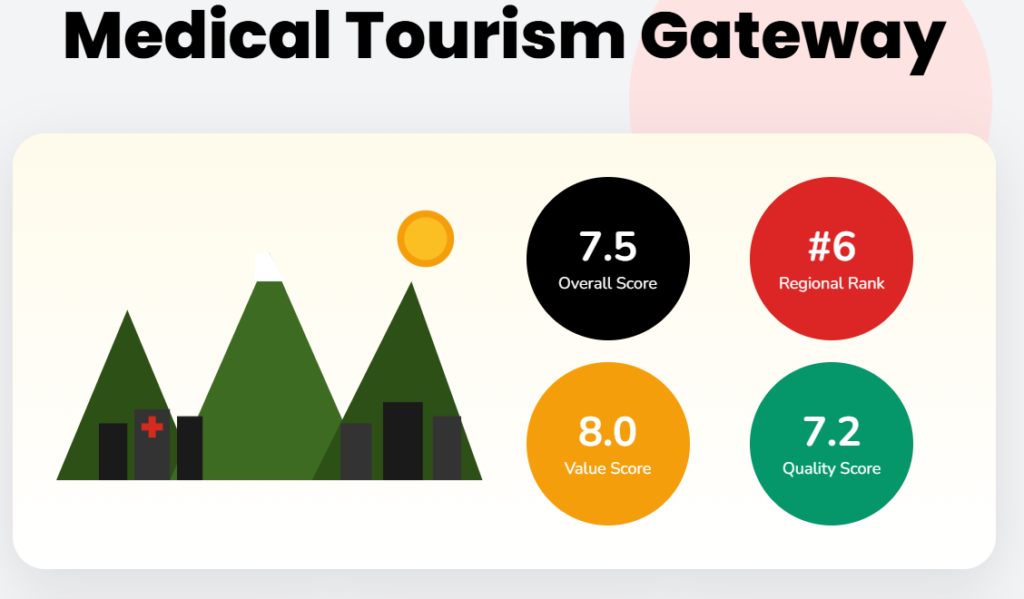
6th Place: Peru
Peru earns this spot for one reason: when you target the right procedures, the cost-benefit is really good.
The country does not have a state-of-the-art structure for every medical scenario, but for elective specialties, the pricing and the verified quality line up in a good way. If you want the strongest private options, you focus on Lima, where the advanced private system clusters in districts like Miraflores and San Isidro. The key facility is Clínica Anglo Americana, and it holds JCI accreditation.
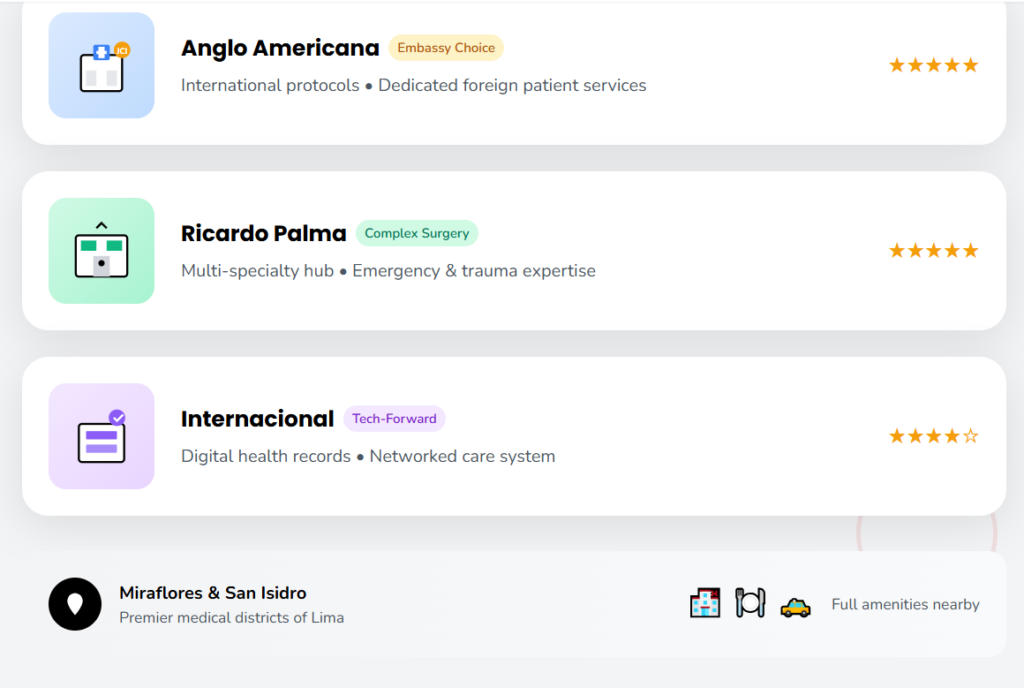
It also has a dedicated international patient office, which reduces obstacles when you book, pay, and follow up. In ophthalmology, dentistry, and cosmetic surgery, surgeons perform these procedures in high numbers, and that repetition translates into efficiency and consistent technique. LASIK eye surgery costs less than $1,000 per eye, and clinics use the same Excimer laser technology you see in higher-priced markets.
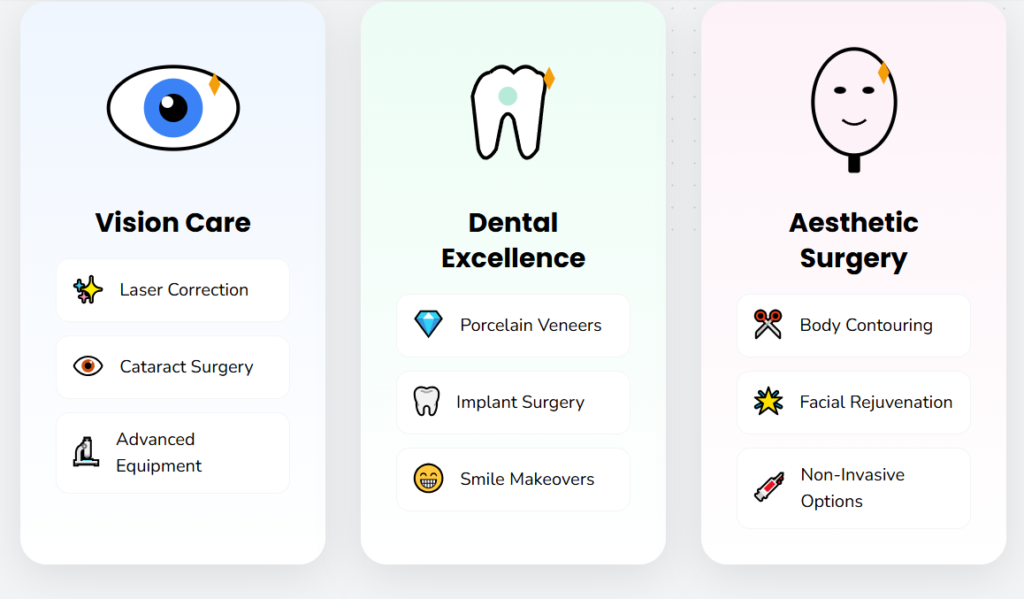
Porcelain dental veneers land between $500 and $600 per tooth, which creates a major gap versus U.S. pricing. For orthopedic care, hip replacements price at $7,000 to $10,000, which can mean 70 to 80 percent savings versus U.S. equivalents while staying inside an institution with JCI oversight. However, if you live outside Lima, you don’t get the same menu of advanced services.
5th Place: Ecuador
Ecuador’s biggest advantage is that they use the US Dollar.
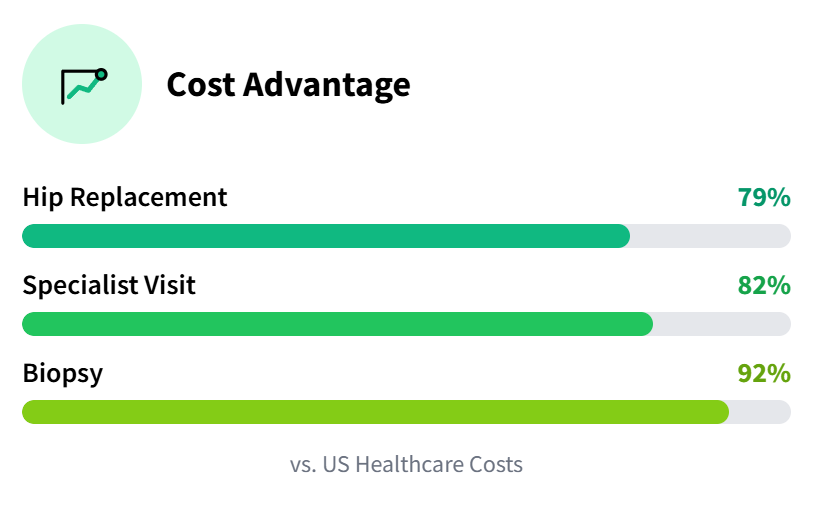
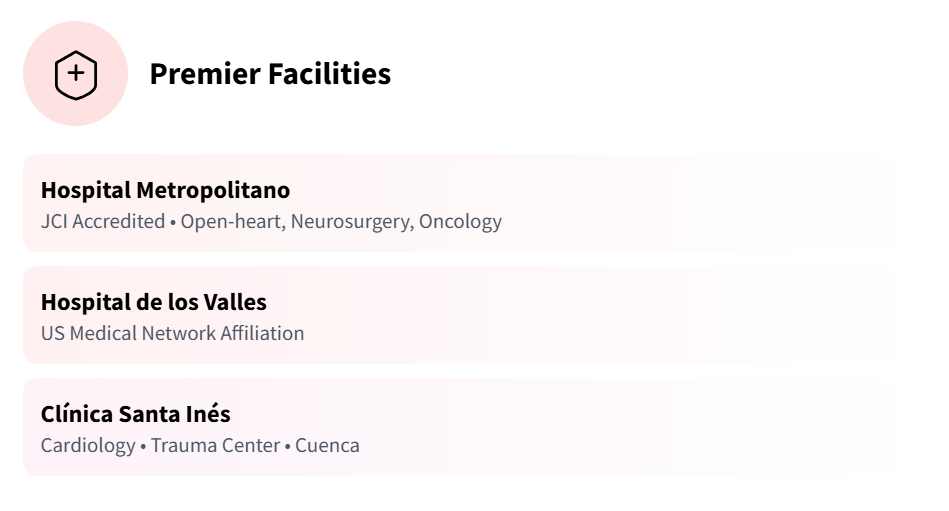
When a clinic quotes you $40 for a consultation, that number does not depend on an exchange rate, and the same applies to bigger items. Hip replacements cost on average $8,500, which equals a 75 to 85 percent discount versus US pricing, or a 50% discount compared to Australian prices. Hospital Metropolitano in Quito has JCI accreditation and handles complex care, including open-heart surgery and oncology, with specialists trained in the US and Europe.
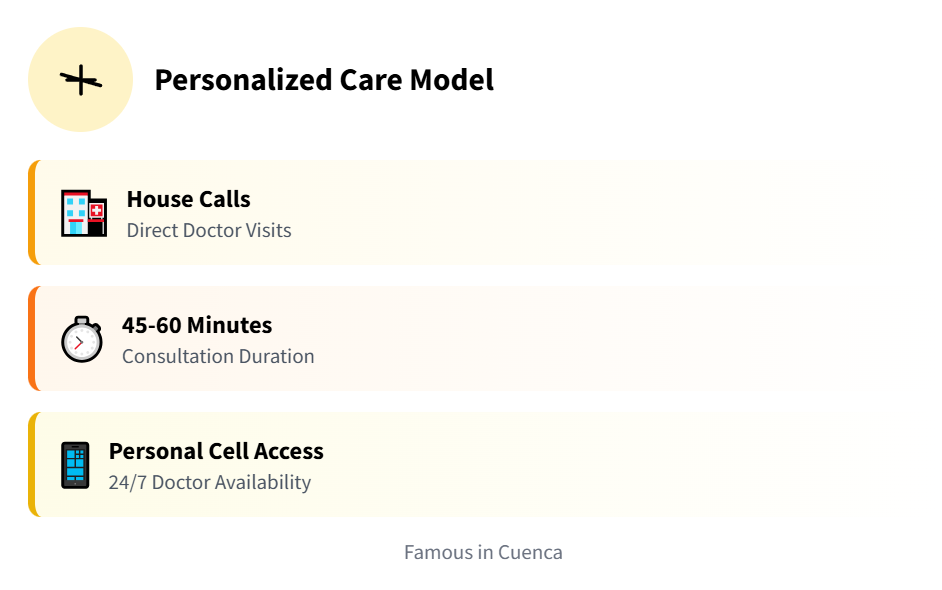
In Cuenca, the “Cuenca Model” has long consultations, often 45 minutes to an hour, plus direct doctor-patient communication through mobile access. If you come from a system where you get seven minutes and a printout, this is a big difference, often for the better. Biopsies in Ecuador also come in at very low cost, which matters because diagnostics can turn into the real financial drain in private systems.
In major cities like Quito and Cuenca, language barriers stay low because many medical professionals speak English. The biggest obstacle is that they don’t have a ton of high-tech gear, as Ecuador doesn’t have certain advanced equipment and specialized treatment options you see in the region’s top-tier medical hubs.
For standard care, preventive care, and common procedures at stable dollar prices, Ecuador delivers, but for complex care, the next names in this ranking are better.

4th Place: Chile
The name now is Chile, and here the ranking shifts toward premium efficiency: high-end capability with higher pricing.
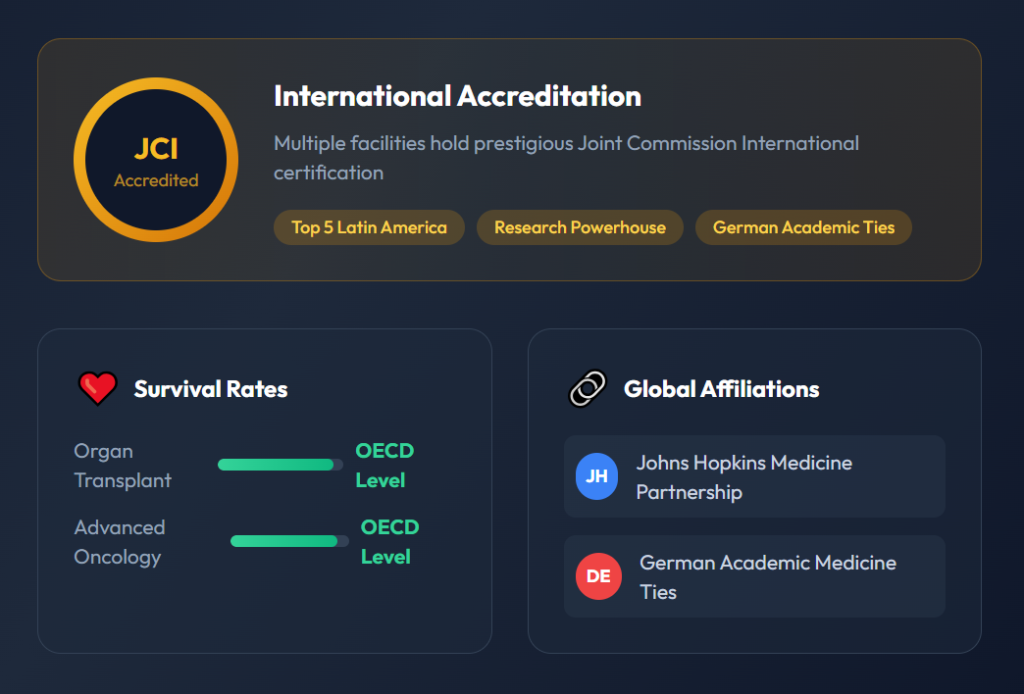
Chile has JCI-accredited hospitals, and two names dominate the conversation in Santiago: Clínica Alemana and Clínica Las Condes. Clínica Alemana operates a few large, modern complexes; it is considered one of the best in all of South America and is covered only by the most robust insurance providers, like Nomad Insurance.
Chile also has plenty of institutions leading in medical tech, and the highest concentration of Da Vinci robotic surgery systems in the region.
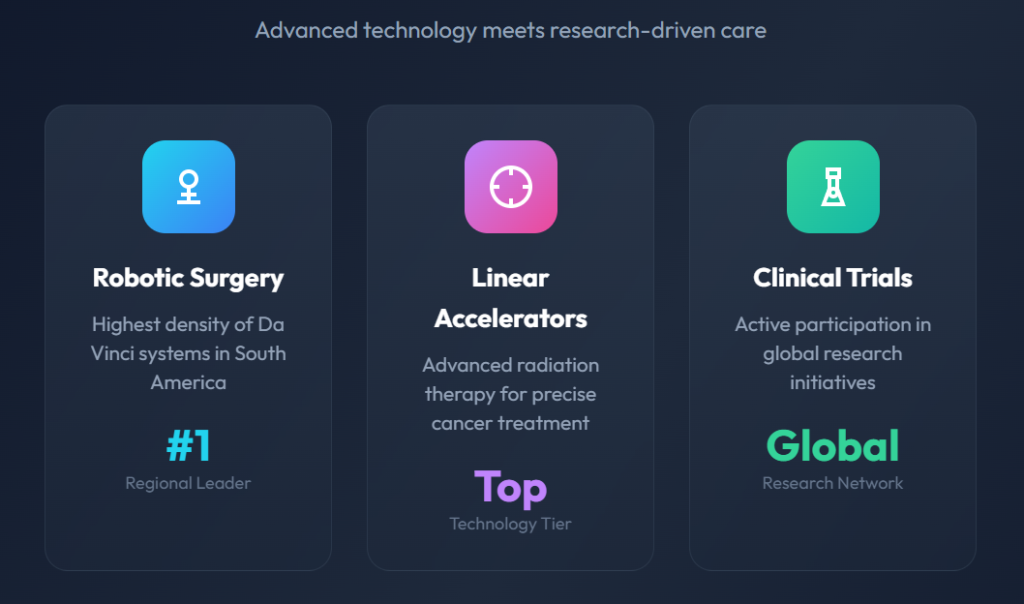
Cancer care also leans on high-end hardware, as Chile has the top concentration of advanced linear accelerators for radiation therapy. For complex conditions—organ transplants and advanced oncology are the key examples—Chile’s clinical outcomes track with OECD benchmarks. That’s the reason people pay the Chile premium: when you face a high-stakes diagnosis, you want a clean protocol, correct dosing, and a team that runs these cases often.
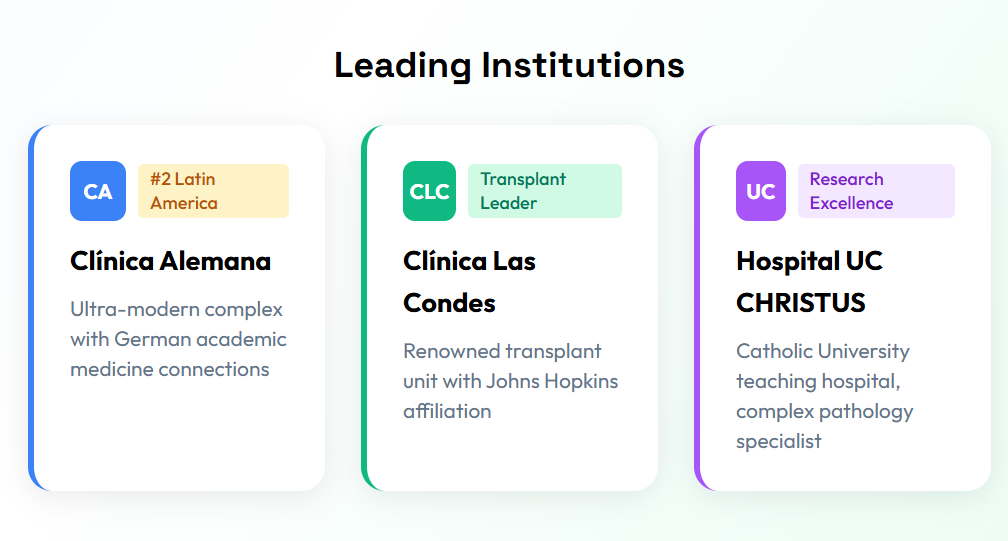
A hip replacement costs on average $15,000, and a heart bypass comes in around $28,000. While cheaper than the US, Chile is pricier than the rest of South America. Consultations with top specialists price higher than in most neighboring markets, which makes sense if you consider the infrastructure and quality of Chilean private healthcare.
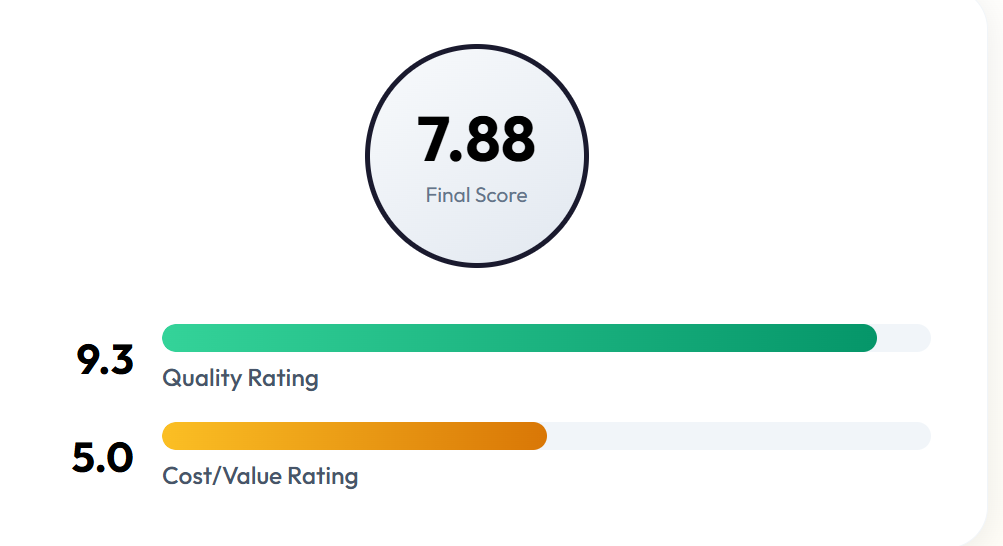
The top-notch medical facilities are heavily concentrated in Santiago. Chile gets a 9.3 in quality and a 5 in the cost factor, with a final score of 7.9.
3rd Place: Brazil
This place goes to Brazil—the first country on this ranking where you can find world-class healthcare across most specialties.
Brazil has three times more JCI-accredited hospitals than all other South American countries combined, with the flagship names located in São Paulo: Hospital Israelita Albert Einstein and Hospital Sírio-Libanês. Both hold JCI accreditation, both plug into international research networks, and Hospital Israelita Albert Einstein actually became the first hospital outside the United States to receive JCI accreditation back in 1999. If you care about access to newer protocols and clinical trial ecosystems, this is where Brazil separates itself from most of the continent.
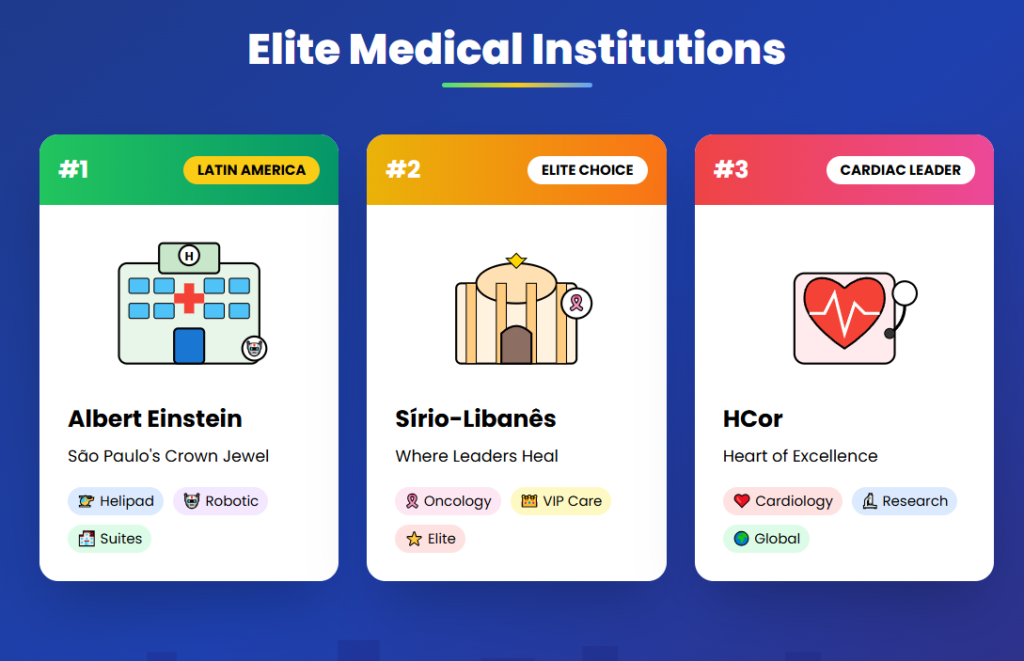
Scale drives the next advantage, as Brazil’s private healthcare market serves over 50 million people, and that volume creates hyper-specialization. Cardiology concentrates in centers like HCor (an acronym for “Heart Hospital” in Portuguese), and oncology concentrates in places like AC Camargo. Technology is not the bottleneck in Brazil’s private healthcare; for example, Brazil is the only country in all of Latin America with a 3Tesla MRI, the most advanced magnetic resonance equipment in the world.
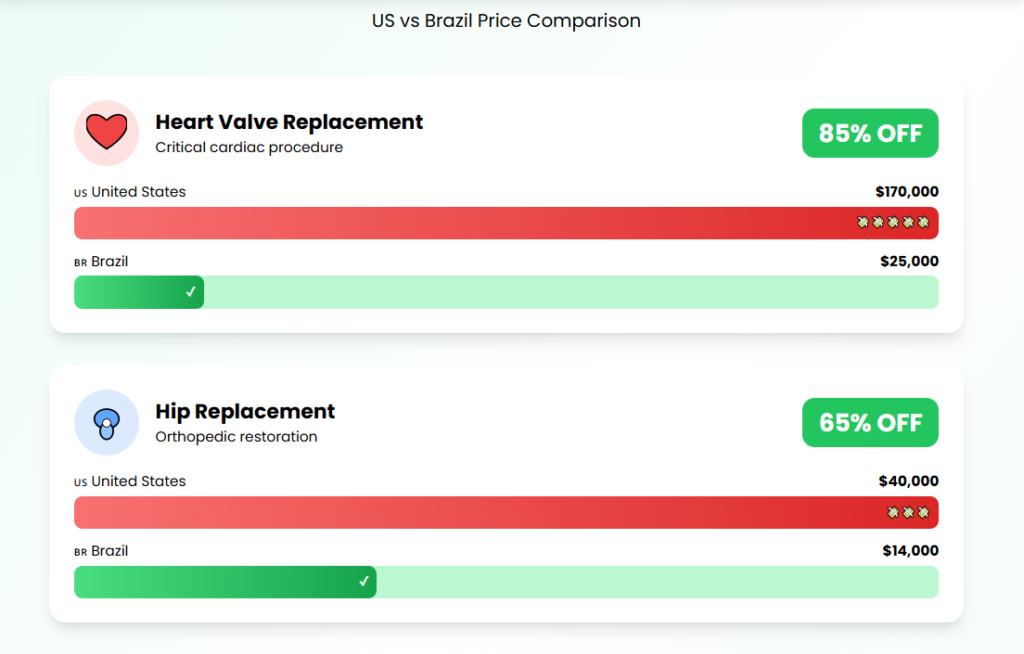
You see it in pricing examples, where a hip replacement ranges from $12,000 to $20,000. But Brazil doesn’t win on cost-benefit for the average retiree, because basic care comes in high. A specialist consultation in São Paulo runs expensive compared to most South American capitals, and hospital stays reflect the overhead of high-end infrastructure.

Despite being more expensive than any country on this list, remember: if you have a good insurance, you have no reason to worry about these “high prices.”
Then there’s navigation: São Paulo and Rio de Janeiro are massive, so scheduling, paperwork, and logistics take effort, especially if you don’t speak Portuguese.
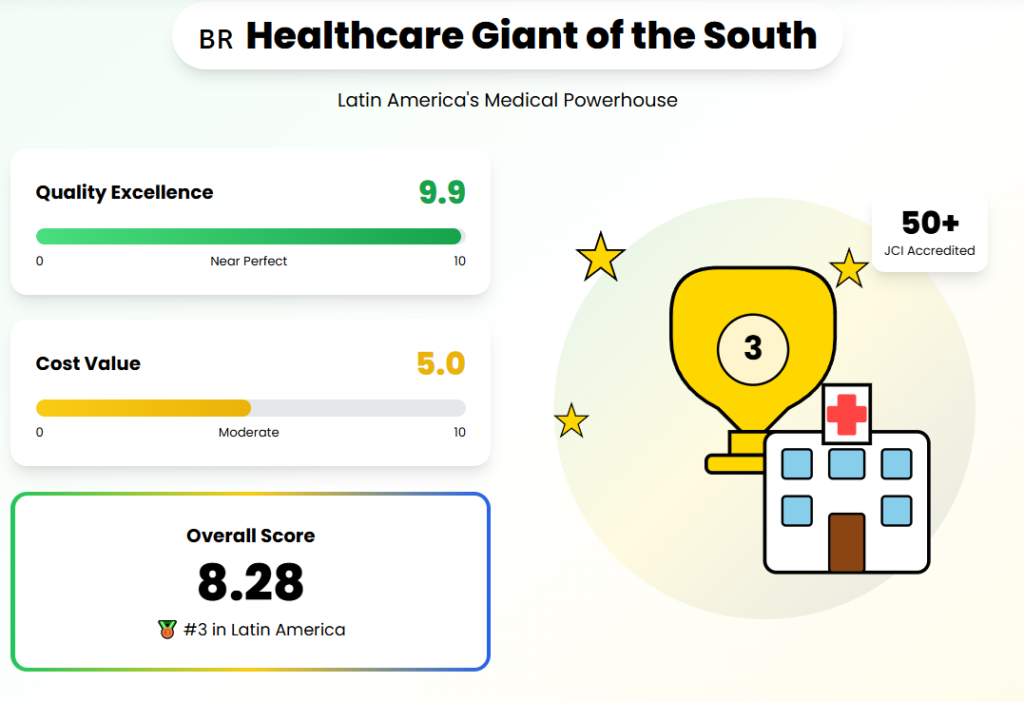
For this ranking, Brazil sets the high bar on capability. Now the question is where you can get near that level of medicine at a much lower price point, and our next country is the answer.
I share the full data charts and infographics for these countries on my Patreon. Join now to receive $108 worth of welcome gifts instantly, even if you join on the free tier. If you join any paid tier, you will also receive all my best-selling eBooks on living abroad, plus specialized monthly reports with all the changes you need to know, all for the price of a coffee!
2nd Place: Argentina
Argentina belongs near the top of our ranking because its private healthcare has quality, but at much lower costs than Brazil.
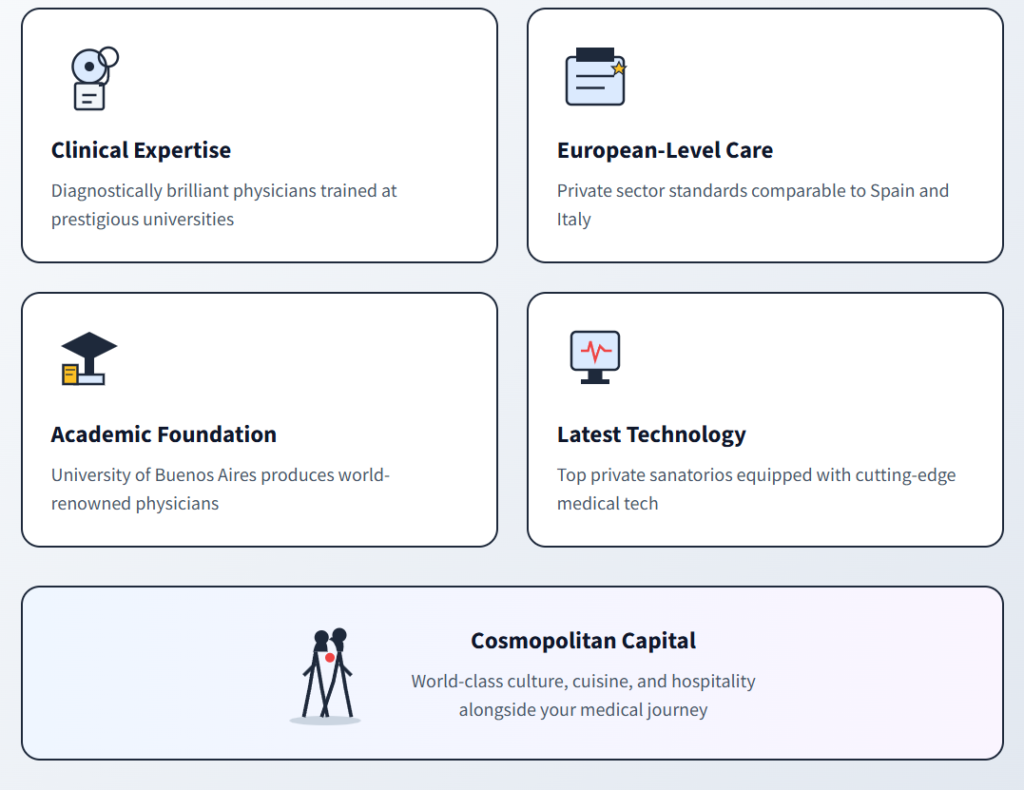
You get JCI-accredited academic medicine, but you pay prices shaped by an economy under stress. Argentina also has a deep medical heritage, having produced three Nobel Prize winners in science—two of them in Medicine—and a tradition on how doctors approach complex cases. That gap between capability and cost is what pushes Argentina near the top of the value rankings, even with the risks we’ll talk about in a second.
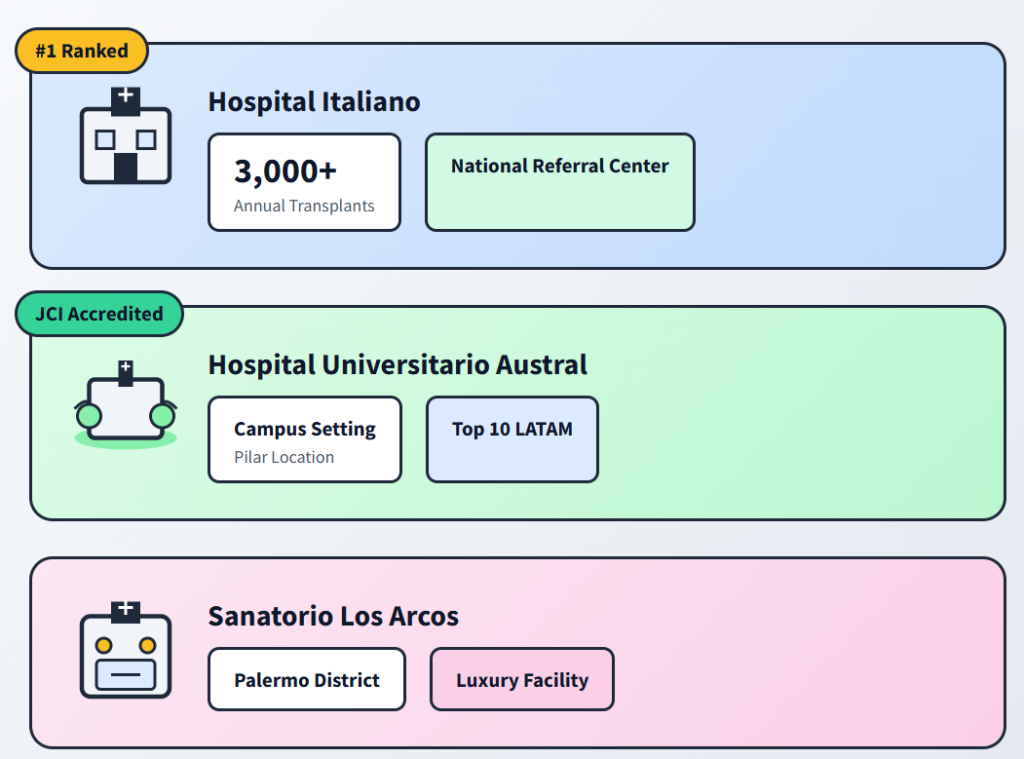
Hospital Universitario Austral in Pilar holds JCI accreditation and ranks among the top 10 hospitals in Latin America. Hospital Italiano in Buenos Aires operates as a national referral center, known for high transplant volumes and strong surgical outcomes. In practice, foreigners paying in dollars often see procedures price 10 to 15 percent cheaper than the same quote computed at the official exchange rate.
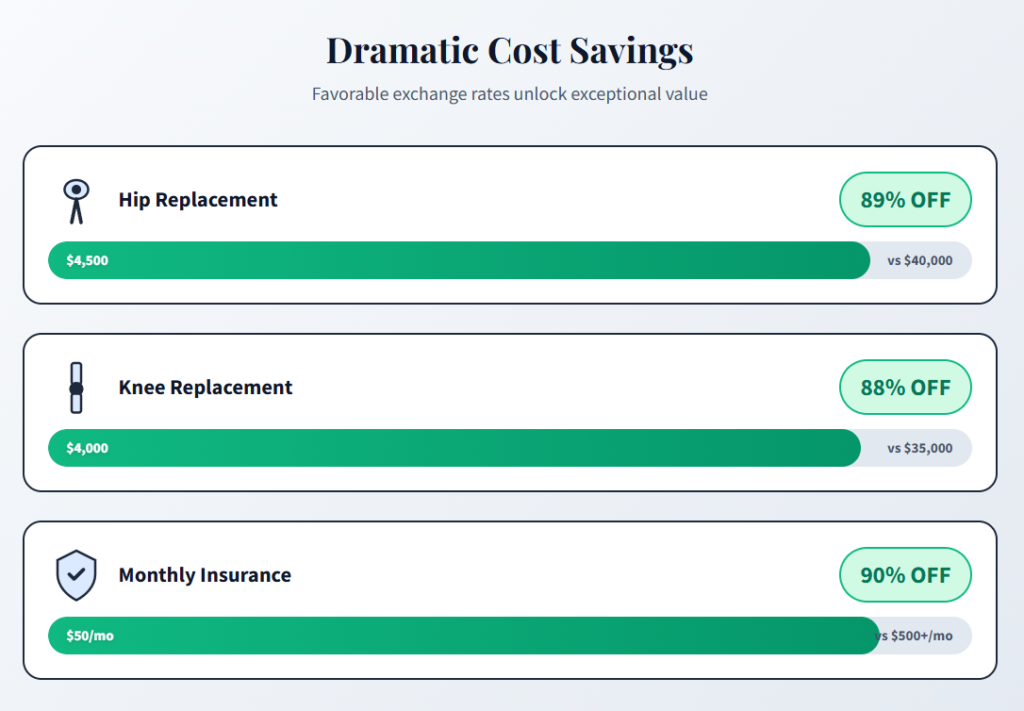
That’s how you end up buying high-tier academic medicine at some of the lowest prices in the world for this level of quality, and the procedure numbers are the reason medical tourists keep showing up. A hip replacement costs less than $5,000, specialist consultations are often below $50, and expats can buy basic private insurance plans for $50 per month. JCI accreditation matters here because it answers the question everyone has: are these low prices coming from lower safety standards?
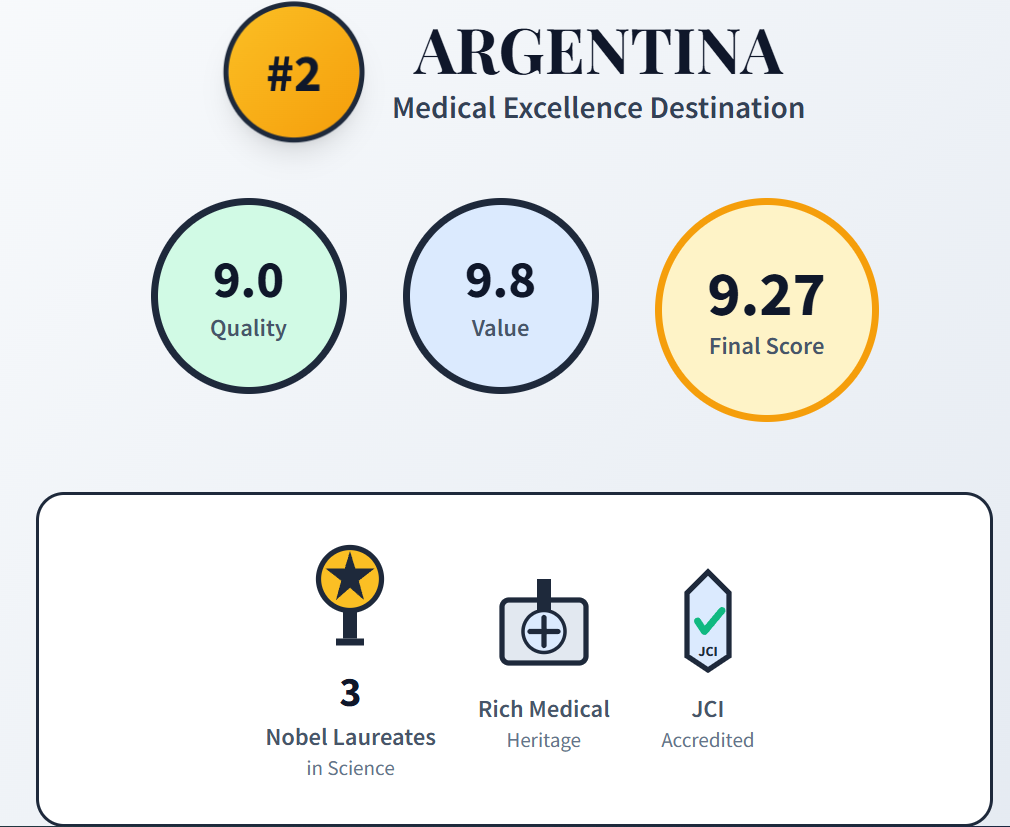
In the top institutions, the answer is no, and Argentina gets the second place with a private healthcare quality almost comparable to Brazil, but at much lower costs. Just remember that its economy is still a bit unstable, so a procedure costing $4,000 today can be adjusted later as inflation resets local pricing. And that sets up the final question: where do you get top-tier care and even lower prices?
The Best Private Healthcare in South America: Colombia
So what happens when a country has high-end private care, and it also makes the whole process easy to use as a foreigner?
That’s why Colombia takes number one, as other places give you low prices but weaker systems, or elite hospitals that feel hard to access. Colombia combines both: strong hospitals and a medical tourism setup built for people who don’t have local contacts. Colombia currently has 5 fully JCI-accredited hospitals—more than any other South American country except for Brazil.
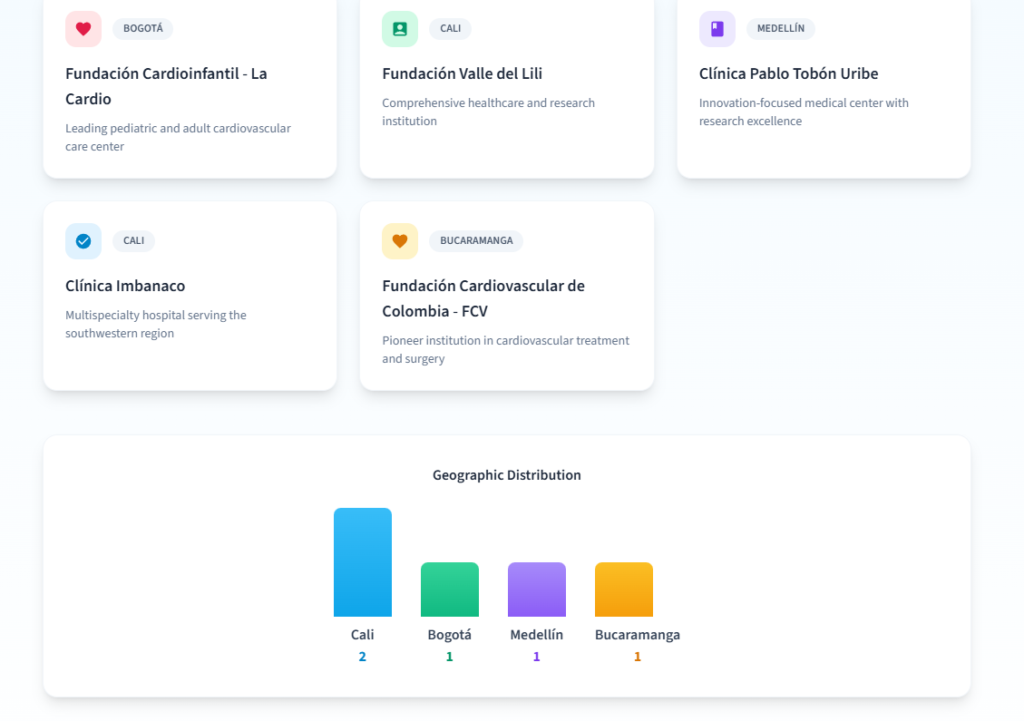
This includes partnerships with worldwide famous institutions like The Mayo Clinic, providing quality that lines up with what the most demanding North American patients expect. While in other South American countries the best hospitals are concentrated in one or two cities, in Colombia they are spread across different regions. The pricing is very competitive: hip replacements cost between $8,000 to $12,000, and a rhinoplasty is around $3,000.
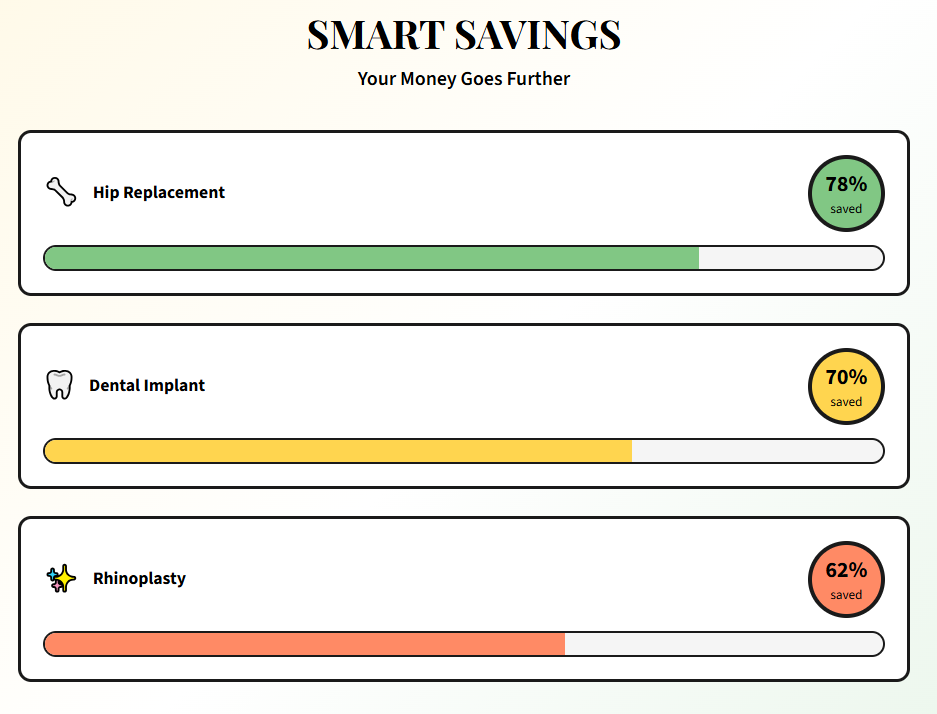
After the 1993 healthcare reform, private coverage expanded and medical clusters formed, allowing Bogotá and Medellín to cover a wide range of specialties. Cali becomes a key hub for cosmetic and bariatric surgery, while Bucaramanga hosts one of the continent’s largest medical free-trade zones, which supports capacity and service delivery for complex care. This spread changes the access problem we saw in countries where everything funnels into one capital.
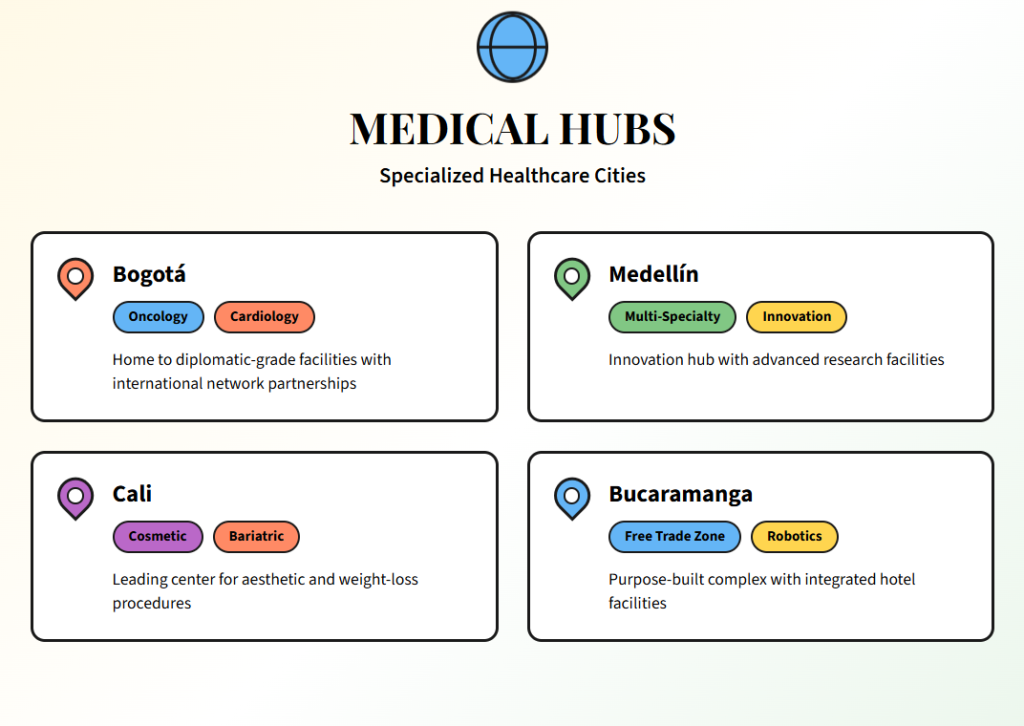
You can choose a city based on the specialty you need and still operate inside an ecosystem that expects foreign patients. Accreditation also solves the “trust gap” that drags down places like Paraguay and Bolivia. Colombia’s peso moves, but it does not swing with Argentina’s level of volatility, so pricing stays more predictable year to year.
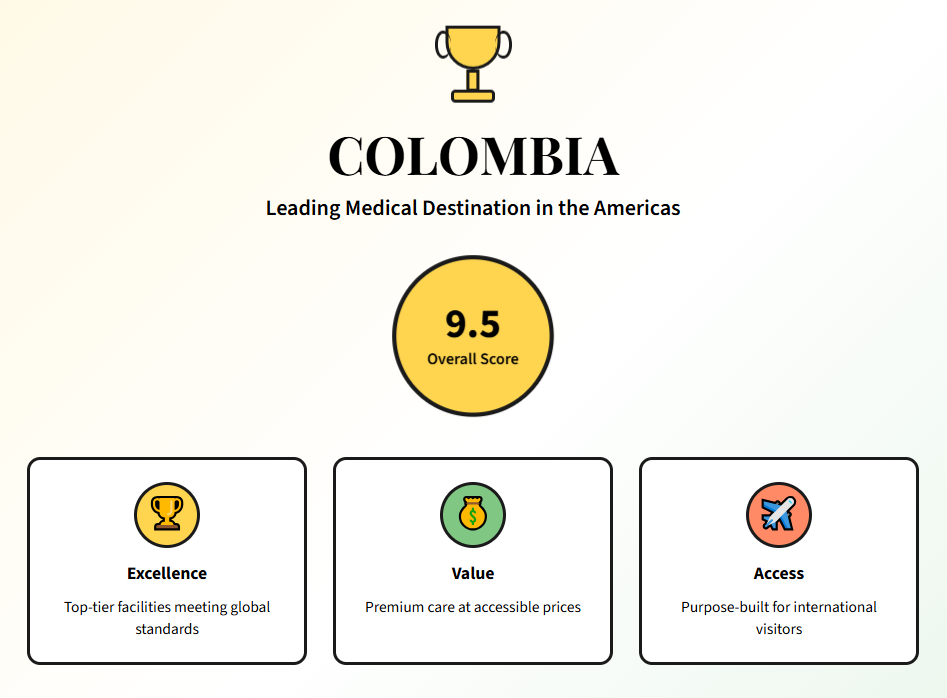
Add in internationally trained physicians and a medical culture that prioritizes patient service, and Colombia becomes the best all-around choice for retirees and remote workers.
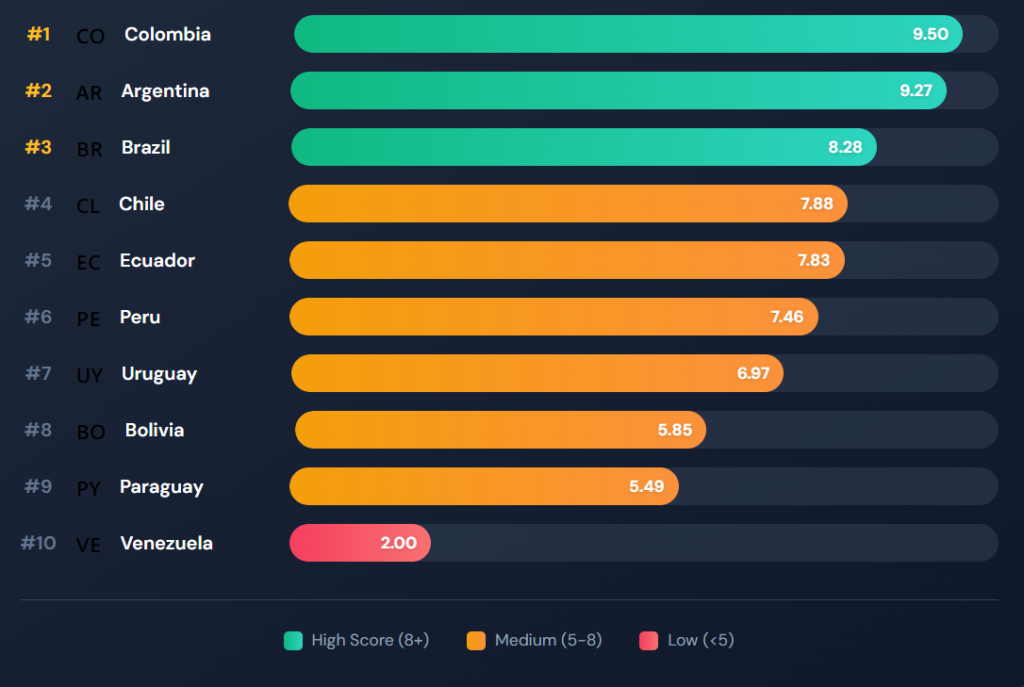
Now, if you want to know how South American countries compare against each other in things like safety, quality of life, and cost of living, I used my knowledge of 26 years living there and ranked all 10 South American countries from worst to best.
Levi Borba is the founder of expatriateconsultancy.com, creator of the channel The Expat, and best-selling author. You can find him on X here. Some of the links above might be affiliated links, meaning the author earns a small commission if you make a purchase.