Is the Portuguese dream officially over?
If you are planning a move based on getting one of the easiest EU passports, the math just changed.
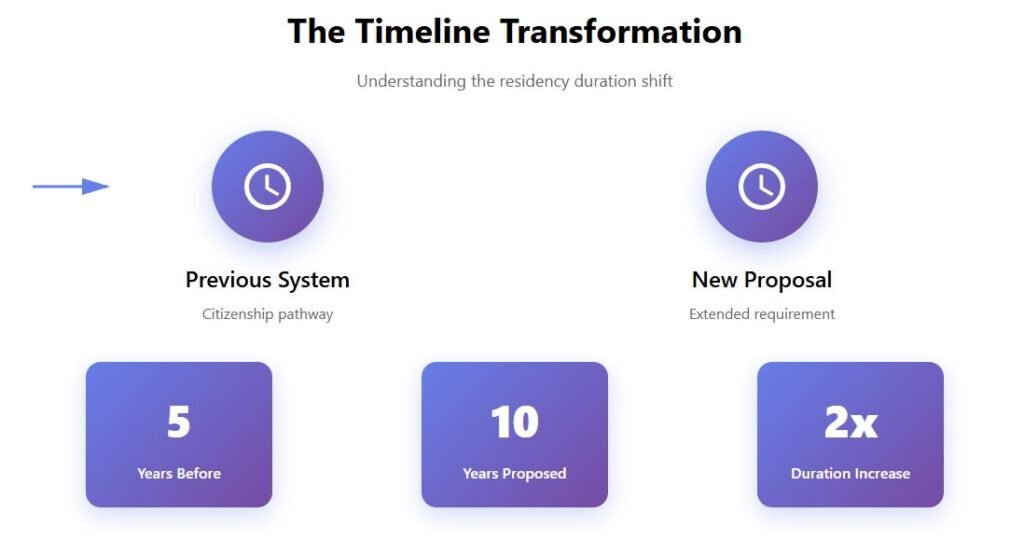
We’re talking about a potential jump from a 5-year wait to a 10-year lockup. That means a retiree on a D7 visa could be stuck in visa limbo twice as long.
But DO NOT cancel your flights to Portugal and book that one-way ticket to Spain or Italy yet – because today we will answer 2 crucial questions.
- Does a longer wait for a passport actually destroy the value of moving to Portugal?
- Is this country—once the brightest expat spot in all of Europe—out of reach?
We took this straight to the experts at StartAbroad to get the truth. They showed us a specific clause about “Permanent Residency” that changes everything.
It turns out, this might be even a massive opportunity for you, regardless of the passport timeline – we also analyzed the new bill against Spain’s ten-year requirement and France’s discretionary system, and the results will surprise you.
So let’s start with…
The Constitutional Court Standoff
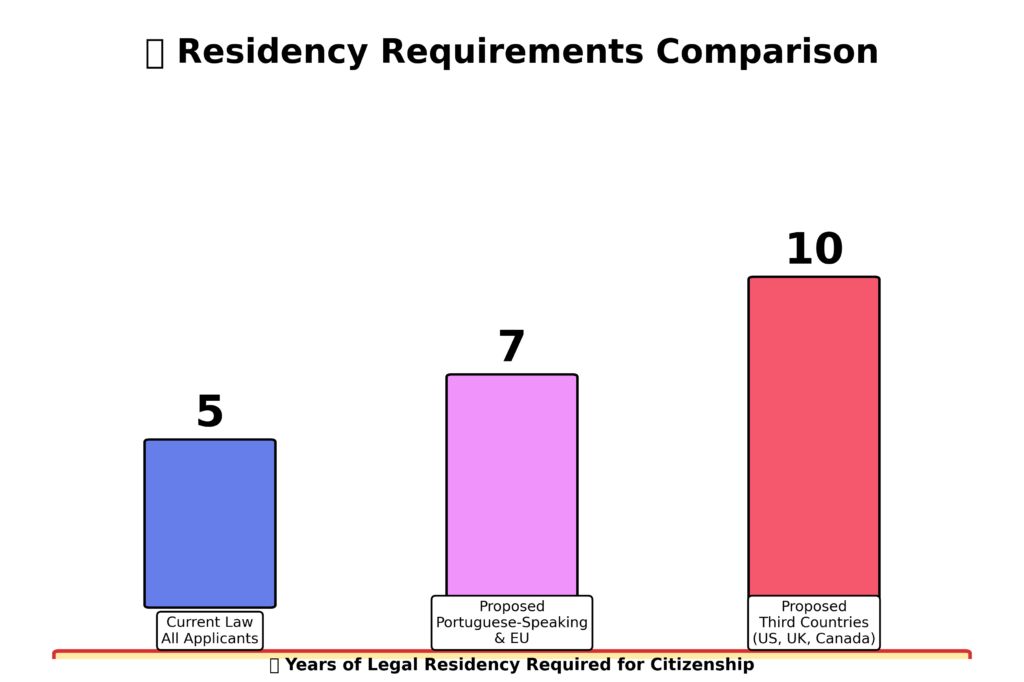
The Portuguese Parliament recently passed a bill proposing significant changes to the Nationality Law, specifically targeting Article 6. Under the current framework, you become eligible for citizenship after five years of legal residency.
The new bill, however, seeks to extend this timeline dramatically based on where you are from. If enacted, nationals from Portuguese-speaking countries and EU member states would face a seven-year residency requirement. For nationals of “third countries”—including the United States, the United Kingdom, and Canada—the requirement increases to ten years.
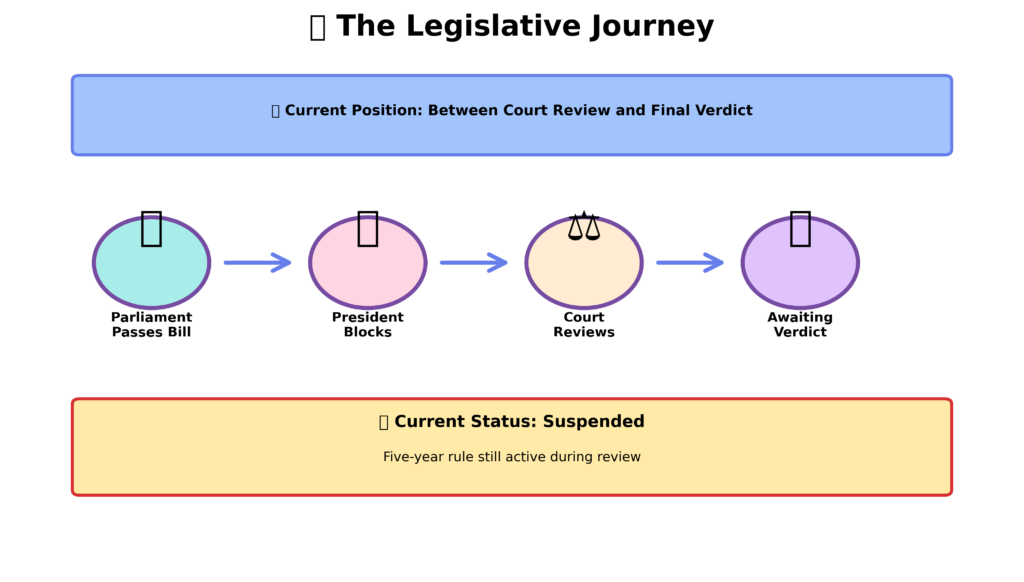
This legislation hit a wall before it could become law. The President of Portugal chose not to sign the bill and instead sent it to the Constitutional Court for review.
This intervention creates a critical period of suspension where the five-year rule remains legally active, but its future hangs in the balance. The Constitutional Court must now decide if the bill violates the principle of equality enshrined in the Portuguese Constitution. The core legal skepticism focuses on whether it is constitutional to demand ten years from an American applicant while requiring only seven years from a Brazilian or German applicant for the same status.
We analyzed the legal pathways available to the Court, and there are three specific verdicts they can deliver. Scenario A is a declaration of unconstitutionality. In this case, the Court rejects the distinction between nationalities.
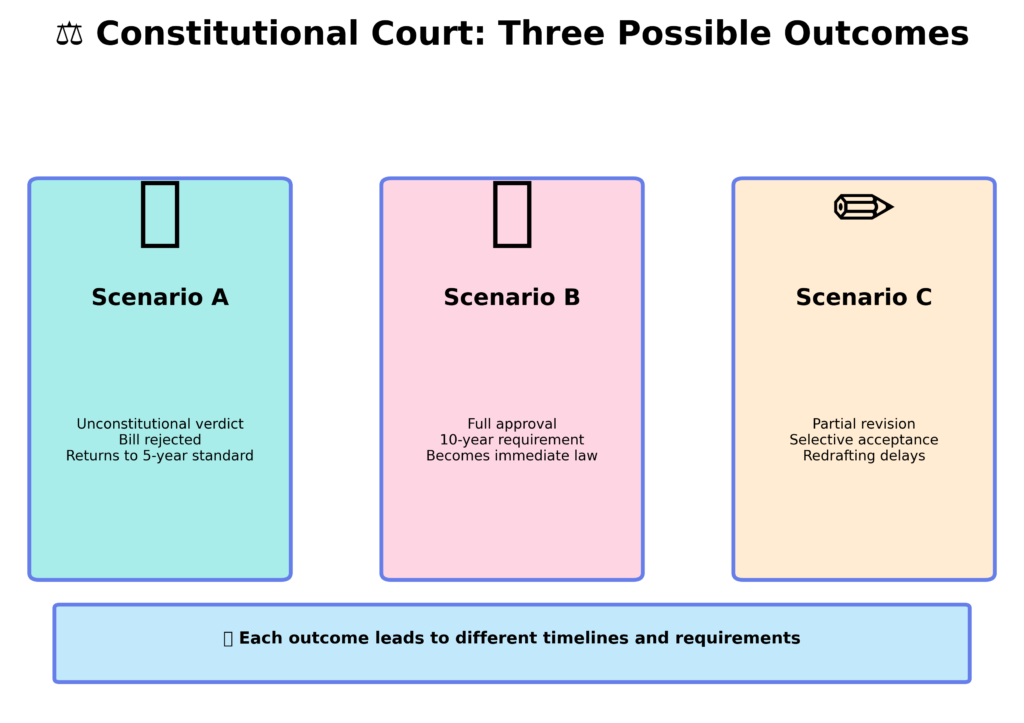
This would lead to a presidential veto and force the bill back to Parliament. Parliament would then have to remove the unconstitutional clauses or scrap the bill entirely, likely returning us to the status quo of five years for everyone.
Scenario B is full approval. The Court could decide the differentiation is legal. The President would then sign the bill, and the ten-year timeline would become law immediately.
Scenario C is a partial revision. The Court acts as an editor, accepting some parts of the law while rejecting others. This often leads to a complex redrafting phase that creates further delays in implementation.
For those of you already living in Portugal, the most urgent debate concerns your constitutional protection against retroactive laws. Article 18 generally prevents the government from stripping away rights you have already started to earn.
However, the current bill lacks clarity on transitional provisions. It does not explicitly state what happens to a person who is in year three of their residence.
As the StartAbroad team told us:
“Certainly, anyone who has already submitted their citizenship applications has a good chance of being considered under the 5 year rule.”
The danger zone affects current residents who have not yet reached the five-year mark. Previous legal changes included grace periods, but relying on a potential grace period is a risk. Until the law is published, the specific treatment of current residents remains speculative.
This upcoming ruling determines if your five-year clock is safe. But even if the worst-case scenario happens and the ten-year rule passes, you need to understand how that timeline stacks up against the rest of Europe before you make any rash decisions.

The 10-Year Comparison Trap
You see the number ten and you panic. You likely start checking real estate listings in Alicante or Provence. It feels like the Portuguese government just closed the door in your face.
But you need to stop and look at the actual data. We compared this potential new reality in Portugal against the systems in Spain and France. The results show that a longer timeline in Portugal might still be a better deal than the paths next door.
Let’s talk about Spain first. Spain is the most obvious alternative. It shares the same peninsula and offers a similar climate.
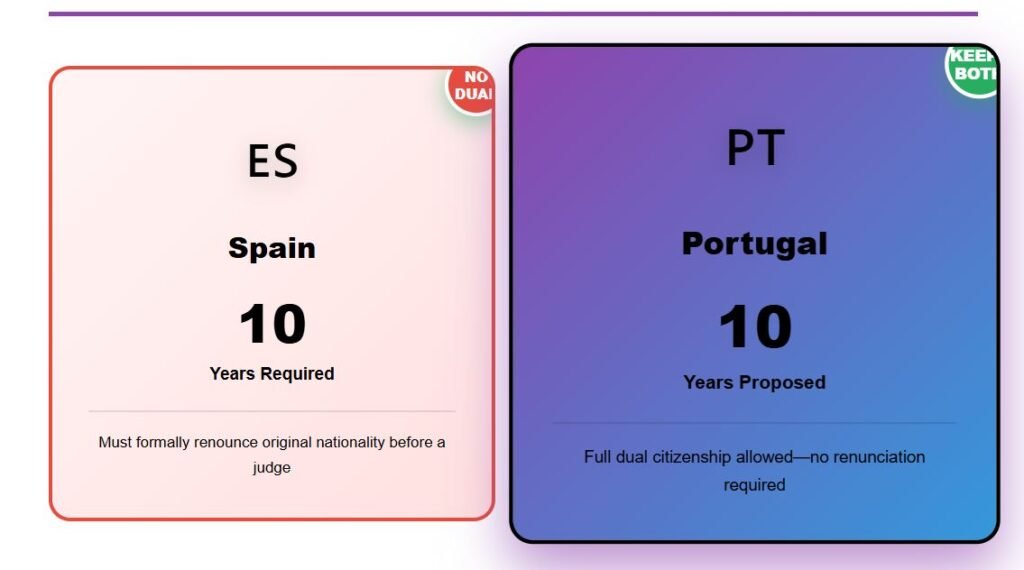
But for citizens from the United States, the United Kingdom, and Canada, Spain has a poison pill. Spain generally does not recognize dual citizenship for these nationalities. This is a massive legal barrier.
Dual citizenship is a huge factor. In my article ranking the easiest EU citizenships, I highlight exactly which countries allow you to keep your original passport, so be sure to check that out.
We dug into the legal details on this because there is a rumor you might have heard. There is a messy gray area that some expats try to exploit.

The US State Department dictates that you only lose US citizenship if you renounce it with the specific intent to relinquish it. So, some Americans sign the renunciation papers in Spain to satisfy the Spanish judge, but they never complete the exit process at the US Embassy.
They keep both passports in their pocket. This sounds clever, but it is dangerous. Source 3673520 explains that this practice is technically a form of deception. You are lying to the Spanish government during a legal proceeding. If Spain discovers this lie, you risk having your Spanish citizenship revoked entirely. You build a life for ten years only to lose it because you tried to trick the system.
Portugal never asks you to make this choice. You keep your original passport, no questions asked.
Spain is a complex topic right now—I’m thinking about doing a deep dive article just like this one, but focused entirely on the new Spanish laws. Type ‘Spain’ in the comments if you want me to write about it.
Then look at France. France seems faster on paper. They offer a five-year path to citizenship.
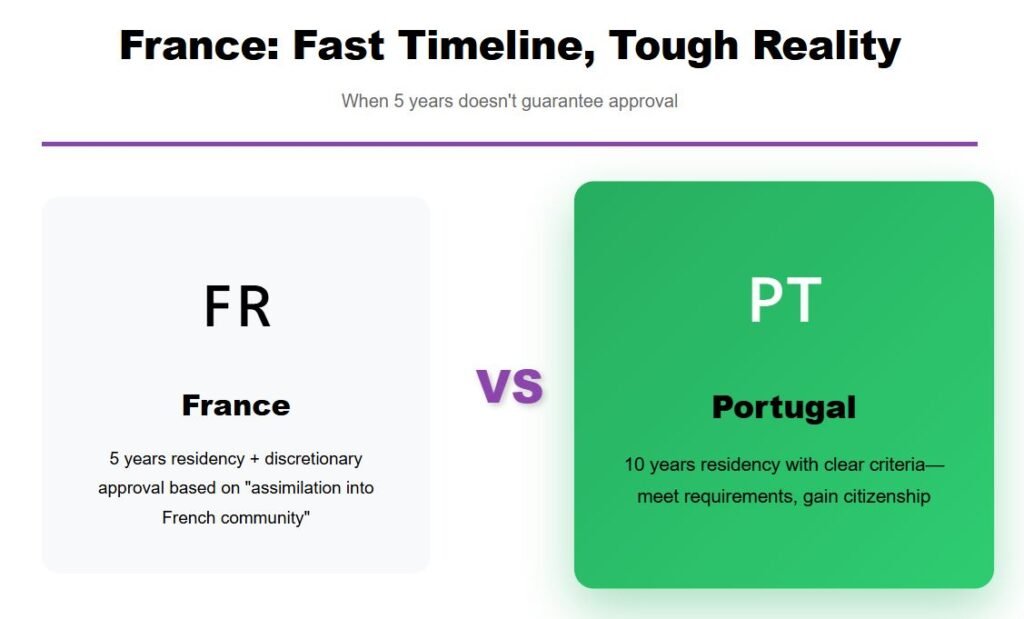
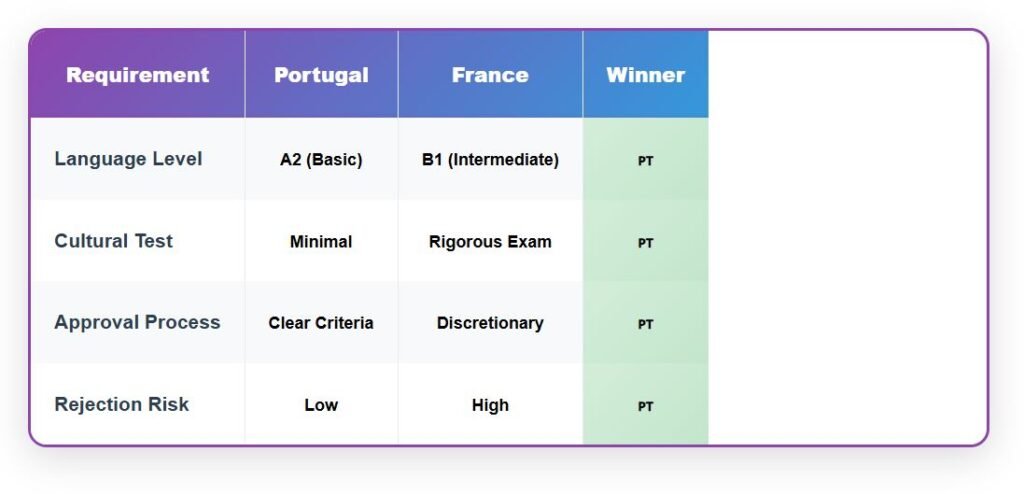
But reading the law is different from living the reality. France uses a discretionary standard called “assimilation into the French community.” You can pay your taxes and obey the law for five years and still get rejected.
The process involves a rigorous interview. The government tests your knowledge of French history, culture, and secularism. This is not a simple chat.
It is an exam. Prefectures often reject applications for vague reasons related to a “lack of integration.” There is no guarantee of approval even if you meet the time requirements.
The language requirement is also much steeper in France. You currently need a B1 level of French to apply. This means you must be able to maintain a conversation and handle most situations that arise while traveling.
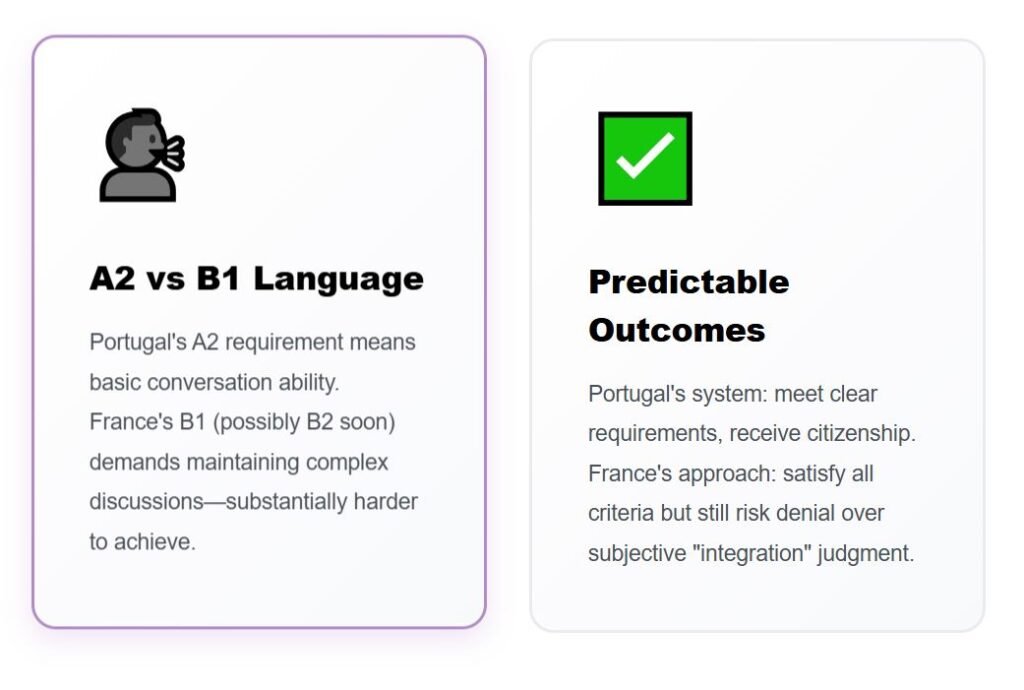
There are even discussions about raising this requirement to B2. Compare that to Portugal. Portugal requires only an A2 level.
This is basic, beginner-level communication. It is remarkably easier to achieve than the intermediate fluency France demands.
Finally, look at your money. France enforces strict inheritance laws known as the “Réserve Héréditaire.” This law strictly limits your ability to disinherit children.
A specific portion of your estate must go to them. You cannot write them out of the will. This applies regardless of your personal family situation or your wishes.
Portugal offers a massive advantage here. Portugal allows you to choose the law of your nationality to govern your succession. If your home country allows you to distribute your assets however you want, Portugal respects that choice.
You control your legacy here.
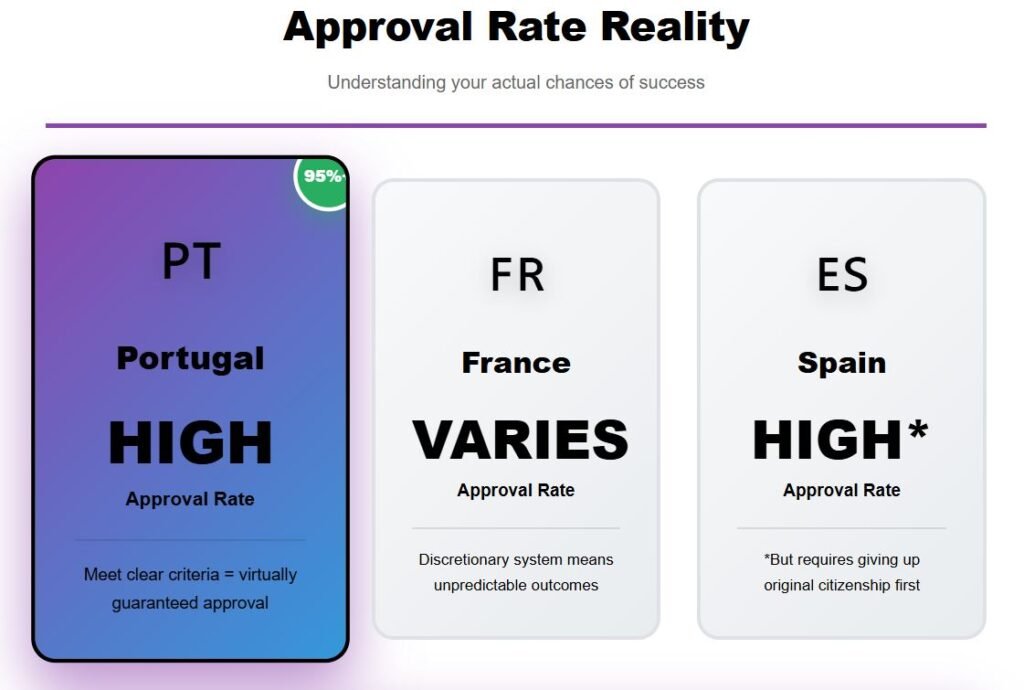
When you stack these facts up, the ten-year wait in Portugal looks different. It is a delay, yes. But it is a delay with an almost guaranteed result.
You keep your passport. You face an easier language test. You control your estate. Spain and France offer shorter or similar timelines on paper, but they come with unacceptable trade-offs that compromise your freedom and your assets.
PS: My Expat Wealth & Lifestyle Compass (valued at $108) is yours FREE for a limited time! Receive our 74-page analysis of affordable cities in Spain, Italy, and France; our guide for Zero-Income Tax countries that can save you up to $15,600; and the checklist that prevents costly mistakes. Don’t let your chances go away-join us for free!
The Permanent Residency Safety Net
Most headlines scream about the ten-year wait, but they ignore a massive loophole so large you could drive a moving truck through it. You do not need a passport to live in Portugal indefinitely.
This is the biggest myth expat retirees fall for. You confuse “Citizenship” with the right to remain. These are two completely different legal concepts governed by two completely different laws.
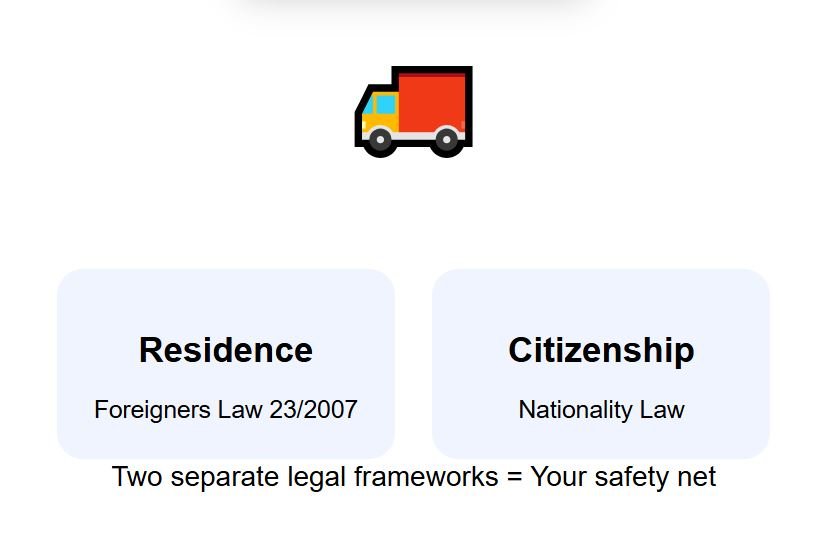
The controversy you see on the news targets the Nationality Law. It does not touch the Foreigners Law, specifically Law 23/2007.
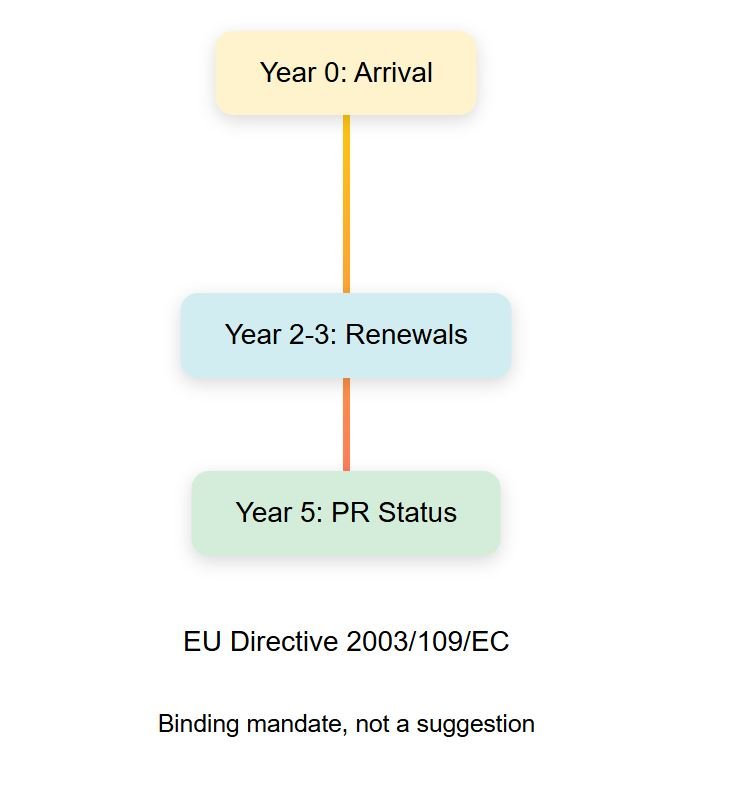
This law aligns with EU Directive 2003/109/EC. This directive mandates that third-country nationals must be granted long-term resident status after five years of continuous legal residence. This is not a suggestion from the Portuguese government. It is a binding European Union mandate. Portugal cannot simply delete your right to Permanent Residency because it changes a citizenship timeline.
We reached out to StartAbroad to confirm if this safety net is actually solid. They were clear:
“It is important to note, even if the bill passes as written, there will still be the option of applying for permanent residency in Portugal after 5 years of living there.”
This prevents your relocation plan from crumbling. It means that at the five-year mark, you still cross a finish line. You still transition from a temporary visitor to a permanent resident.
This 5-year mark is standard in many places, but some are faster than others. I actually ranked the easiest countries for permanent residence in Europe in a separate article.
So, what does Permanent Residency actually give you? It grants you full access to the National Health Service—the SNS. You pay the same low costs as a Portuguese local.
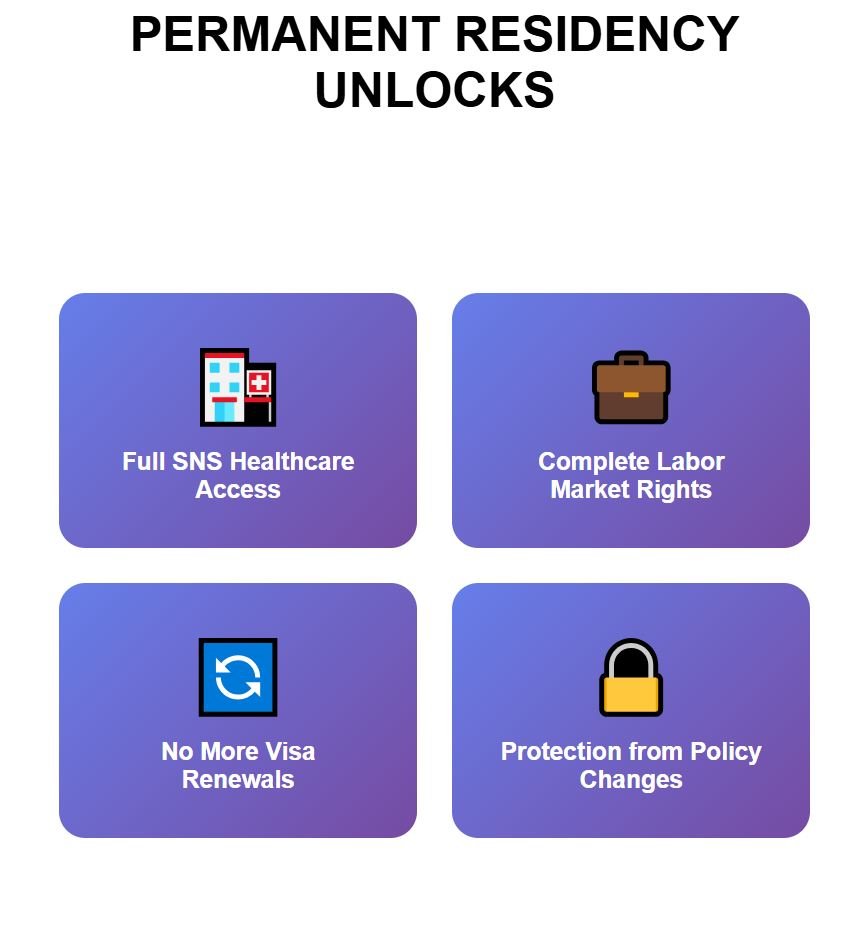
You gain full access to social security and the labor market. If you want to work, you can. If you want to retire, you can.
Crucially, PR ends the cycle of constant visa renewals. You step off the bureaucratic treadmill. You no longer have to prove your income or show your lease every two years at the AIMA office.
Unlike the temporary D7 or Digital Nomad visas, which carry the stress of periodic renewal, PR offers a secure foundation. You get a status that protects you from future immigration policy shifts just like a passport would.
It also protects your ability to travel. A Permanent Residency card allows you to travel within the Schengen Zone for up to 90 days in any 180-day period. You can spend your weekends in Spain or your summers in Italy without needing a visa.
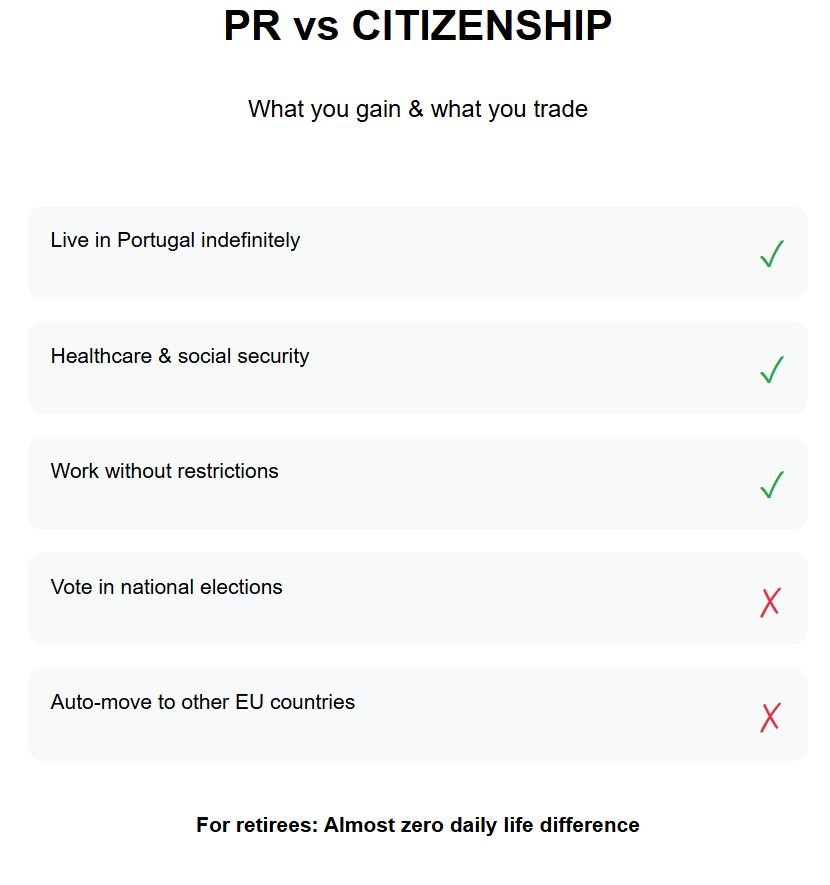
Now, you need to understand the specific trade-off—there are two things PR cannot do. First, it does not let you vote in national elections or hold public office.
Second, it does not give you the automatic right to move your residence to another EU country. With a Portuguese passport, you could move to Berlin tomorrow and start working. With Portuguese Permanent Residency, your right to live is tied to Portugal.
To move to Germany to live, you would need to apply for a German visa. But for most of you, this does not matter.
If your plan is to retire in Portugal, the difference between PR and Citizenship implies almost zero change to your daily life. Your security locks in at year five. The government cannot kick you out.
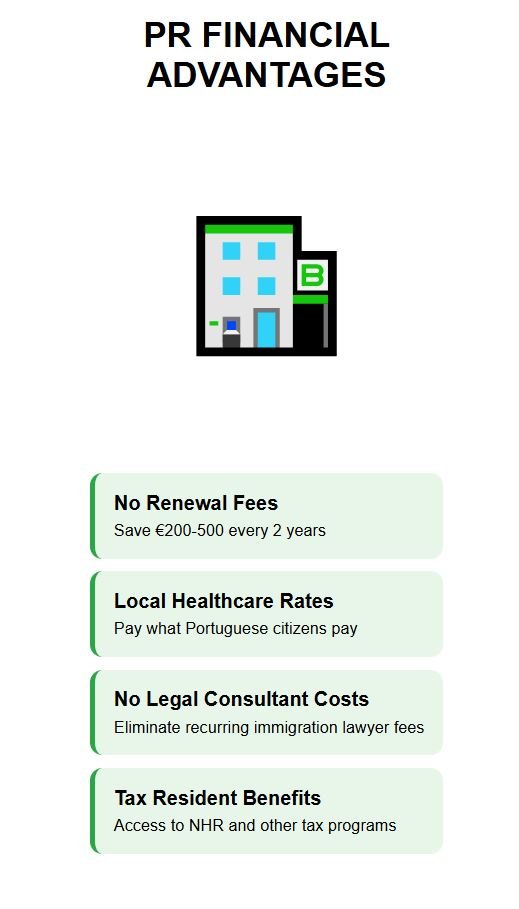
This distinction saves your long-term relocation plan from total failure. It allows you to secure your future while the politicians argue about the passport timeline. And that creates a stable foundation for the next critical factor: your money.
The Financial Math That Still Works
A longer wait for a passport does not change the cost of your groceries. When you look at the financial math, the delay in citizenship focuses on a piece of paper, but your daily life focuses on your bank account.
We analyzed the financial incentives that keep Portugal ahead of France and Spain, and the numbers tell a very clear story. High taxes elsewhere can drain your pension faster than a long visa wait ever could.
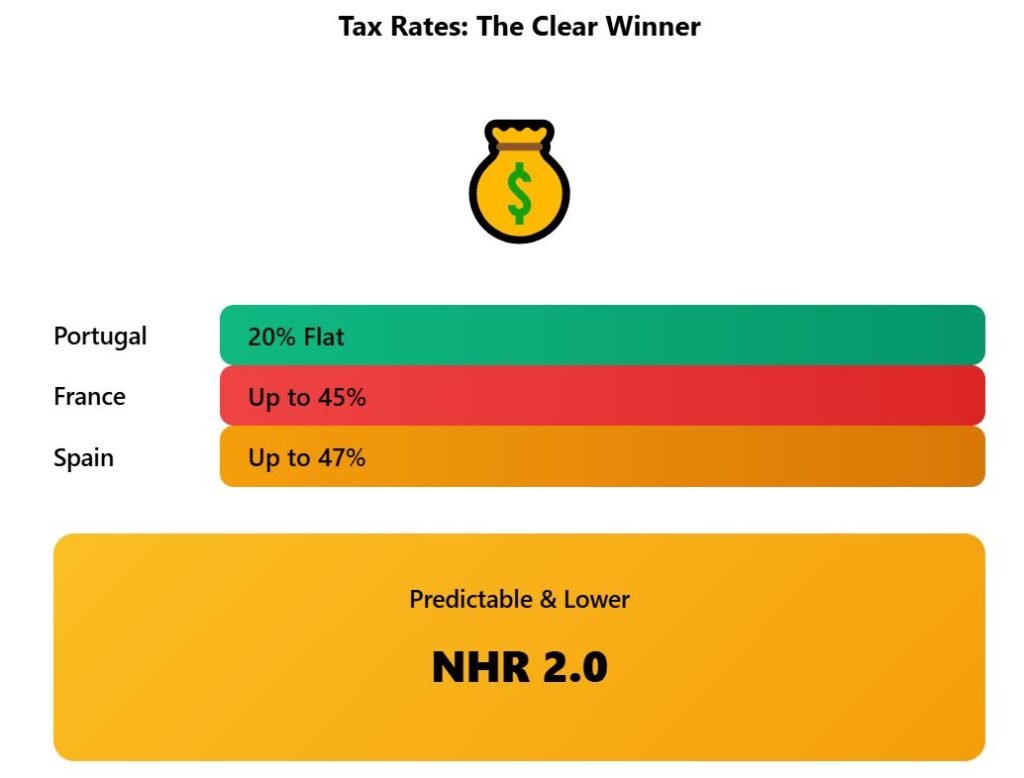
Let me tell you about the taxes on your income first. The NHR 2.0 regime still offers a flat 20% tax on eligible income. This provides a predictable ceiling on what you owe.
Compare this to France. In France, you face a system where the state covers only about 70% of healthcare costs. This gap forces you to purchase “Mutuelle,” or top-up insurance, which leads to generally higher healthcare expenses.
In Portugal, the private market operates on a fraction of those costs. We found specific quotes for comprehensive private insurance for a healthy 60-year-old couple. The price comes in between €150 and €200 per month.
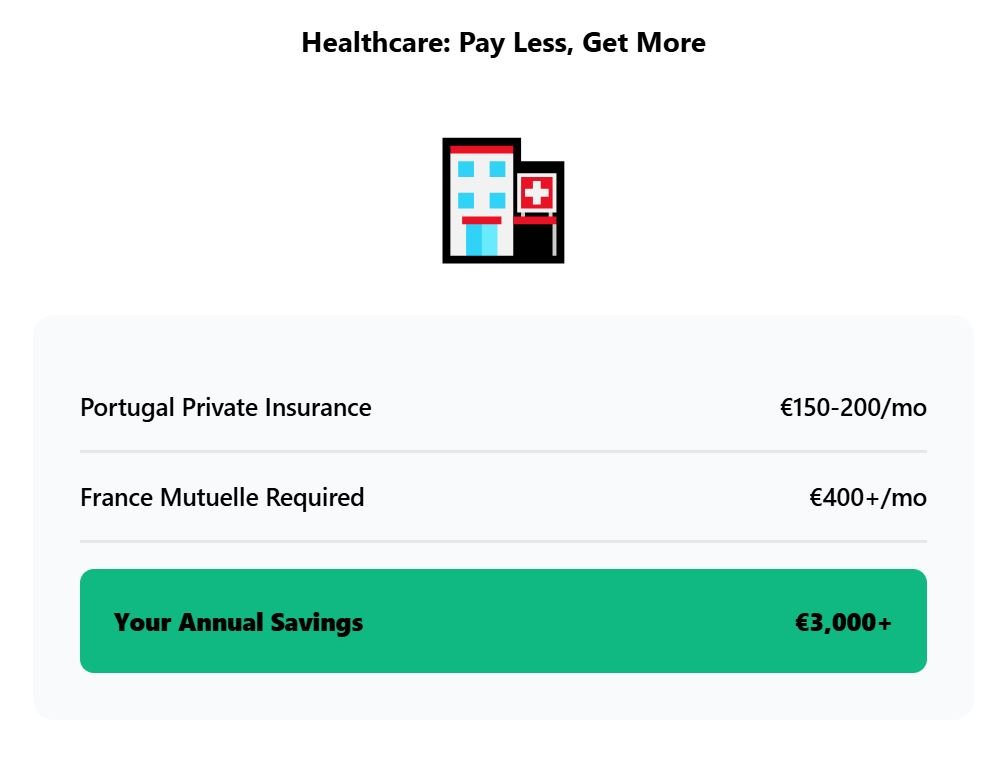
That is the total cost for two people. If you move here from the United States, you know that comparable coverage would be much more expensive. You save thousands of euros annually here on premiums alone, justifying the longer citizenship timeline purely on savings.
Then there is the massive liability you face in Spain—a trap most people miss when they compare the two countries. Spain enforces a Wealth Tax, known as “Impuesto sobre el Patrimonio,” plus a “Solidarity Tax” on high-net-worth individuals.
The rates range from 0.2% to 3.5% of your worldwide assets depending on the region. This applies to money you surely already paid taxes on in your home country.
Our research details that a retiree with a $2 million portfolio and a house can end up paying thousands of euros annually merely for having money, regardless of their actual income. Portugal specifically avoids this.
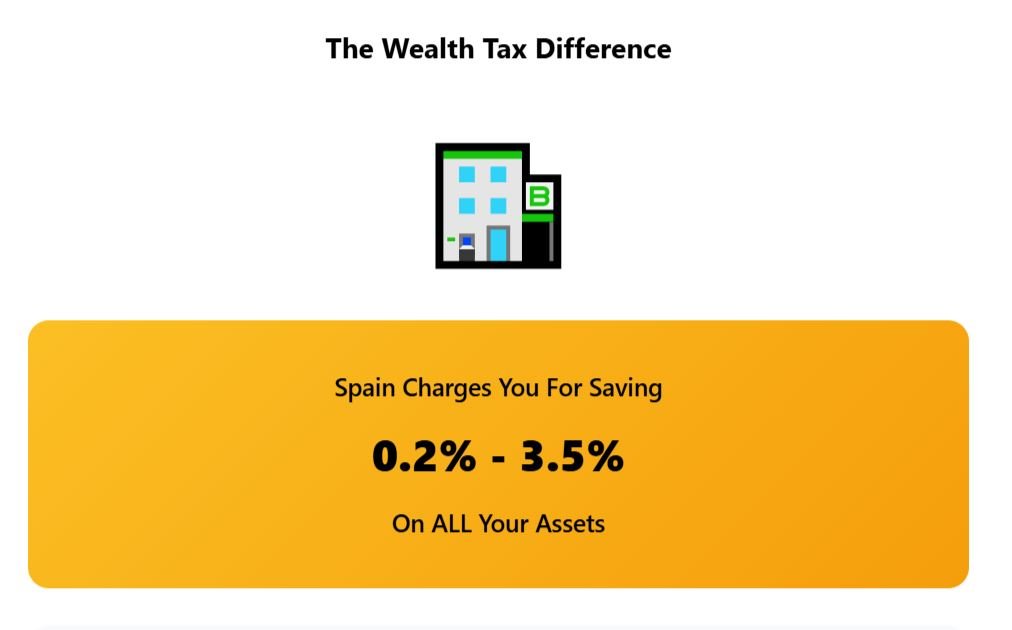
There is no wealth tax there. Your accumulated assets remain yours. You do not pay a fee to the government just for existing with savings.
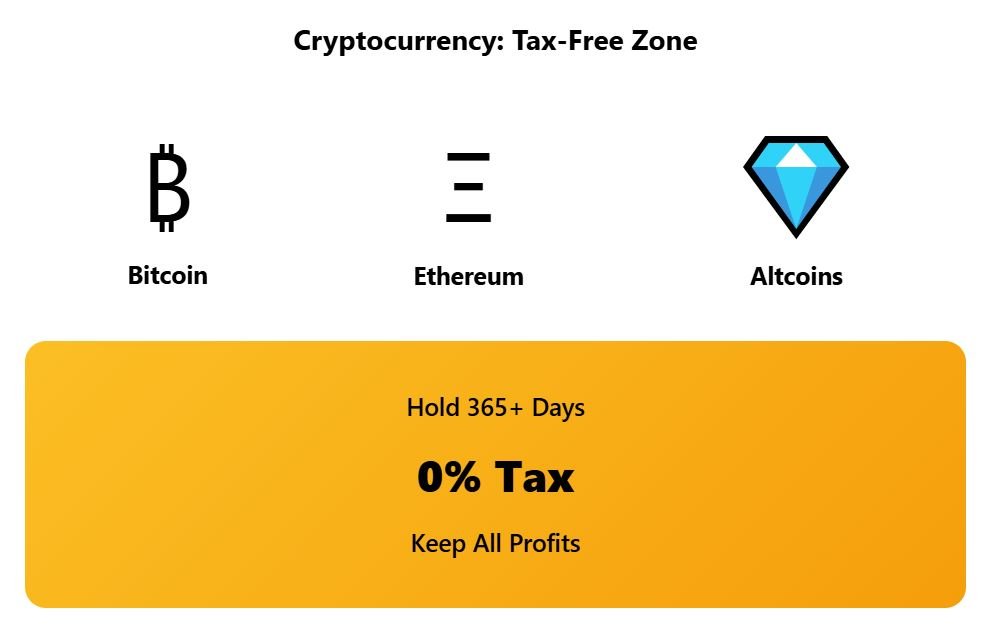
We also need to address cryptocurrency because the difference here is stark. If you hold Bitcoin or other digital assets, Portugal offers a significant advantage. Crypto gains held for more than 365 days are tax-free.
You sell after a year, and you keep the profit. This is unlike Spain and France, where crypto is heavily taxed. If you are an investor, this policy alone can cover your living expenses for years.
The return on investment for your move remains positive purely on a balance sheet basis. You might wait an extra few years for a passport, but during those years, you act as a tax-efficient resident rather than a source of revenue for the state.
You save on health insurance every month. You avoid the wealth tax every year. You cash out your crypto without a penalty.
When you run the numbers, the financial argument for Portugal protects your capital in a way that its neighbors simply do not. You secure your financial future here, and that security pays for the wait.

The Day-to-Day Reality Check
You can have the most tax-efficient status in Europe, but if you feel unsafe walking home at night or cannot explain your symptoms to a doctor, your quality of life collapses. These are the factors that usually matter more than the color of your passport.
When we compare Portugal to its neighbors on these specific data points, the gap is even wider than the tax savings suggest. The first major hurdle you face in any relocation is the language barrier.
You often underestimate this until you are standing in a government office trying to set up your utilities. Portugal currently ranks in the top 10 globally on the EF English Proficiency Index. That puts it in an entirely different league compared to its major competitors.
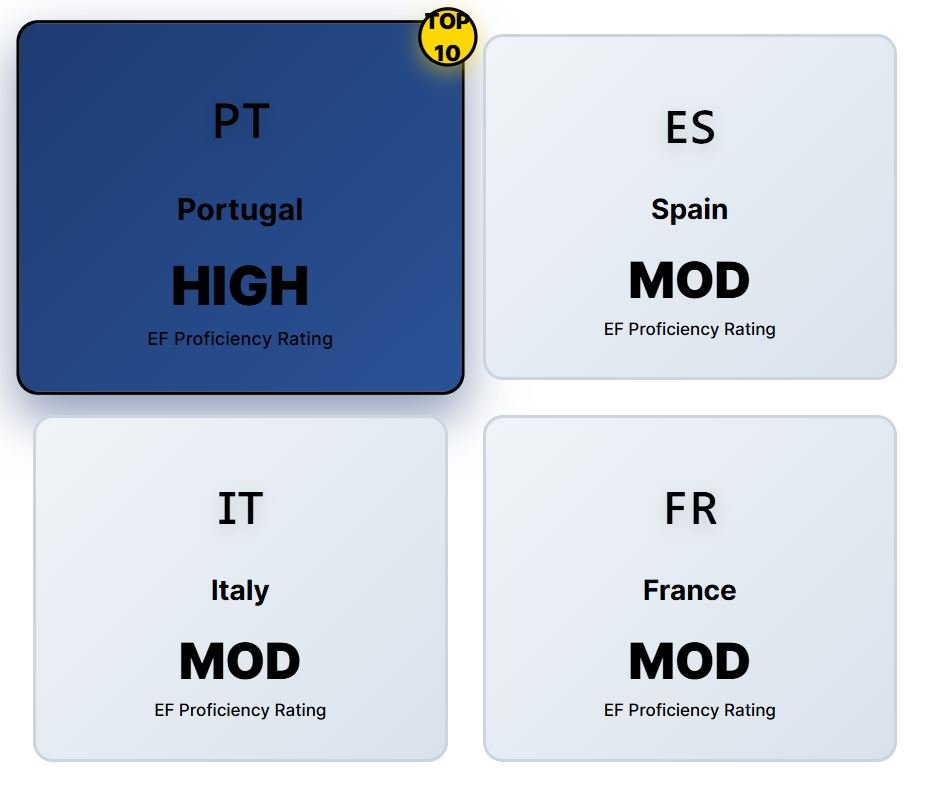
Spain, Italy, and France consistently rank in the “Moderate” proficiency bands. The difference between “High” and “Moderate” determines whether you can open a bank account in twenty minutes or if you need to hire a translator just to sign a lease.
This proficiency is not an accident. It comes from a specific cultural policy regarding media. We looked at how these nations consume entertainment.
In Spain, Italy, and France, television and cinema are almost exclusively dubbed. The average person grows up hearing Brad Pitt speak Spanish or Italian. In Portugal, the standard is subtitling.

The population grows up hearing English from a young age. This creates an environment where the person serving your coffee or processing your residency renewal likely speaks conversational English
Then you have to look at safety. This is often the primary driver for retirees and families. The Global Peace Index for 2024 places Portugal in the top 7 safest countries in the world.
This ranking measures everything from violent crime to political instability. When you look at the data for France, it often ranks below 50th due to ongoing social unrest and security concerns in major urban centers.
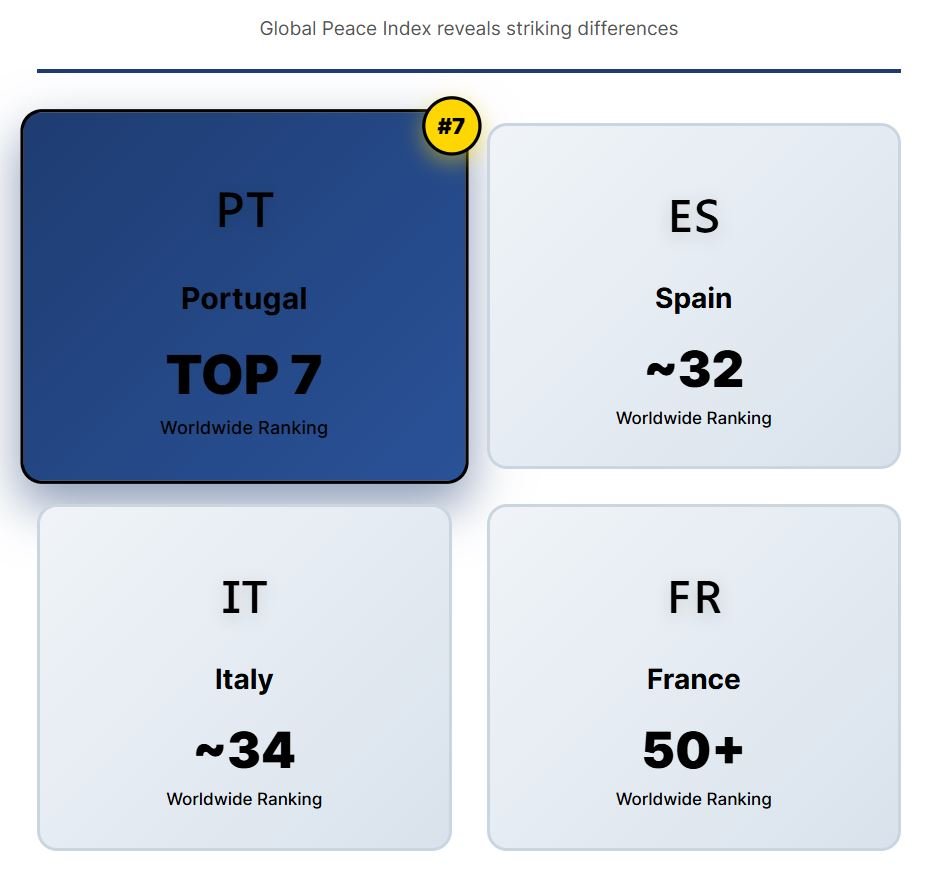
Spain and Italy generally fare better than France but still struggle with higher rates of petty crime in tourist areas compared to Portugal. In Portugal, the sense of security is tangible. It allows you to live with a level of relaxation that is increasingly hard to find in other parts of Western Europe.
Finally, we need to talk about where you can actually afford to live. Most people look at Lisbon and assume the whole country is expensive. That is a mistake.
Portugal actually has some of the absolute best European cities to live in. In fact, in a previous article, I covered all the best cities to retire in Europe, and you’ll want to see which Portuguese spots made the list.
We suggest you look at “Tier 2” cities like Leiria or Braga. These cities offer high infrastructure standards without the tourist inflation. Our research tracking rental markets found a stark difference here compared to France.

StartAbroad shared a specific case of a retired American client who chose an unusual city in Portugal. They told us:
“She wanted a place where she didn’t have to spend more than €800/month for a comfortable rental with at least 2 bedrooms.”
And she found exactly that because Leiria is simply more affordable. If you try to find an equivalent property in a French town with similar amenities, you face a much harder market.
Similar accommodations in meaningful French urban hubs likely exceed €1,000 per month. In Portugal, you get a lower cost of living combined with a higher safety index and a population that understands your language.
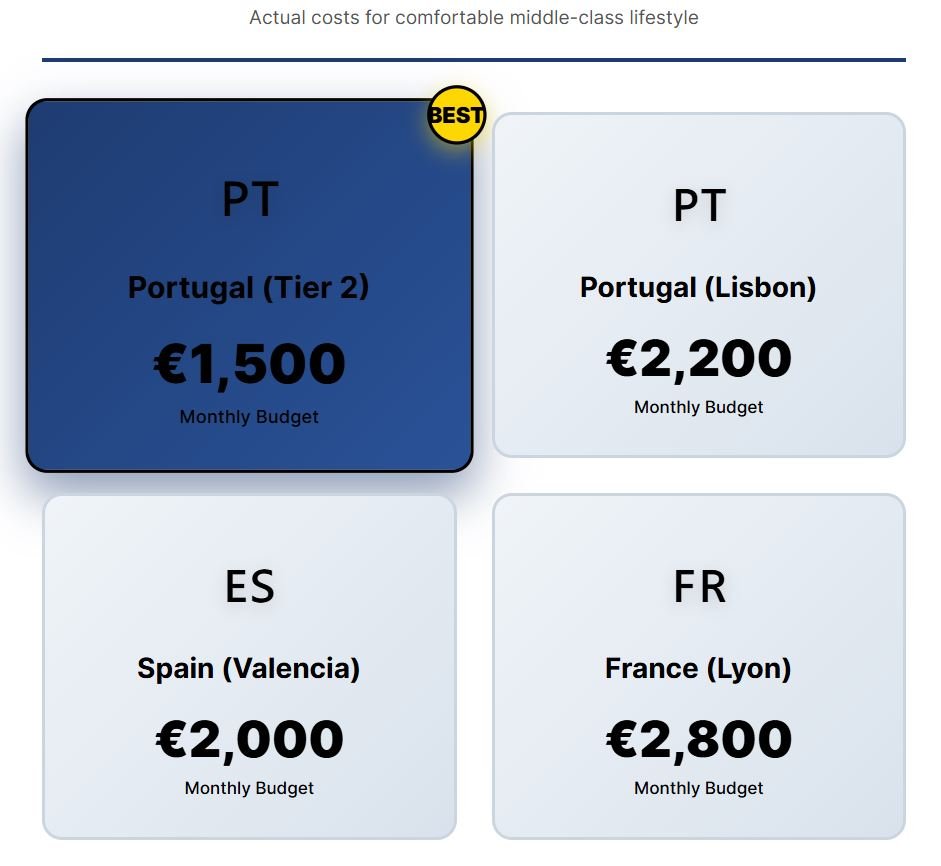
You trade a potential ten-year wait for citizenship for a daily reality that is simply easier to navigate. The “English Factor” and the safety data prove that Portugal remains functionally superior for the average expat, regardless of what the Constitutional Court decides.
So?

The ten-year threat is real, but it is not a reason to cancel your move. The data proves that Portugal holds its value even with a longer timeline.
If you are on the fence, waiting is the only mistake. You need to secure your residency now to potentially benefit from future grandfathering clauses before the Constitutional Court acts.
If you are wondering where exactly to settle, remember that Portugal offers an incredible variety. For you, I ranked the best cities and towns to live in Europe.
Levi Borba is the founder of expatriateconsultancy.com, creator of the channel The Expat, and best-selling author. You can find him on X here. Some of the links above might be affiliated links, meaning the author earns a small commission if you make a purchase.