Living abroad changes everything. The familiar dissolves, replaced by new languages, unfamiliar streets, and an ever-shifting sense of place.
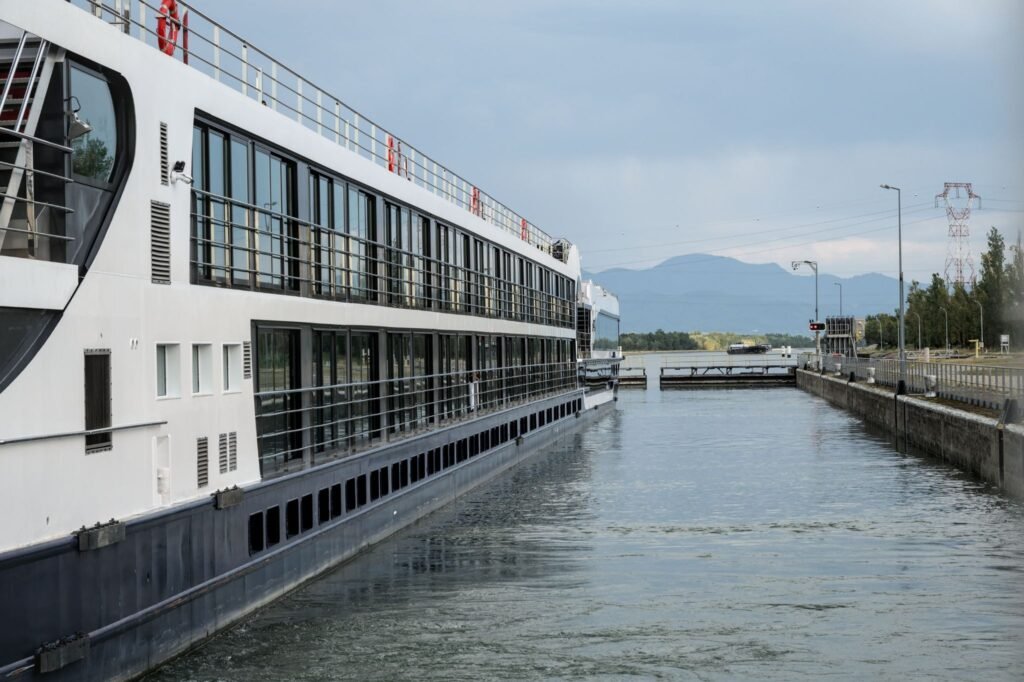
Photo by Jean-Paul Wettstein: https://www.pexels.com/photo/a-ship-on-a-river-19436800/
For 65% of expats, cultural adaptation is the most significant hurdle, with 92% describing it as a “great challenge” or a “very difficult” experience. Yet hidden within the first months of relocation lies a travel strategy so simple, so quietly effective, that thousands of newly settled Americans overlook it entirely.
River cruising.
Not the glossy vacation marketed to retirees back home, but a deliberate tool for building cultural fluency, geographical confidence, and social networks across borders.
In 2024, approximately 823,502 Americans lived in Mexico, representing nearly 26% of all U.S. expats, and many are discovering that shallow-draft vessels gliding through Rhine vineyards or Danube capitals offer something far more strategic than leisure.
Why Expats Struggle to Anchor in Their New Country
The first six months abroad expose a paradox. You moved to experience a new culture, yet daily survival demands consume every waking hour. Bureaucracy, language barriers, and isolation compound quickly.
To adapt successfully, it’s important to maintain an open and flexible mindset, though you may encounter unfamiliar foods, different work cultures, new transportation systems, and unique social behaviors.
Wide-ranging research suggests that strong social ties are linked to a longer life, while loneliness and social isolation are linked to poorer health, depression, and increased risk of early death. Yet building those ties requires more than language apps and optimism. It demands structured exposure to the regional rhythms that define daily life across your new continent.
Many expats retreat into their apartments, waiting for fluency or confidence that never quite arrives. Others burn through savings visiting tourist traps that teach them nothing about how locals actually live. River cruises solve both problems at once. They transport you through multiple cities and villages in a single week, offering nightly immersion without the exhausting logistics of trains, hotels, and navigation apps in three different languages.
How European river cruises Build Cultural Competence Without Burnout
With thoughtfully crafted itineraries and immersive access to cities, villages, and landscapes, river cruises in Europe offer deep connection to the culture around you, as you sail through the storybook heart of Europe on Upper and Lower Danube routes where each bend brings a new perspective. The format matters. You unpack once, sleep in the same cabin each night, and wake in a new destination where guided excursions handle the overwhelming details that paralyze independent travel during your adjustment period.
You usually dock very near or right at the destination of the day, and there is a tour or place to see every day, with no sea days like on a big ocean cruise ship; being near or in the center of the city, town or village you are about to explore is a big advantage, and in five minutes all guests are off the boat and seeing the sights. This proximity eliminates the friction that stops overwhelmed expats from exploring. No metro transfers. No rental cars. No panicked Google Translate sessions while lost in unfamiliar suburbs.
The ships themselves foster unexpected connections.
European river cruise ships feature luxurious accommodations with an average capacity of 120 guests, the highest staff-to-guest ratio in the river cruise industry, impeccable hospitality, and numerous all-inclusive benefits. That intimate scale means you’ll share meals and excursions with the same small group throughout the week, creating natural opportunities for conversation that large ocean liners never provide.
The Strategic Advantage Seasoned Expats Already Know
Smart expats book river cruises within their first three months abroad. The timing is deliberate. You’ve survived the initial chaos of residency permits and utility hookups, but you haven’t yet developed the complacency that keeps you circling the same six-block radius for years.
With a river cruise, you enjoy seamless travel between destinations with no hotel changes, no trains to catch, no long transfers, simply unpacking once and letting the scenic waterways guide you from city to city.
This logistical simplicity matters more during your adjustment period than any other time in your life.
You’re still learning which documents you need, which websites actually work, which bus routes connect to the train station. River cruising removes those variables for one week, letting you focus entirely on absorbing how different regions interpret the culture you’re trying to understand.
The value compounds when you return to your adopted city. Every conversation with locals suddenly references places you’ve now seen. The Hungarian colleague who mentions weekend trips to Bratislava no longer describes an abstract concept. The German neighbor who invites you to visit his family’s vineyard along the Rhine now speaks your language. Cultural integration abroad accelerates when you can contribute meaningfully to these exchanges rather than nodding politely while feeling excluded.
Research has shown that connecting with others, called social support, can help you get active and make changes to improve your health, as social connections may help protect health and lengthen life, with scientists finding that our links to others can have powerful effects on our health. River cruises create natural networking opportunities.
You’ll meet fellow expats who’ve solved problems you haven’t encountered yet, locals who explain regional differences you’d never notice independently, and travelers who later become weekend hosts when you’re ready to explore beyond your base city.
Beyond Tourism: How River Cruises Teach Regional Literacy
River cruising is all about the destinations, and even though some travelers have been to Europe for over 48 years, they could not do what river cruise companies do in one week, as these companies are experts in showing you the best sights in the least amount of time, offering a truly unique way to see the interior of a country. That expertise becomes your education.
The ships visit major capitals but also dock at medieval towns with populations under 5,000.
On the Rhine, you’ll visit major cities but also stop at very out-of-the-way little villages, or perhaps places that were really big in medieval times and have a historic castle there, or some significant agricultural wine making, or a chateau, definitely getting a huge cross section from big bustling towns down to sleepy little villages. This range exposes you to cultural variations that remain invisible if you only know one city. You’ll notice how Austrian formality differs from Hungarian warmth, how German punctuality contrasts with French spontaneity, how Dutch directness surprises expats from cultures that value subtlety.
These observations carry practical weight. Research from the National Institutes of Health confirms that diverse social connections and cultural exposure strengthen both mental and physical resilience. The knowledge you gain shapes everything from job interviews to dinner party conversations. You’ll understand regional pride, historical grudges, architectural preferences, and food traditions that define how locals see themselves and each other.
The Economics of Early Investment
River cruises require upfront capital.
River cruises start at around $1,999 for an 8-day cruise, which is budget-friendly considering the all-inclusive five-star cuisine, premium wines and spirits, and incredibly VIP excursions, making river cruises one of the best ways to travel even on a budget. For expats still adjusting to foreign ATM fees and currency conversion, that price point feels steep.
Yet compare it against the alternative. How much will you spend over the next year taking poorly planned weekend trips, booking last-minute flights when homesickness strikes, or subscribing to language apps that never quite deliver fluency? How many months will you waste feeling isolated before you finally develop the confidence to explore independently?
Transportation is included when you pay for a river cruise, and what novices don’t realize is how expensive it can be to travel from one city to another in Europe in such a short amount of time; with 6 cities in just 8 days, you’re looking at rather costly high-speed train tickets which add up quickly, not to mention how exhausting it would be to pack and unpack every single day, making a home base for the entire duration of the trip truly more enjoyable. The math shifts when you calculate avoided costs. One week of river cruising often costs less than attempting the same itinerary independently while carrying the cognitive load of planning each segment yourself.
Smart expats treat river cruises as educational infrastructure rather than vacation splurges. The investment returns compound over years as you leverage the regional knowledge, social connections, and cultural confidence you gained during that single week. Studies from the CDC emphasize that structured cultural immersion reduces the mental health challenges associated with long-term relocation.
Choosing Your Route Based on Where You Live
Your home base determines which river makes strategic sense. American expats settling in Prague, Vienna, or Budapest should prioritize Danube cruises. Those in Amsterdam, Cologne, or Frankfurt benefit most from Rhine itineraries. Portugal residents gain more from Douro routes than from sailing rivers six countries away.
The proximity matters because you’re not just sightseeing. You’re conducting reconnaissance on the regions you’ll visit repeatedly for work trips, family hosting duties, and weekend escapes throughout your expat tenure.
You’ll explore cities like Vienna, Bucharest, Budapest, Bratislava, and Belgrade, wandering the scenic waters of the Wachau Valley and the Iron Gates, where every moment flows with culture, history, and elegance from imperial palaces to riverside cafés to festive Christmas markets.
That familiarity accumulates value. Two years into your expat life, when your company asks you to host clients visiting from another office, you’ll confidently recommend restaurants, museums, and day trips throughout your region. When your parents fly over for their first European visit, you’ll design an itinerary that impresses without overwhelming. According to government migration data, international mobility continues rising, making regional expertise increasingly valuable professionally.
Practical Considerations Most Expats Miss
Timing your river cruise matters. Book during shoulder season when prices drop and crowds thin. April through early June offers ideal weather without the July crush of American tourists. September through October delivers spectacular foliage and harvest festivals that feel authentic rather than staged.
Pack strategically.
Riviera’s five-star ships feature spacious cabins, panoramic lounges, refined dining rooms, and sun decks, offering hotel-level comfort every day of your trip. That comfort doesn’t require overpacking. You’re not changing hotels, so one versatile wardrobe works throughout the week.
Choose excursions carefully.
Most cruise lines offer different groups during tours including regular, active walkers, or gentle walkers, so your desired way to see the destination is matched with your tour. But don’t book every offered activity. Leave gaps for wandering independently. The goal isn’t checking boxes but developing intuition about how these places function.
Connect with fellow passengers strategically. Exchange contact information with expats from other cities. These connections become weekend accommodation options, local expertise sources, and professional networking opportunities that continue delivering value long after your cruise ends.
What River Cruising Cannot Solve
River cruises won’t make you fluent in the local language. They won’t navigate visa extensions or explain local tax codes. They won’t find you an apartment or introduce you to potential romantic partners. Anyone promising otherwise is selling fantasy rather than strategy.
What they do provide is compressed exposure to regional patterns you’d otherwise take years to decode.
Cultural immersion isn’t just about having an unforgettable experience; it’s also about gaining a deeper understanding of the world, fostering empathy, and developing skills that can benefit your career and personal growth, as when you step outside of your comfort zone and engage with a different culture, you challenge your own perspectives, broaden your worldview, and build meaningful connections with people from diverse backgrounds.
The Long Game
Five years from now, you’ll look back at your expat journey and recognize the moments that accelerated your integration. That week on the Danube or Rhine will likely rank among them. Not because the cruise itself was transformative, but because it provided the geographical orientation and cultural context that made everything else possible.
You’ll remember the Austrian winemaker who explained why his region’s grüner veltliner tastes different from bottles produced 50 kilometers upstream. The Hungarian grandmother who demonstrated making langos at a riverside market. The German engineer who explained why his city rebuilt its medieval center after wartime destruction while the next town over chose modernist architecture.
These micro-insights accumulate into macro-competence. They transform you from a confused foreigner into someone who understands not just where they live, but the broader regional ecosystem that shapes daily life across your adopted continent. Research published by the National Institutes of Health confirms that sustained social connections and cultural understanding significantly impact long-term wellbeing for people living abroad.
River cruising isn’t the answer to every expat challenge. But for Americans settling in Europe who want to fast-track their cultural literacy without burning out, it remains one of the most efficient tools available. The question isn’t whether river cruises work. It’s whether you’re strategic enough to deploy them during the window when they deliver maximum return.